One Platform, Many Minds
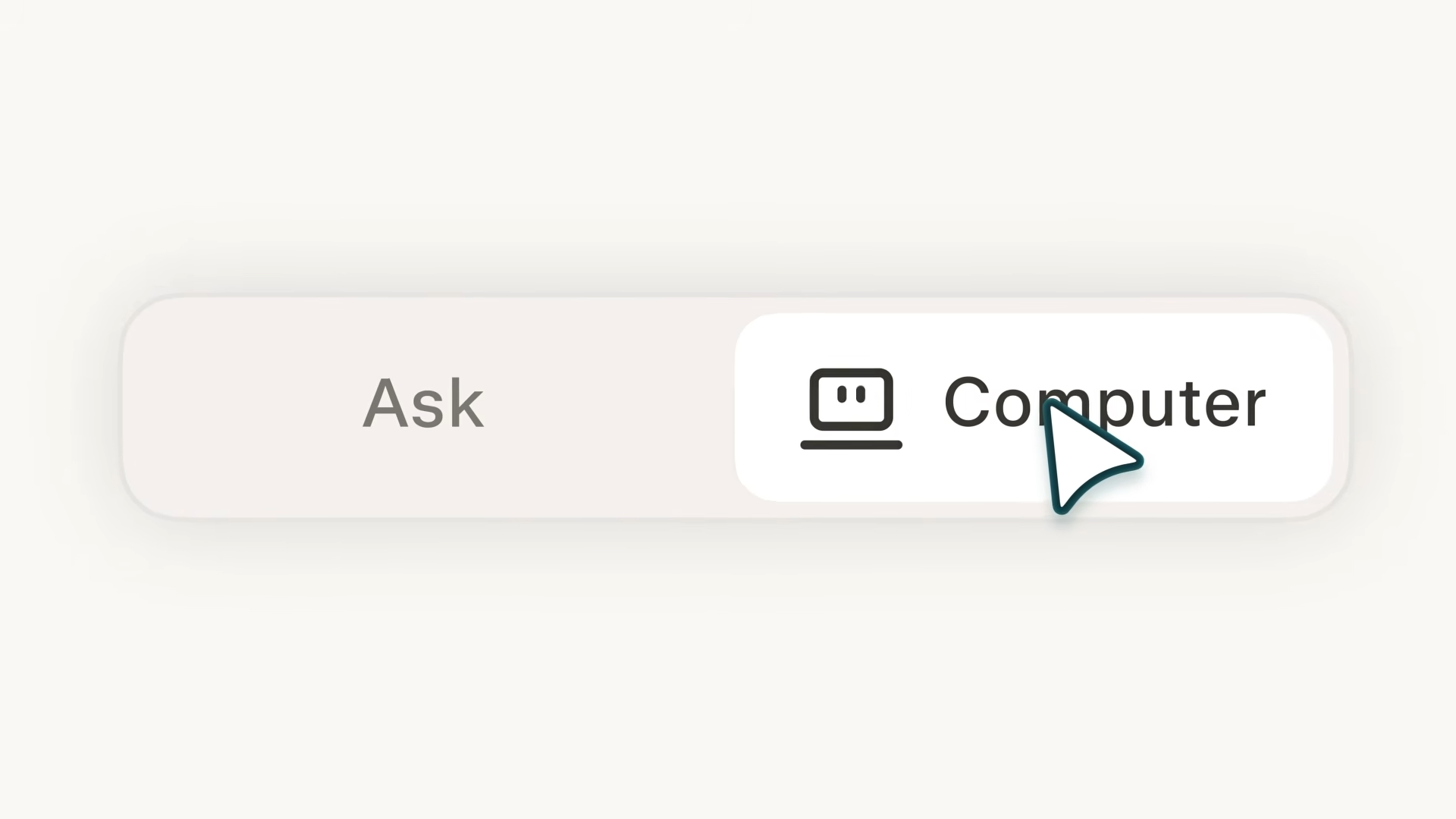
Perplexity, the AI search company that has carved out a significant niche between traditional search engines and chatbots, is making its most ambitious product move yet. The company has launched Perplexity Computer, an agentic workflow system that bundles AI models from multiple rival providers — Anthropic, Google, xAI, and OpenAI — into a single orchestrated platform capable of carrying out complex tasks independently.
Priced at $200 per month, Perplexity Computer positions itself squarely in the premium tier of AI tools, targeting professionals, researchers, and knowledge workers who need more than simple question-and-answer interactions. The system is designed to handle multi-step workflows that would normally require a human to manually coordinate between different tools, services, and information sources.
The Multi-Model Orchestration Approach
What sets Perplexity Computer apart from existing AI agent products is its multi-model architecture. Rather than relying on a single foundation model to handle all tasks, the system routes different parts of a workflow to whichever model is best suited for the job. A coding task might be handled by one provider's model, while a research synthesis step could leverage another's strengths in reasoning or retrieval.
This approach effectively treats individual AI models as specialized workers within a larger team, with Perplexity's orchestration layer acting as the project manager. The company is betting that no single model excels at everything, and that intelligent routing between best-in-class options will produce superior results compared to any one model working alone.
The inclusion of models from direct competitors on a single platform is notable in itself. It suggests that Perplexity views its value proposition as being in the orchestration and workflow layer rather than in any proprietary model capabilities. By being model-agnostic, the company can theoretically always route tasks to the most capable available model, regardless of which lab produced it.

Agentic Capabilities
Perplexity Computer is designed to operate with a high degree of autonomy. Rather than requiring users to break down tasks into individual prompts and manually chain together results, the system can accept a high-level objective and decompose it into subtasks, execute research, synthesize findings, and produce deliverables with minimal human intervention.
The agentic framing is increasingly common across the AI industry, with companies like Anthropic, OpenAI, and Google all pushing toward systems that can take sustained, multi-step actions on behalf of users. However, most existing agent products are tied to a single model ecosystem. Perplexity's cross-provider approach is a distinctive bet that may appeal to users who want the flexibility to leverage different models' strengths without managing multiple subscriptions and interfaces.
The Pricing Question
At $200 per month, Perplexity Computer is significantly more expensive than standard AI subscriptions, which typically range from $20 to $30 monthly for premium chatbot access. The pricing suggests Perplexity is targeting power users and professional workflows where the value of automated multi-step research and task completion justifies a higher cost.
The price point also reflects the underlying economics of multi-model orchestration. Running queries across multiple providers' APIs incurs compounding costs, particularly for complex workflows that may involve dozens of model calls per task. Perplexity is essentially absorbing the complexity of managing multiple API relationships and usage tiers, bundling them into a single predictable subscription.
Whether users will pay a premium for orchestration over using individual model subscriptions directly remains an open question. The answer likely depends on how much time and effort the agentic workflow system genuinely saves compared to manual coordination between different AI tools.
Competitive Landscape and Strategic Implications
Perplexity Computer arrives in an increasingly crowded market for AI agent products. OpenAI has been developing its own agentic capabilities within ChatGPT, Anthropic's Claude can execute multi-step computer use tasks, and Google's Gemini is being integrated across the company's productivity suite for automated workflows.
What Perplexity offers that these providers cannot is neutrality. A company using Claude for coding might prefer Gemini for research synthesis and GPT-5 for creative tasks. Perplexity Computer theoretically allows this mix-and-match approach without vendor lock-in to any single AI ecosystem.
The launch also signals Perplexity's strategic evolution from an AI-powered search engine to a broader platform for AI-augmented work. As the search business faces growing competition from AI features built directly into browsers and operating systems, expanding into workflow automation provides a more defensible revenue stream tied to professional productivity rather than consumer search habits.
For the broader AI industry, Perplexity Computer represents an important experiment in whether the orchestration layer — sitting above individual foundation models — can capture meaningful value. If it succeeds, it could validate a new category of AI middleware that treats models as interchangeable components within larger systems designed for practical work.
This article is based on reporting by The Decoder. Read the original article.
Originally published on the-decoder.com