The Return of Google's Robotics Ambitions
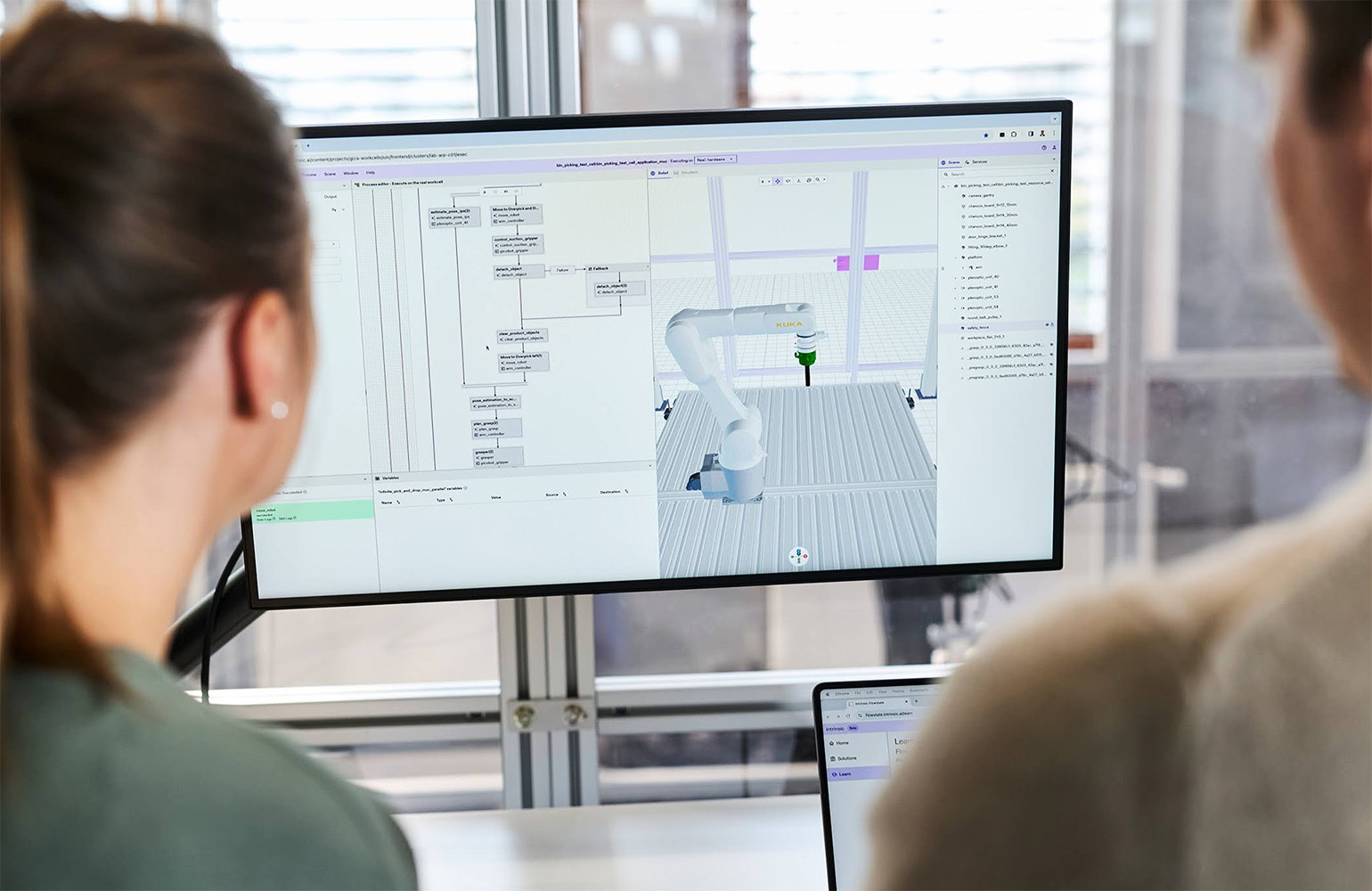
Google is bringing its robotics spinoff Intrinsic back into the fold, reuniting the AI-powered robotics operation with the tech giant's core research and engineering teams. Intrinsic, which was carved out of Alphabet as a separate subsidiary in 2021, will now operate within Google itself, reflecting the parent company's conviction that physical AI — the intersection of artificial intelligence and real-world manipulation — has matured from a speculative research project into a strategic priority.
The reabsorption marks a notable reversal of Alphabet's previous strategy of keeping experimental robotics efforts at arm's length from Google's core business. When Intrinsic was spun out, the move was interpreted as Alphabet hedging its bets — maintaining exposure to robotics without burdening Google's profit-and-loss statement with the costs of a nascent technology. Five years later, the calculus has changed dramatically as advances in AI have made the integration of intelligence with physical systems far more practical and commercially relevant.
What Intrinsic Built
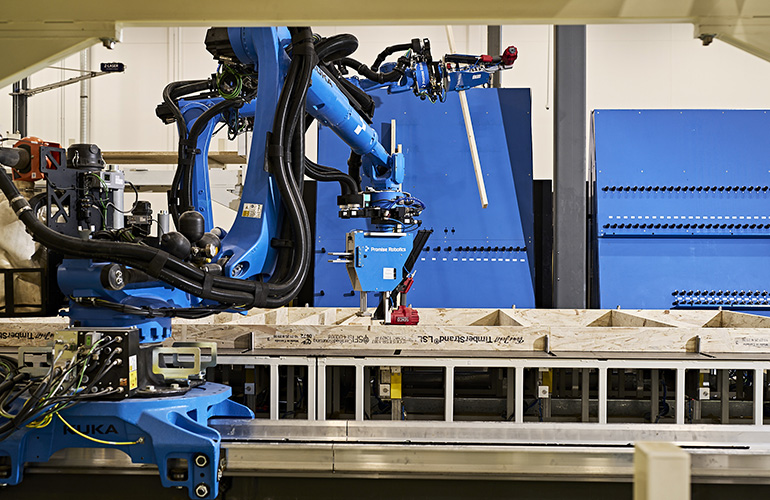
During its time as an Alphabet subsidiary, Intrinsic focused on developing software tools that make industrial robots easier to program, deploy, and adapt. Traditional industrial robotics requires extensive programming by specialized engineers for each specific task — a process that is time-consuming, expensive, and difficult to modify when production needs change. Intrinsic's approach used AI to enable robots to learn tasks more intuitively, adapt to variations in their environment, and handle the kind of unstructured situations that have traditionally required human workers.
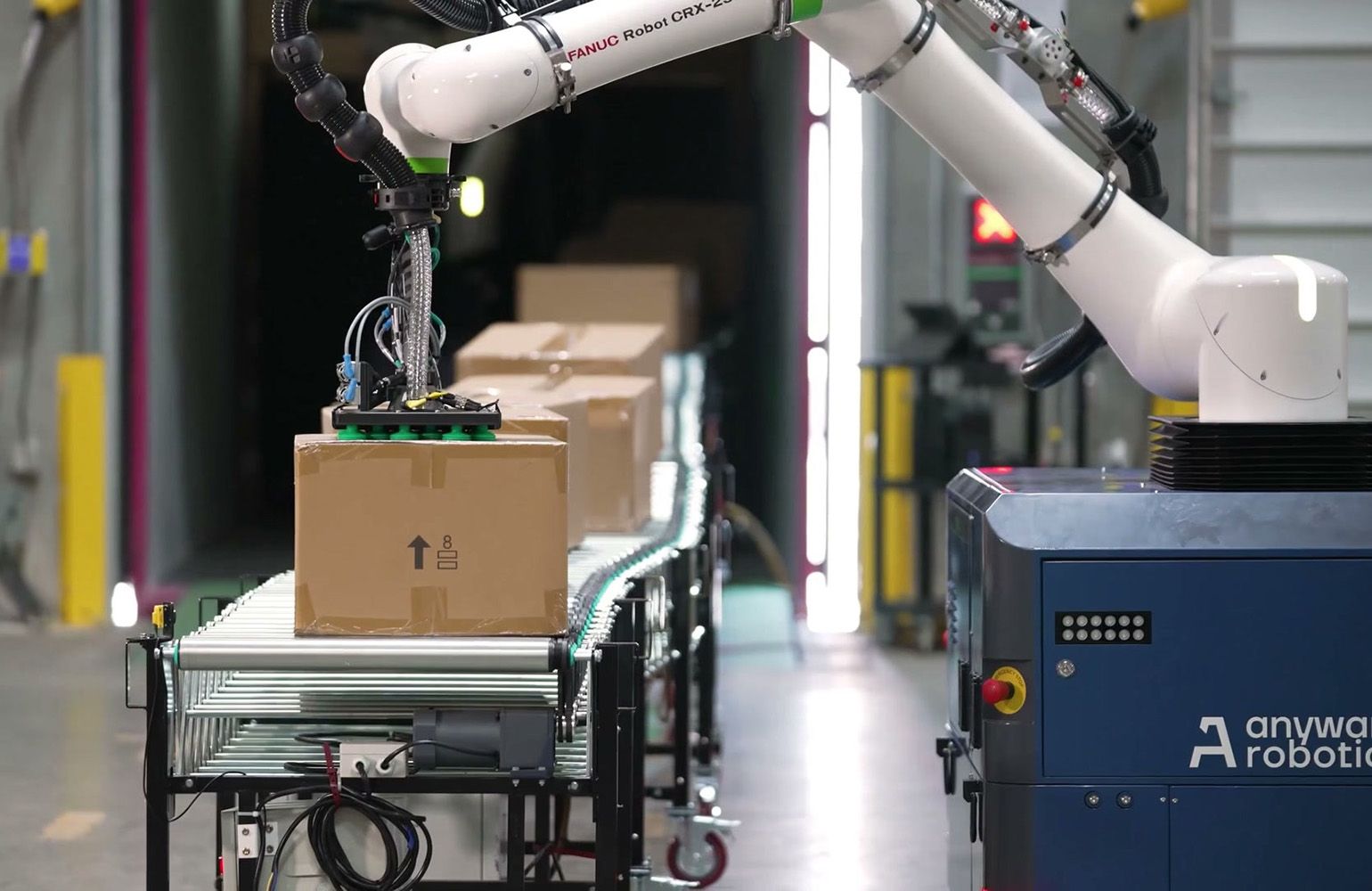
The company worked with manufacturing partners across several industries, applying its technology to tasks ranging from assembly and inspection to material handling and welding. Intrinsic also collaborated with other Alphabet subsidiaries, leveraging Google's advances in computer vision, language models, and reinforcement learning to improve its robotics software platform.
The Physical AI Opportunity
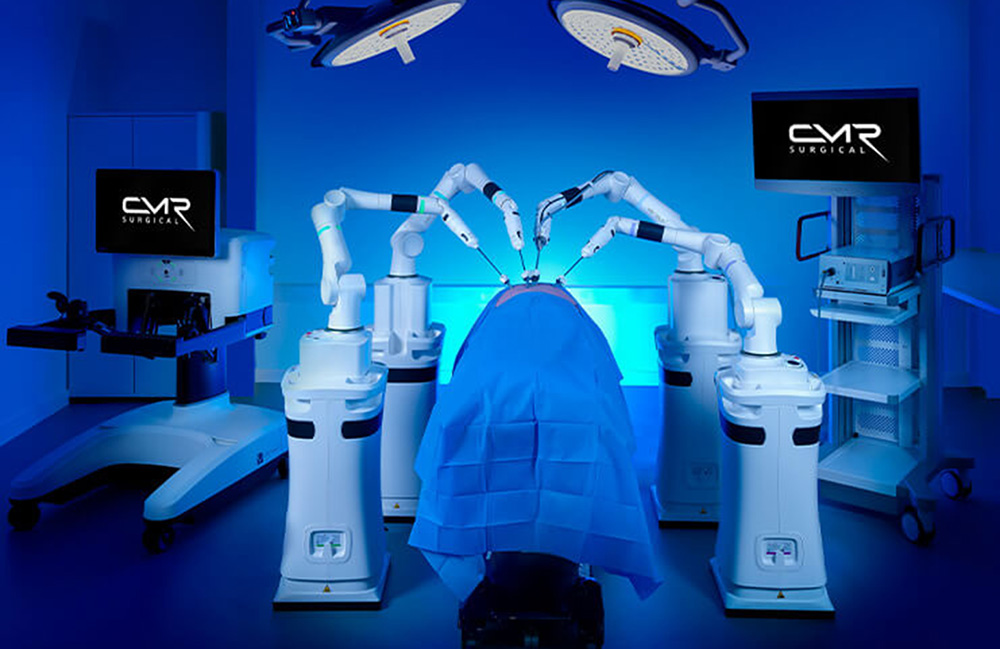
Google's decision to bring Intrinsic in-house coincides with a broader industry recognition that physical AI represents one of the next major frontiers for artificial intelligence. While the past three years have been dominated by advances in language models and generative AI, a growing number of researchers and investors believe that AI systems capable of operating in the physical world — manipulating objects, navigating environments, and interacting with humans — represent an even larger long-term opportunity.
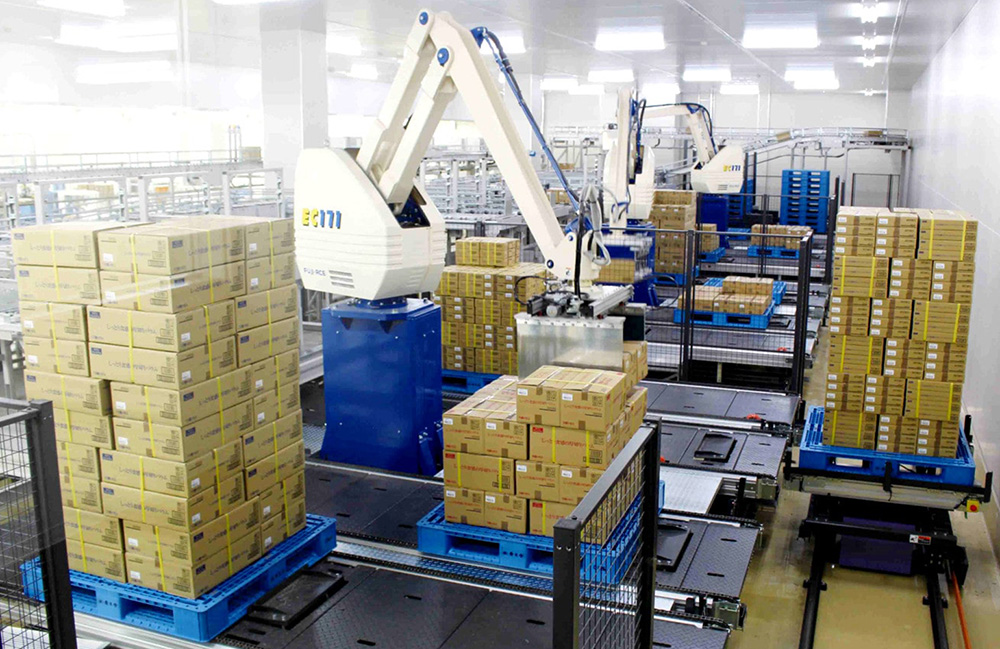
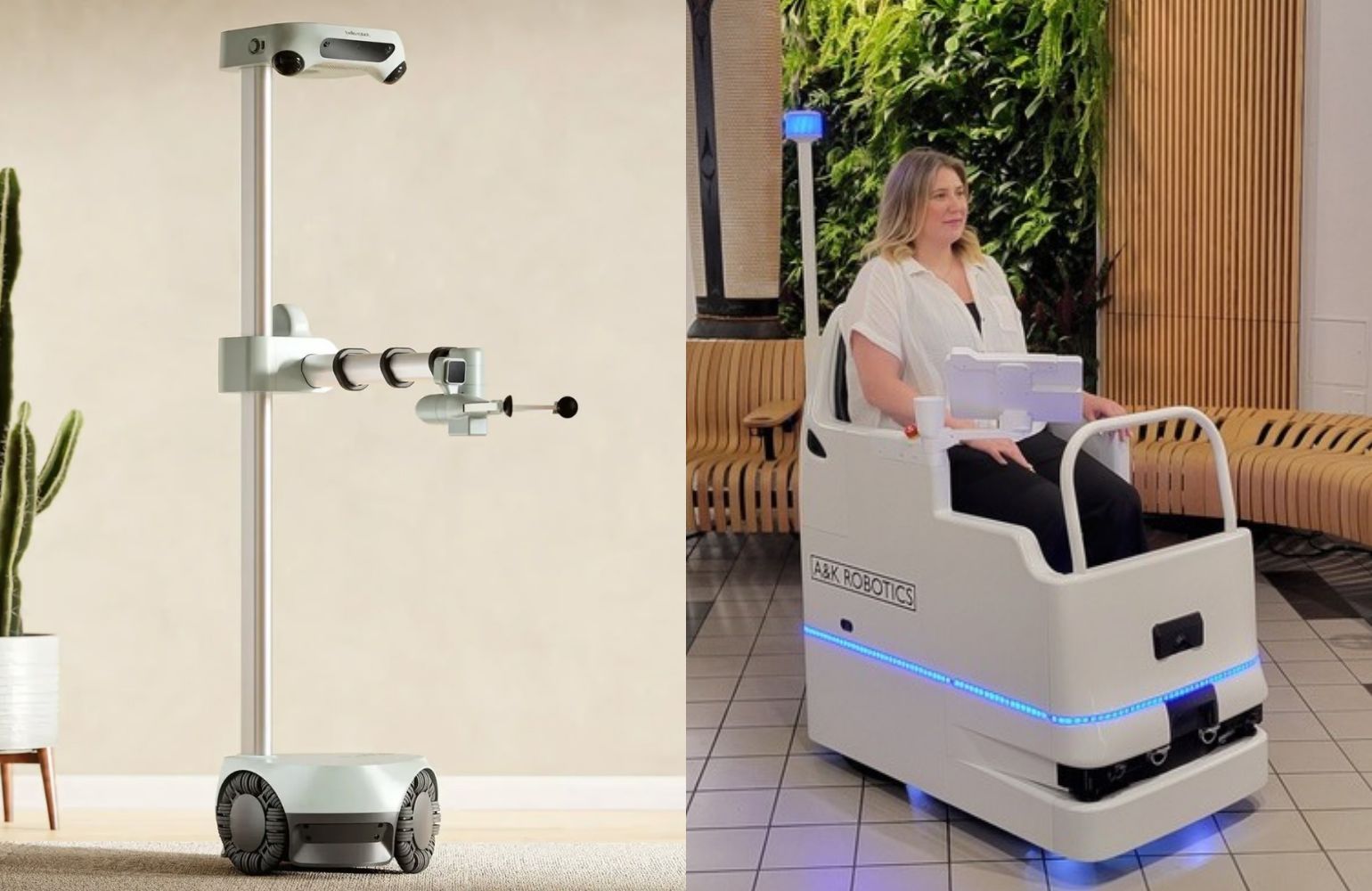
The market for AI-powered robotics is projected to grow substantially over the next decade, driven by labor shortages in manufacturing and logistics, the increasing cost of human workers, and advances in the AI models that enable robots to handle more complex and variable tasks. Companies including Tesla, Nvidia, and a wave of well-funded startups are investing heavily in humanoid robots and other physical AI systems, creating a competitive landscape that Google cannot afford to ignore.
Why Now
Several technical advances have converged to make physical AI more feasible than it was when Intrinsic first spun out. Foundation models — the large neural networks that power chatbots like ChatGPT and Gemini — have demonstrated an unexpected ability to transfer knowledge across domains, including from digital to physical environments. Researchers have shown that robots trained using techniques derived from large language models can generalize to new tasks and environments far more effectively than previous approaches.
Computer vision has also improved dramatically, giving robots much more reliable perception of their surroundings. Combined with advances in simulation — where robots can be trained in virtual environments before being deployed in the real world — these developments have significantly reduced the time and cost required to deploy robotic systems for new applications. The gap between what AI can do on a screen and what it can do in the physical world is narrowing rapidly.
Competitive Positioning
By reabsorbing Intrinsic, Google positions itself to compete more effectively against rivals who are already making aggressive moves in physical AI. Nvidia has developed a comprehensive hardware and software platform for robotics, including its Isaac simulation environment and Jetson embedded computing modules. Tesla's Optimus humanoid robot program, while still in early stages, benefits from the company's massive data collection from its vehicle fleet and its experience with manufacturing at scale.
Google brings unique assets to the competition. Its DeepMind research lab has produced some of the most advanced work in reinforcement learning and multi-modal AI, including the RT-2 model that allows robots to reason about instructions given in natural language. Google's cloud infrastructure provides the computing power needed to train robot AI models at scale. And the company's Gemini family of models offers a potential foundation for building robotic systems that can understand complex instructions and adapt to novel situations.
Integration Challenges and Opportunities
Folding Intrinsic back into Google is not without risks. The subsidiary developed its own culture, engineering practices, and business relationships during its five years of relative independence. Reintegrating those teams into Google's much larger and more bureaucratic organization could slow innovation and create friction. Google's track record with robotics acquisitions has been mixed — the company purchased several robotics companies in the mid-2010s, including Boston Dynamics, only to sell most of them when the technology proved too far from commercial viability.
The difference this time may be timing. AI capabilities have advanced to the point where physical AI applications are no longer purely experimental. The combination of Google's AI research prowess, cloud infrastructure, and Intrinsic's applied robotics expertise creates a platform that could accelerate the development of practical robotic systems for industries ranging from manufacturing to healthcare to logistics. Whether Google can execute on this potential will depend on its ability to maintain Intrinsic's startup agility within the constraints of a trillion-dollar corporation.
This article is based on reporting by The Robot Report. Read the original article.
Originally published on therobotreport.com