A Second Wave of Physical AI Investment
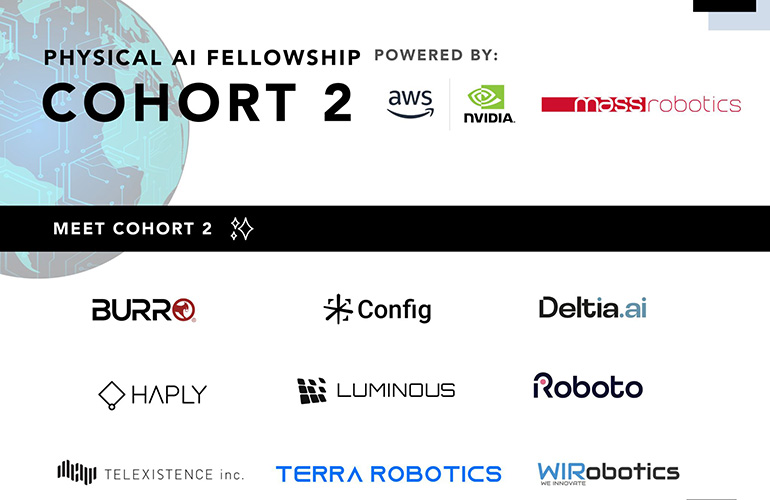
MassRobotics, the Boston-based robotics and automation innovation hub, has joined with technology giants NVIDIA and Amazon Web Services to announce the second cohort of their Physical AI Fellowship Program. Nine startup companies have been selected to receive mentorship, technical resources, and access to NVIDIA's AI computing platforms and AWS's cloud infrastructure as they develop products at the intersection of artificial intelligence and physical systems—robots, autonomous vehicles, smart manufacturing tools, and related technologies.
The fellowship represents a coordinated effort by two of the most influential companies in AI infrastructure—NVIDIA, which dominates AI chip supply, and AWS, which provides much of the cloud computing that powers AI training and inference—to cultivate the ecosystem of companies building AI-powered physical systems that will ultimately consume their products and services.
What Is Physical AI?
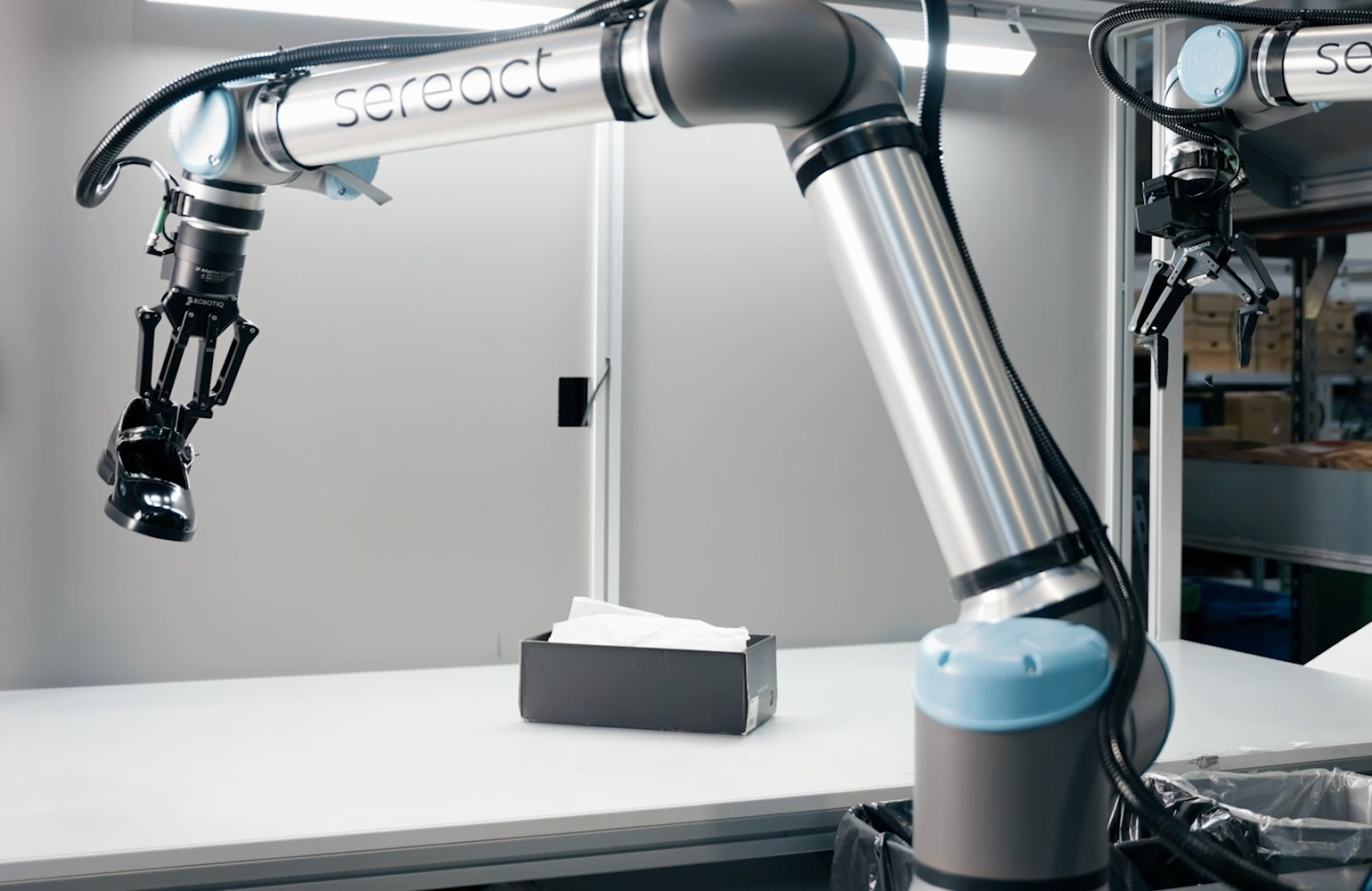
Physical AI refers to artificial intelligence systems that perceive and interact with the physical world rather than operating purely in software environments. The category includes industrial robots that use computer vision and machine learning to handle novel objects and environments, autonomous vehicles and drones, inspection and monitoring systems that process sensor data to detect anomalies, and collaborative robots that work alongside human workers in shared spaces.
The term has gained prominence in the past two years as foundation models—the large neural networks underlying systems like GPT and Claude—have begun to be applied to physical robotics problems. Models trained on large datasets of robot manipulation, human demonstrations, and synthetic data are enabling robots to generalize across tasks in ways that rule-based programming cannot achieve, driving a step change in robotic capability that has attracted substantial investment attention.
The Nine Selected Startups
MassRobotics, NVIDIA, and AWS named nine companies to the second Physical AI Fellowship cohort based on the strength of their technology and the potential commercial impact of their work. The selected companies span multiple physical AI applications including manufacturing automation, agricultural robotics, healthcare assistants, and inspection systems for infrastructure and energy facilities.
Each fellowship company will receive access to NVIDIA's computing platforms—including GPU resources for training and deploying AI models—and AWS cloud services, reducing one of the primary capital costs for early-stage AI companies. Mentorship from MassRobotics's industry network and technical guidance from NVIDIA and AWS engineers provide additional support that is difficult to replicate outside of structured programs like this.
The Physical AI Funding Landscape
Investment in physical AI and robotics has accelerated significantly over the past two years. Several categories have attracted particular attention: humanoid robots, which promise general-purpose physical labor in environments designed for humans; agricultural robots, which address labor shortages in food production; and manufacturing automation, which is seen as the primary application of physical AI at scale in the near term.
Companies like Figure AI, Physical Intelligence, and Boston Dynamics have attracted billion-dollar valuations based on their progress in developing physical AI systems. The fellowship program targets earlier-stage companies, many of which may eventually be acquired by larger players seeking to accelerate their physical AI capabilities through technology rather than organic development.
NVIDIA's Physical AI Strategy
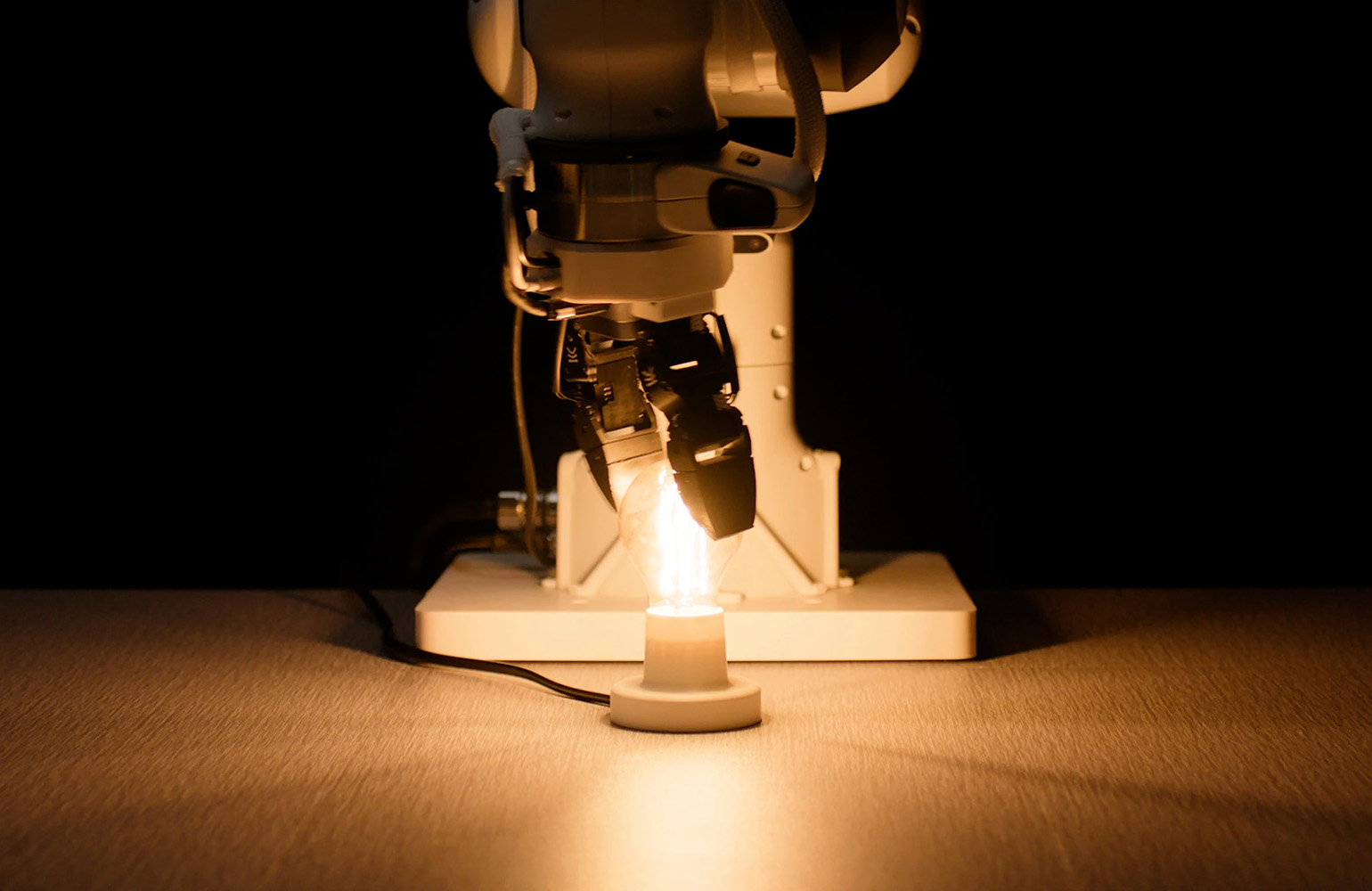
NVIDIA has made physical AI a central element of its strategic narrative as it seeks to demonstrate that its growth is not solely dependent on large language model training—a market that may eventually consolidate around fewer, larger models. The company's Isaac platform, designed for training and deploying AI models in robotic systems, and its Omniverse simulation environment, which allows physical AI systems to be trained and tested in photorealistic simulated environments before deployment in the real world, position NVIDIA as the computing infrastructure for a physical AI era.
The fellowship program serves NVIDIA's interests by supporting the startup ecosystem that will build on and ultimately purchase its platforms. Early-stage companies that learn to build on NVIDIA's tools are more likely to continue using them as they scale, creating a customer acquisition pipeline that begins at the earliest stages of company formation.
AWS's Role in Robotics and Automation
AWS has built a portfolio of robotics-oriented cloud services under the RoboMaker and AWS IoT Greengrass brands, targeting the connectivity, data management, and edge inference needs of deployed robotic systems. Physical AI systems generate enormous volumes of sensor data that must be processed, stored, and used to continuously improve AI model performance—all of which creates natural demand for cloud infrastructure.
By co-sponsoring the fellowship, AWS gets early relationships with the companies that will eventually become significant consumers of cloud services as their physical AI deployments scale. It also gains insight into what the next generation of robotics and automation companies needs from cloud infrastructure, informing its product roadmap for robotics-specific services.
MassRobotics as Convener
MassRobotics plays a distinctive role in the partnership as an industry convener with deep roots in the Boston robotics cluster—one of the most productive concentrations of robotics talent in the world, anchored by MIT, Northeastern, and a dense ecosystem of startups and established companies. The organization provides physical space, shared resources, and a network of industry contacts that are valuable to early-stage companies navigating their first commercial relationships.
This article is based on reporting by The Robot Report. Read the original article.
Originally published on therobotreport.com