Google is pushing AI video creation deeper into everyday office software
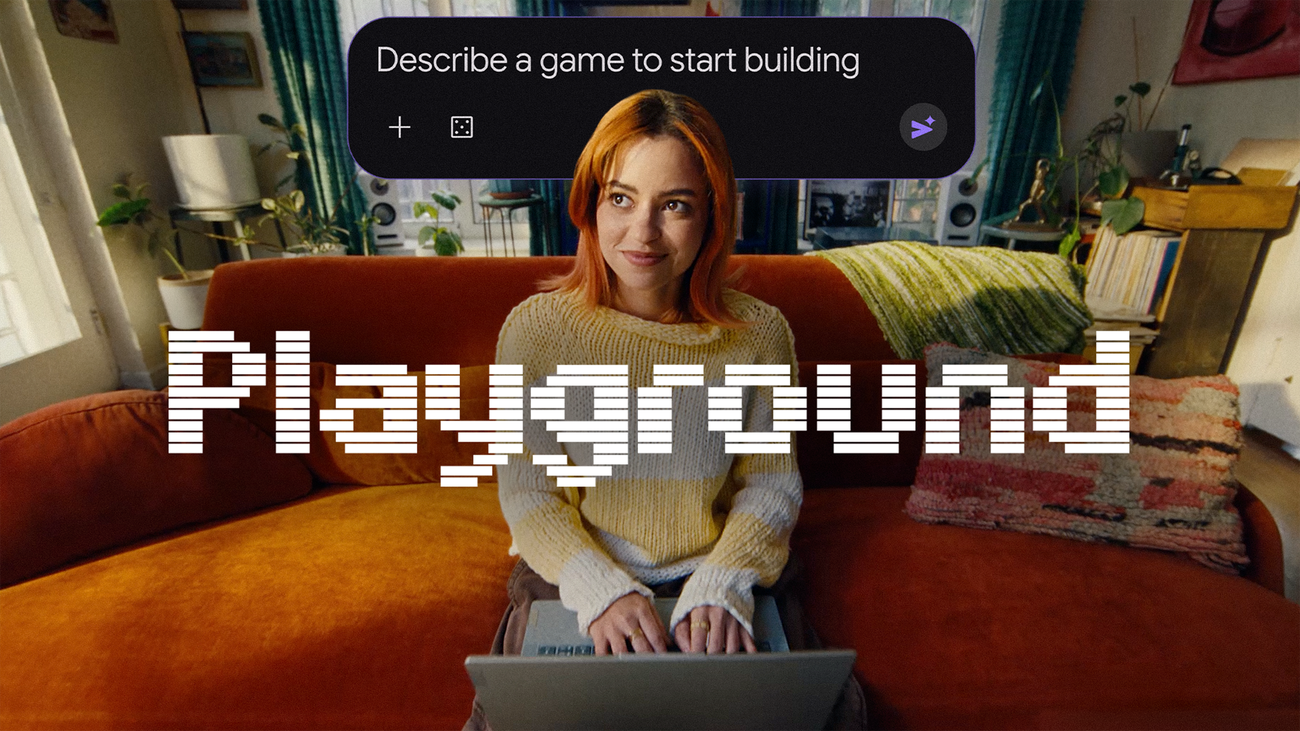
Google has announced two new AI features for Google Vids, its Workspace video tool: Gemini Omni for prompt-based video generation and editing, and personal avatars that let users create a digital stand-in from a selfie and a voice recording. The update signals where one of the biggest platform companies sees the next phase of generative media going: not only in specialist creative tools, but inside routine workplace communication products.
That shift matters. Much of the early consumer excitement around generative video centered on flashy short demos, model capability races and standalone creative workflows. Google’s Vids update is aimed somewhere more practical. It frames AI video as office infrastructure, a way to make internal explainers, presentations and message-driven clips faster and with less production setup.
According to Google’s post, Gemini Omni lets users generate and edit high-quality clips using simple text prompts and image references. The company says people can make changes such as swapping backgrounds or fixing lighting just by describing the desired result. Personal avatars, meanwhile, are designed for users who want to appear in a video without having to record themselves every time. The setup uses a selfie and a voice sample to create a digital presenter.
Why this is more consequential than a feature drop
On the surface, these additions look like one more product refresh in the crowded market for AI media tools. But their placement inside Google Workspace is what gives them strategic weight. Workspace is not a niche creative suite. It is part of how many organizations already write, present, plan and collaborate. When video generation and avatar-based presentation move into that environment, they become easier to normalize as standard business behavior.
The practical appeal is obvious. Many workplace videos are constrained less by ideas than by time, editing skill and comfort on camera. A prompt-driven system lowers the barrier to clip creation. An avatar lowers the barrier to appearing in the clip at all. For training, updates, onboarding and internal announcements, that can significantly reduce friction.
Google is also emphasizing that these tools are not limited to raw generation. The ability to refine an existing clip by describing changes in natural language is central to the pitch. That suggests Google is trying to merge production and post-production into one conversational workflow, which is likely more useful to general office users than a purely cinematic generation demo.
Transparency is becoming part of the product story
One of the most important details in the source text is that every AI-generated clip includes a digital watermark. Google presents this as a transparency mechanism to keep AI-made content “transparent and honest.” That wording matters because avatar and video-generation tools sit close to several sensitive lines: authenticity, consent, identity and the risk of misleading viewers.
By foregrounding watermarking, Google is acknowledging that convenience alone is not enough. If a platform makes it easy to generate a convincing message or synthetic on-camera appearance, it also has to show how that content will be marked. Whether watermarking is sufficient in practice is a separate debate, but its inclusion here shows that provenance is becoming part of mainstream product design, not just a policy talking point.
The personal avatar feature is especially revealing in that respect. Corporate users may embrace the ability to deliver repeated updates without constant recording, but avatar tools also intensify questions around representation and trust. Google’s framing is tightly work-oriented: create a custom digital avatar to star in your videos when you do not want to set up a camera or record every message. That narrows the use case, though it does not eliminate the broader ethical questions attached to synthetic identity.
The bigger picture for generative media
These updates show how quickly generative video is moving from frontier model showcase to embedded utility. Google notes that Vids users have already created millions of videos and that earlier updates included broader access to Veo 3.1. Gemini Omni now extends that trajectory by making generation and editing feel closer to everyday prompting. If successful, the feature could help define what non-specialist video production looks like inside large office ecosystems.
There is also a subtle but important market signal here. The winning AI media products may not be the ones with the most cinematic outputs in isolation. They may be the ones that best fit the places where people already work. In that sense, Google is betting on distribution and workflow integration as much as model capability.
Eligibility caveats remain, and the source text tells users to check whether the tools are available to them. Even so, the direction is clear. AI video creation is being packaged less as an exceptional creative event and more as a routine feature of business communication software.
Key takeaways
- Google Vids now includes Gemini Omni for prompt-based video generation and editing.
- Users can also create personal avatars from a selfie and voice recording.
- Google says every AI-generated clip will include a digital watermark.
- The update pushes generative video deeper into everyday Workspace workflows.
The most important part of this launch is not the novelty of typing a prompt to make or edit a clip. It is the normalization of that behavior inside tools already used for work. As generative media moves into workplace defaults, the line between communication software and content-production software is getting much thinner.
This article is based on reporting by Google AI Blog. Read the original article.
Originally published on blog.google