The Race for Startup Loyalty Heats Up
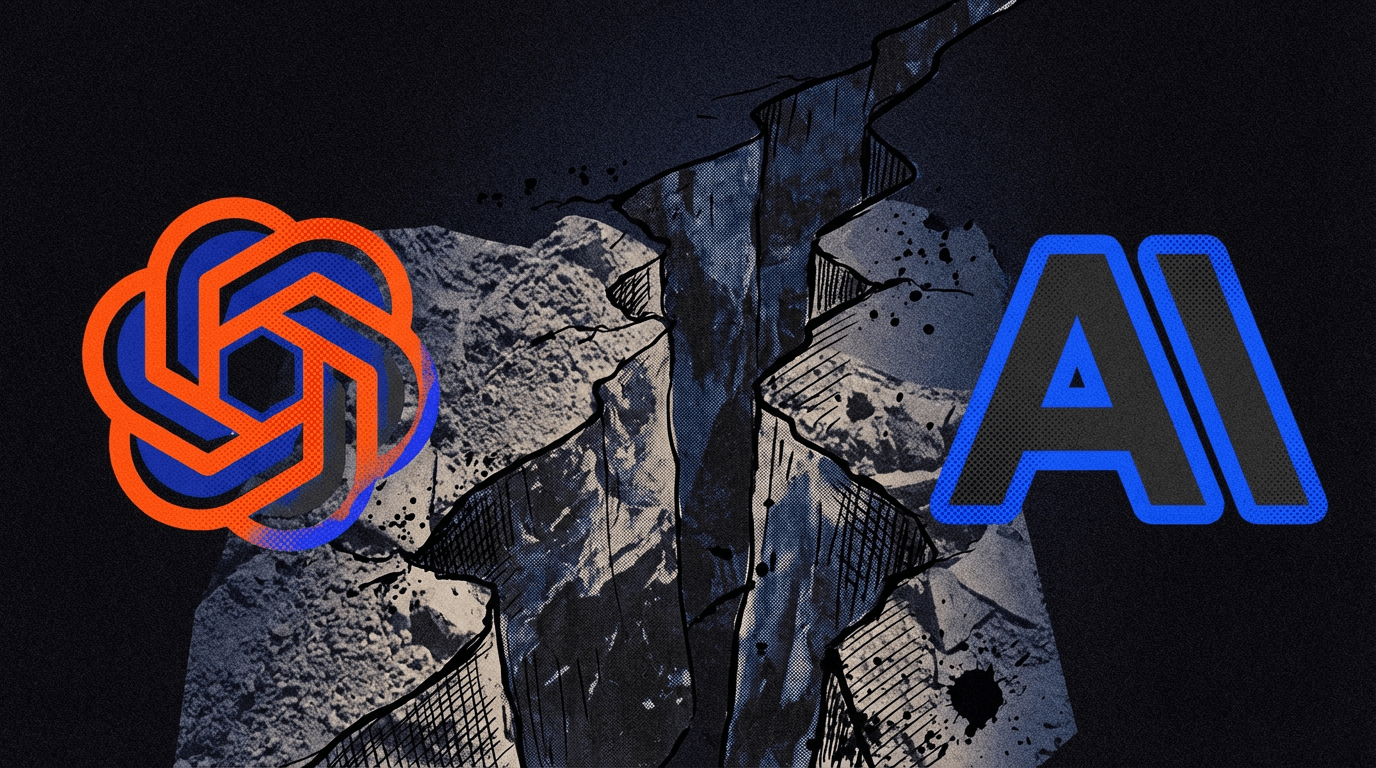
OpenAI, Anthropic, and major cloud providers are engaging in an escalating battle to attract startups by offering free compute and token credits worth millions of dollars. According to a Wall Street Journal report, some individual offers exceed $3 million in cloud computing and token credits — roughly the size of an average U.S. seed round, according to PitchBook data. This aggressive strategy aims to pull young companies into each provider's ecosystem early and make their tools indispensable.
Hans Ibarra, founder of AI voice startup Dialogus, confirmed receiving competing offers that in some cases added up to more than $3 million. Cursor, the AI coding firm acquired by SpaceX, offered a 75 percent discount through July 5. Cloud providers are also joining the fray: a Google Cloud spokesperson stated that the company offers up to $500,000 in credits, early access to Gemini models, and occasional access to DeepMind engineers. Microsoft and Amazon Web Services provide similar perks.
IPO Pressures and Competitive Threats
These generous offers come at a time when OpenAI and Anthropic need to improve their margins ahead of expected IPOs. Simultaneously, competition is intensifying from open-source and cheaper models, many originating from China. Anthropic's revenue surged late last year thanks to Claude Code and Cowork, while OpenAI reportedly didn't catch up until it released GPT-5.4 in March and is now actively selling its Codex tool to startups.
The discount war underscores the high stakes in the AI industry, where locking in customers early can create long-term dependencies. For startups, these credits can significantly reduce initial costs, but they also risk becoming tied to a single provider's platform.
Y Combinator Startups in High Demand
Y Combinator companies are particularly sought after. In May, Sam Altman announced $2 million in token credits in exchange for equity stakes. Anthropic countered with $500,000 and no equity requirement — a substantial increase from its previous $30,000 offer. OpenAI then matched with $500,000 with no equity, plus an optional $1.5 million in exchange for shares. With four cohorts per year of roughly 200 companies each, the two firms could collectively hand out up to $800 million in credits annually.
This competition is reshaping the startup landscape, providing unprecedented access to computational resources but also raising questions about long-term vendor lock-in and the true cost of these seemingly free offers.
This article is based on reporting by The Decoder. Read the original article.
Originally published on the-decoder.com