From Search Box to Creative Workspace
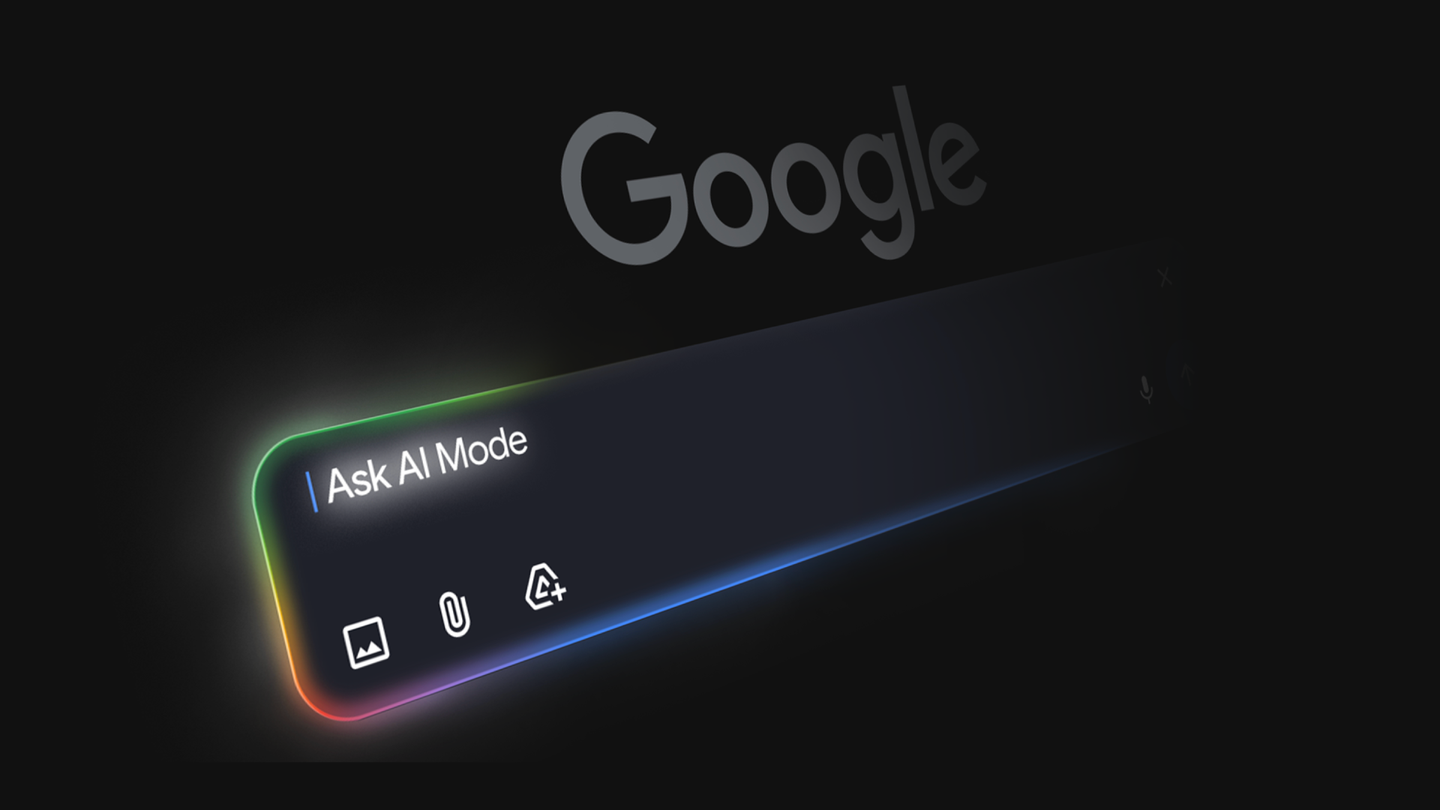
Google has expanded Canvas in AI Mode to all users in the United States, transforming what was a limited experimental feature into a broadly available tool that allows anyone using Google Search to move from asking a question to drafting documents, building interactive tools, and creating content — all within the search interface itself.
The expansion represents a meaningful evolution in how Google is positioning AI Mode, the AI-powered search experience it introduced to compete with conversational AI tools. Where early versions focused primarily on delivering comprehensive answers to factual queries, Canvas extends the system's capabilities into creation and production — allowing users to do things with the information they find, rather than simply receive it.
What Canvas Can Do
Canvas in AI Mode enables users to generate written documents directly within the search interface. A query that previously would have returned links and an AI overview can now transition into a collaborative drafting session — writing emails, reports, summaries, or long-form content based on information gathered during the search process.
The tool also supports creating interactive elements: forms, calculators, quizzes, and simple applications built from natural language prompts. A user researching home renovation costs could ask the system to build a cost estimator based on the parameters they've been discussing, and Canvas would generate a functional interactive tool rather than a static list of numbers.
This capability extends competitive pressure on productivity tools, document editors, and code-generation platforms. Google's advantage is delivering these capabilities within the search context where users already spend significant time, reducing the friction of switching between research and creation tools.

The Architecture Behind the Feature
AI Mode uses what Google calls a "query fan-out" approach to handle complex questions — generating multiple related sub-queries, running them in parallel, and synthesizing results into a coherent response. Canvas builds on this foundation by maintaining context across a session's multiple turns. Where standard search treats each query as independent, Canvas creates a persistent workspace where documents and tools remain in context throughout the session.
Competitive Dynamics in AI Search
Google's Canvas rollout comes as the AI search market has grown significantly more competitive. Microsoft's Bing-OpenAI integration, Perplexity's emergence as a dedicated AI search platform, and Anthropic's continued development of Claude as a research tool have attracted users who want AI assistance beyond simple factual retrieval.
Google's response leverages its dominant distribution position: AI Mode and Canvas are available to users who are already in Google Search — used by billions daily — rather than requiring navigation to a separate application. That distribution advantage has historically proven decisive in consumer software markets. The expansion to all US users also signals that Google has sufficient confidence in Canvas's capabilities and infrastructure to scale it beyond controlled test conditions, making the capability available to anyone in the US who wants to try it.
This article is based on reporting by Google AI Blog. Read the original article.

Originally published on blog.google