A compact drivetrain aimed at warehouse and conveyor constraints
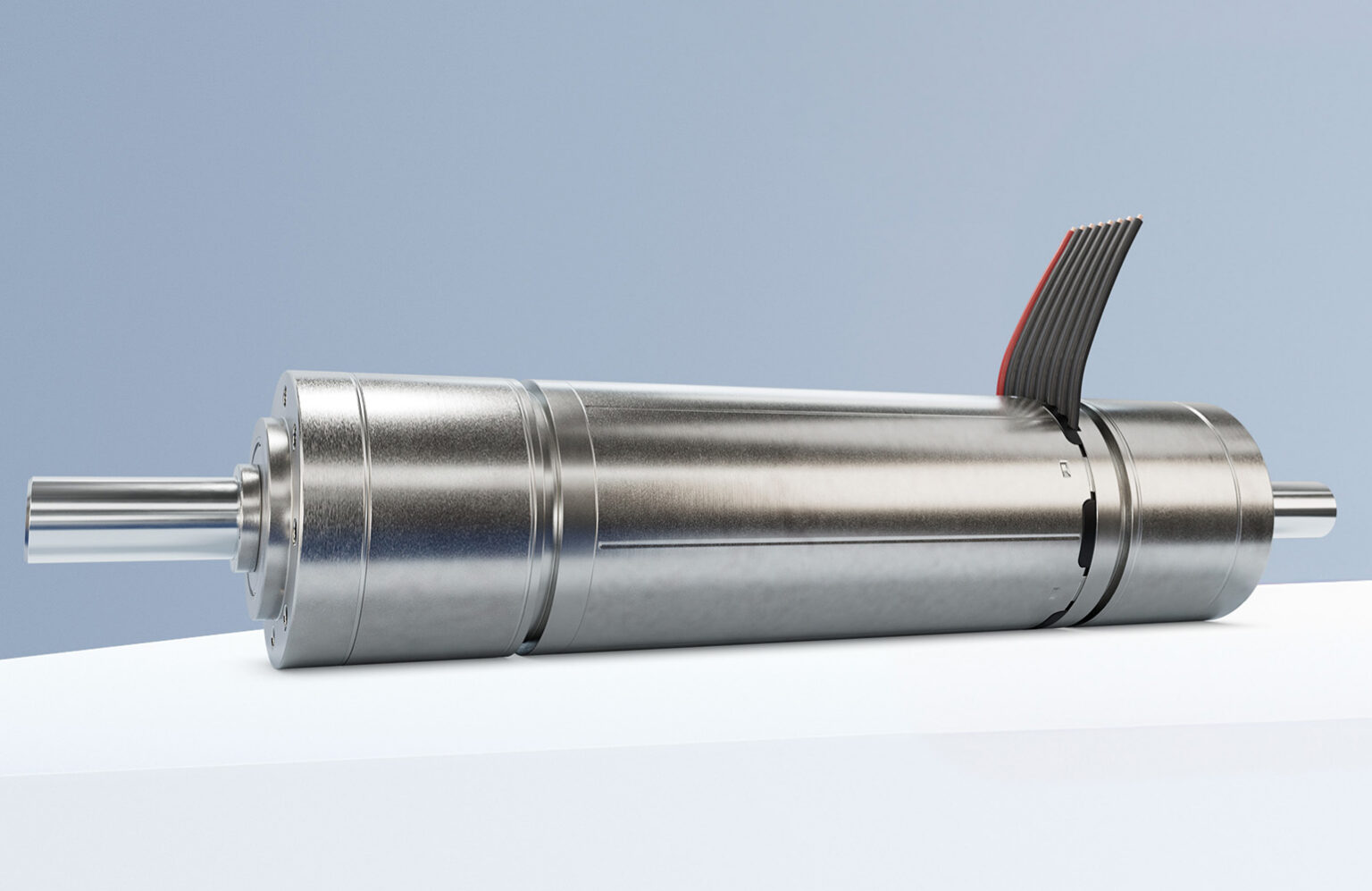
FAULHABER has introduced a new drive system called DualGear, designed for conveyor belts and compact wheel drives in autonomous logistics systems. According to the source material, the product is meant for applications where installation space is limited but performance, durability, and precise control remain essential.
That positioning reflects the real constraints of modern intralogistics. Warehouses, fulfillment centers, and automated material-handling environments are demanding more motion control in tighter footprints. As robotic systems multiply, small improvements in integration and packaging can matter as much as raw component performance.
Two synchronous movements from one drive
The central claim behind DualGear is that it can deliver two synchronous movements with one drive. FAULHABER says that design cuts integration effort while reducing installation space and system costs. In environments where designers are balancing throughput, maintenance access, and compact vehicle geometry, that proposition is straightforward and commercially appealing.
The source describes the unit as a combination of a 32 mm brushless motor from FAULHABER’s BX4 family and metal planetary gearheads from the GPT series mounted at both ends of the motor. The base motor is available in 42 mm and 68 mm lengths, allowing adaptation to different performance and packaging requirements.
Those details matter because automation buyers are not only selecting power density. They are evaluating how easily a component drops into a larger machine architecture. A drive system that consolidates motion functions can simplify design choices for OEMs building compact autonomous platforms or dense conveyor modules.

Precision remains a selling point
FAULHABER also emphasizes control accuracy. The source says hall sensors with sine/cosine output signals enable precise rotor-position detection for commutation and positioning. Paired with an external motion controller, that arrangement supports accurate positioning movement in a compact package.
That focus on precision is important for logistics automation because many warehouse tasks now require more than continuous rolling motion. Sorting, handoff alignment, docking, and coordinated conveyor behavior all benefit from predictable and repeatable positioning. A compact drive that can offer torque and accuracy simultaneously fits the direction of travel in industrial automation, where even small mobile and embedded systems are being asked to behave more intelligently.
The system’s modularity also appears to be part of the appeal. GPT planetary gearheads can be configured with up to three stages, according to the source, allowing speed and torque to be dimensioned more exactly. That sort of configurability is typical of serious industrial components, but it remains a crucial differentiator in robotics markets where one standardized solution often fails to fit diverse deployment profiles.
Why a component launch still matters in robotics coverage
At first glance, a drivetrain release may look narrower than a software or humanoid robotics headline. But warehouse automation does not run on headlines alone. It runs on components that survive long duty cycles, fit inside constrained mechanical envelopes, and reduce total system complexity. Products like DualGear sit in that layer of the stack.
The source also notes that the components are connected only with welded joints rather than adhesives, a design choice the company says improves reliability and durability. That detail points to the real operating conditions these systems face. In logistics environments, uptime matters more than novelty. Components are judged by how long they can operate with predictable performance and manageable maintenance demands.
For robotics and autonomous logistics, that matters because deployment scale increasingly depends on engineering maturity rather than proof-of-concept excitement. A robot fleet is only as useful as the reliability of its motion systems, sensors, controllers, and power components. Suppliers that can shave space, reduce assembly effort, and maintain precision gain leverage as automation programs move from pilots to infrastructure.

An indicator of where logistics automation is heading
DualGear is therefore best understood not as a dramatic standalone breakthrough, but as an indicator of system-level priorities in industrial robotics. Designers want compactness, flexibility, accuracy, and fewer parts to integrate. They also want components tailored to real warehouse constraints rather than generic motor catalog offerings.
As autonomous logistics expands, more of the competitive edge may come from these enabling subsystems. The industry’s public narrative often centers on the robots people can see. The quieter race is in the components that make those machines smaller, cheaper, and more dependable.
This article is based on reporting by The Robot Report. Read the original article.
Originally published on therobotreport.com