A swift verdict in a closely watched AI case
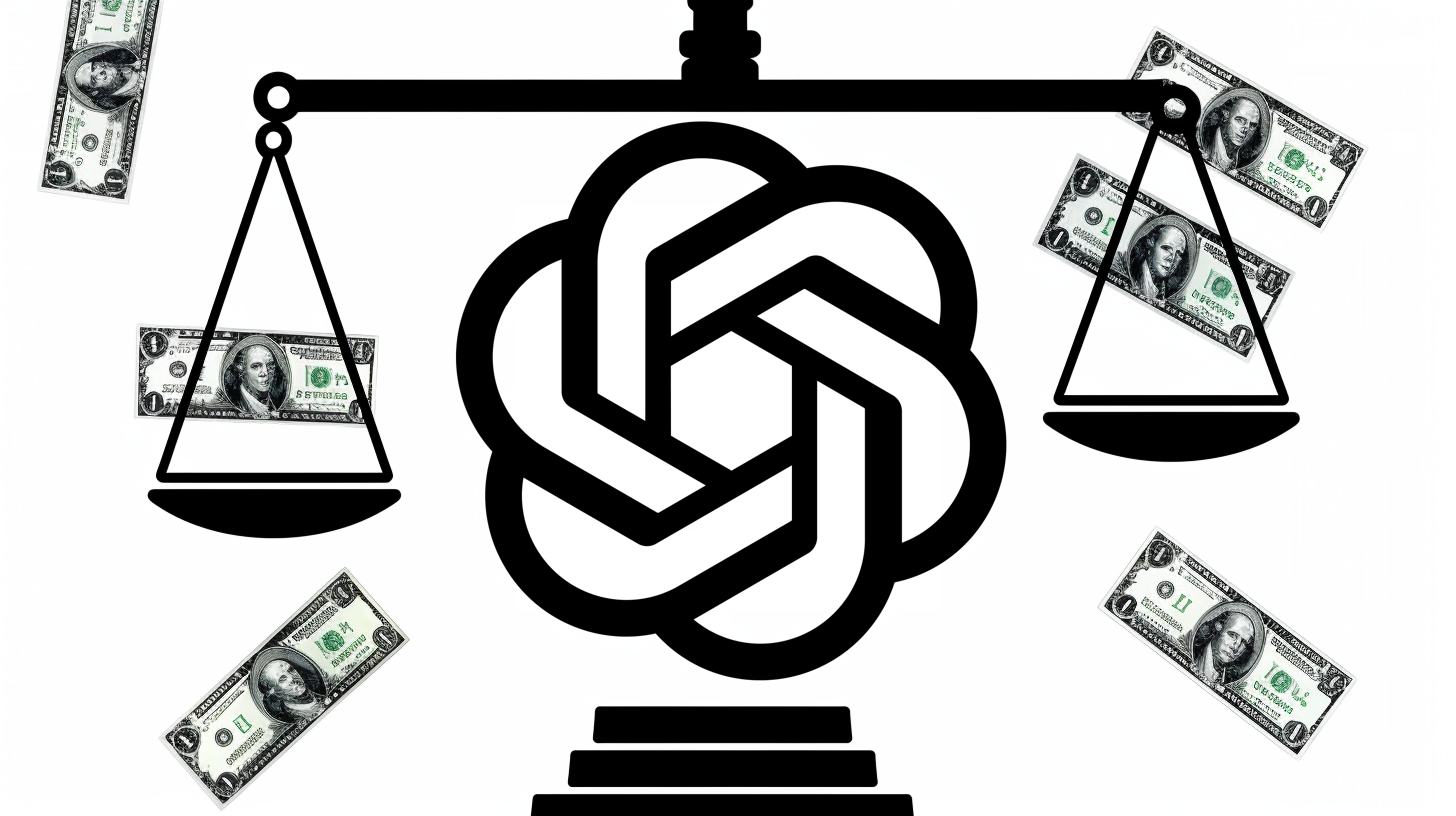
Elon Musk has lost his lawsuit against OpenAI, Sam Altman, Greg Brockman, and Microsoft after a California jury rejected his claims following roughly two hours of deliberation. The decision, later upheld by Judge Yvonne Gonzalez Rogers, removes one of the biggest legal threats hanging over OpenAI as it continues to scale.
Musk had argued that OpenAI broke its founding promise to remain a nonprofit organization and sought damages that reports put as high as $134 billion. He also sought leadership changes at the company. But the jury sided with the defendants, and the judge said there was substantial evidence supporting that outcome.
Why the case failed
According to the reporting cited in the supplied material, the lawsuit turned on timing as much as substance. OpenAI argued that Musk had brought his claims too late, and jurors accepted that position. In other words, the case did not end with a dramatic finding about the future of AI governance. It ended because the legal window for the claims was found to have closed.
That still matters enormously for the AI industry. OpenAI faced the possibility that a successful lawsuit could disrupt its structure or intensify pressure on its partnership model. Instead, the verdict largely clears that immediate risk.

A battle over origin stories
Musk sued in 2024, arguing that OpenAI’s evolution into a company with a for-profit arm violated the spirit of its founding. OpenAI’s defense pointed to evidence that Musk himself had once supported a for-profit structure if he retained control. That argument appears to have resonated with the jury.
The case became one of the most visible clashes over who gets to define an AI lab’s mission after it succeeds at scale. For critics of OpenAI, the lawsuit represented a chance to challenge the gap between early rhetoric and later commercialization. For OpenAI, it was a test of whether that debate could be converted into legal liability. The company won decisively on that question in this round.
What the ruling changes
The verdict does not settle every public argument around OpenAI’s governance, its relationship with Microsoft, or the role of nonprofit language in AI development. But it does give the company a sharper degree of legal stability. The Decoder reported that the case against Microsoft was also dismissed, and TechCrunch noted that a possible restructuring threat is now off the table.
That is likely to be the most immediate market takeaway. A company already central to the global AI race has emerged from a high-profile trial without the court imposing a structural remedy or opening a new damages fight.
The dispute is not fully over
Musk’s legal team reserved the right to appeal. That means the broader conflict between Musk and OpenAI may continue in some form, even if the most dramatic version of the case ended quickly in Oakland.
Still, the speed of the jury’s deliberation carries its own message. After weeks of testimony and deep interest from the tech world, the final judgment was blunt. The court found enough evidence to reject the claims without hesitation, giving OpenAI a legal win at a moment when the company’s influence and scrutiny are both still rising.
This article is based on reporting by The Decoder. Read the original article.
Originally published on the-decoder.com