China is loosening access, but only in narrow lanes
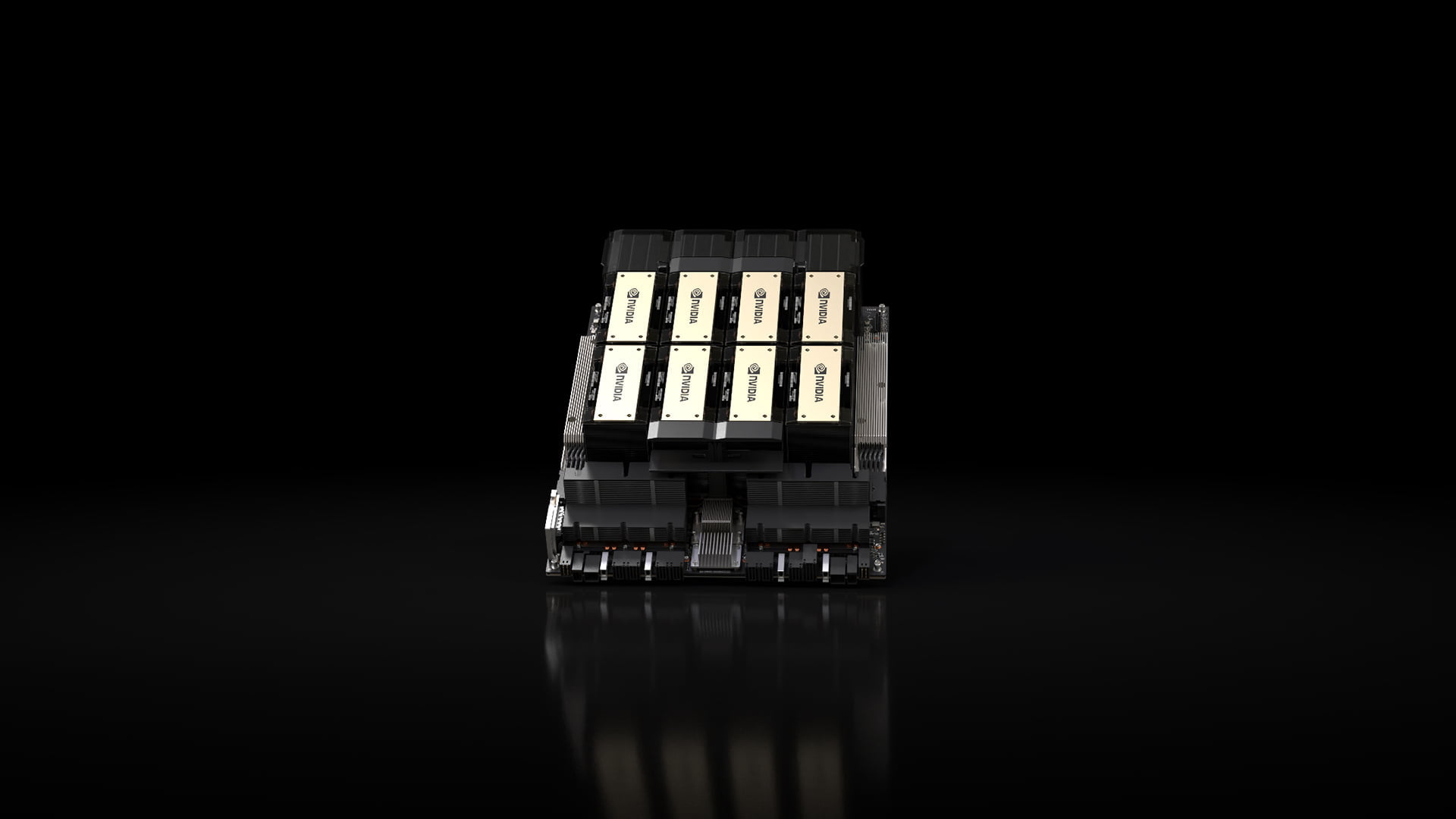
China is allowing small batches of Nvidia H200 AI chips onto the mainland in a move aimed at helping domestic AI companies keep pace with US rivals, according to a report summarized by The Decoder on August 19, 2026. The change does not amount to open access to Nvidia’s latest hardware. Instead, it creates a limited channel for a processor that is already at least two generations behind the company’s most powerful products.
That distinction is the core of the story. China appears to be seeking a balance between two priorities that do not fit neatly together. One is the need to give local AI developers more inference and training capacity as demand rises. The other is Beijing’s interest in supporting Chinese hardware makers such as Huawei rather than letting foreign chips dominate the domestic market.
The result, based on the supplied source text, is a controlled trickle rather than a broad reopening.
Who is getting chips, and how many
The Decoder, citing the Financial Times, says ByteDance and Tencent each received around 10,000 Nvidia H200 processors, with additional companies potentially able to follow. That figure is large enough to matter operationally for AI companies that need immediate compute, but small enough to underscore the narrow nature of the policy window.
The H200 is not Nvidia’s flagship edge. The source text states that it is at least two generations behind the company’s most powerful chips, which Chinese buyers cannot purchase because of US export controls. In that sense, the mainland is gaining access to useful but constrained capacity, not frontier supply.
Even so, the chips could still help. For AI firms trying to serve growing user demand, add inference capacity, or keep up with model deployment cycles, thousands of accelerators can relieve at least part of a bottleneck. That is especially relevant in an environment where Chinese labs are improving model quality but remain limited by how much compute they can actually put into service.

Export controls still define the ceiling
The broader backdrop is still US policy. The source text says the US permits up to 100,000 H200s per company, but that does not mean Chinese firms can simply place open orders and scale without friction. Washington’s export controls continue to bar access to Nvidia’s most advanced chips, which is why the H200 occupies such an important middle ground in the first place.
The policy logic is visible in the hardware generation gap. China is not being cut off from all Nvidia products, based on the supplied text, but it is being kept away from the company’s top-tier accelerators. That forces Chinese AI companies into a narrower band of performance and may increase the cost and complexity of building competitive infrastructure at scale.
For Nvidia, this kind of arrangement preserves at least some business in China while keeping the company inside the limits set by US regulators. For Chinese firms, it offers partial relief without solving the bigger strategic problem of access to leading-edge compute.
Beijing wants support for domestic chipmakers too
The source text also makes clear that Beijing is not treating imported Nvidia hardware as a simple solution. China wants to support domestic manufacturers such as Huawei, which means chip access is being managed in a way that tries to strengthen local industry rather than sideline it.
That is a key reason the current opening looks selective. If Chinese policymakers believe foreign accelerators are necessary to keep local AI firms competitive in the near term, they still appear unwilling to create conditions that would undermine domestic alternatives over the longer term. Allowing controlled imports of older Nvidia chips can be seen as a bridging strategy: enough outside hardware to ease pressure, but not enough to abandon the push for homegrown capacity.
The source text further notes that purchases require sign-off from the National Development and Reform Commission, or NDRC. That approval layer reinforces the point that compute access is being governed as an industrial policy question, not just a market transaction.

Hong Kong is an option, but not a full workaround
The report says shipments to Hong Kong are also allowed, but that the city lacks the data centers and power needed to make it a complete answer to mainland demand. That is a crucial operational constraint. In AI, access to chips alone is not enough. Companies also need facilities, electricity, networking, and deployment infrastructure to turn silicon into usable capacity.
Without that full stack, alternative shipping routes or geographic loopholes offer only partial relief. Hong Kong may serve some functions, but it does not currently provide the scale of infrastructure needed to absorb major demand from the mainland AI sector.
Chinese labs are improving models, but capacity remains the bottleneck
One of the more important details in the supplied text is that Chinese labs are described as catching up on the technical side. The article names Moonshot with K3, Alibaba with Qwen3.8, DeepSeek with DeepSeek V4, and Z.ai with GLM-5.3 as examples of recent progress. That suggests the competitive gap is no longer only about algorithmic sophistication or model architecture.
Instead, available inference capacity appears to be a major constraint. The source text says Chinese providers lag far behind US counterparts on that measure. It adds a concrete example: after a surge in demand, Moonshot had to turn customers away.
That anecdote sharpens the significance of the H200 shipments. If the problem were only research quality, a batch of chips would not meaningfully change the competitive picture. But if the issue is serving users, handling demand spikes, and scaling deployment, then even second-tier Nvidia hardware can have outsized importance.

Why the move matters now
The story is less about a single chip model than about the shape of the next phase in the US-China AI competition. Chinese developers appear increasingly capable of building strong models, but their ability to deliver those models at scale remains tied to compute supply. The mainland’s limited access to H200s offers a temporary lift, yet it leaves intact the structural barriers created by export controls and infrastructure constraints.
The source text ends with another telling detail: Nvidia reportedly keeps about half a million H200s in stock. That suggests supply exists. The harder questions are political permission, industrial strategy, and where those chips are ultimately allowed to go.
For now, China is getting some additional room to maneuver, not a free pass. The trickle of H200s may help local firms stay in the race, but it also highlights how tightly the race is now governed by policy decisions about who gets compute, in what quantity, and on whose terms.
This article is based on reporting by The Decoder. Read the original article.
Originally published on the-decoder.com