End of an Era at Robotics' Most Recognized Company
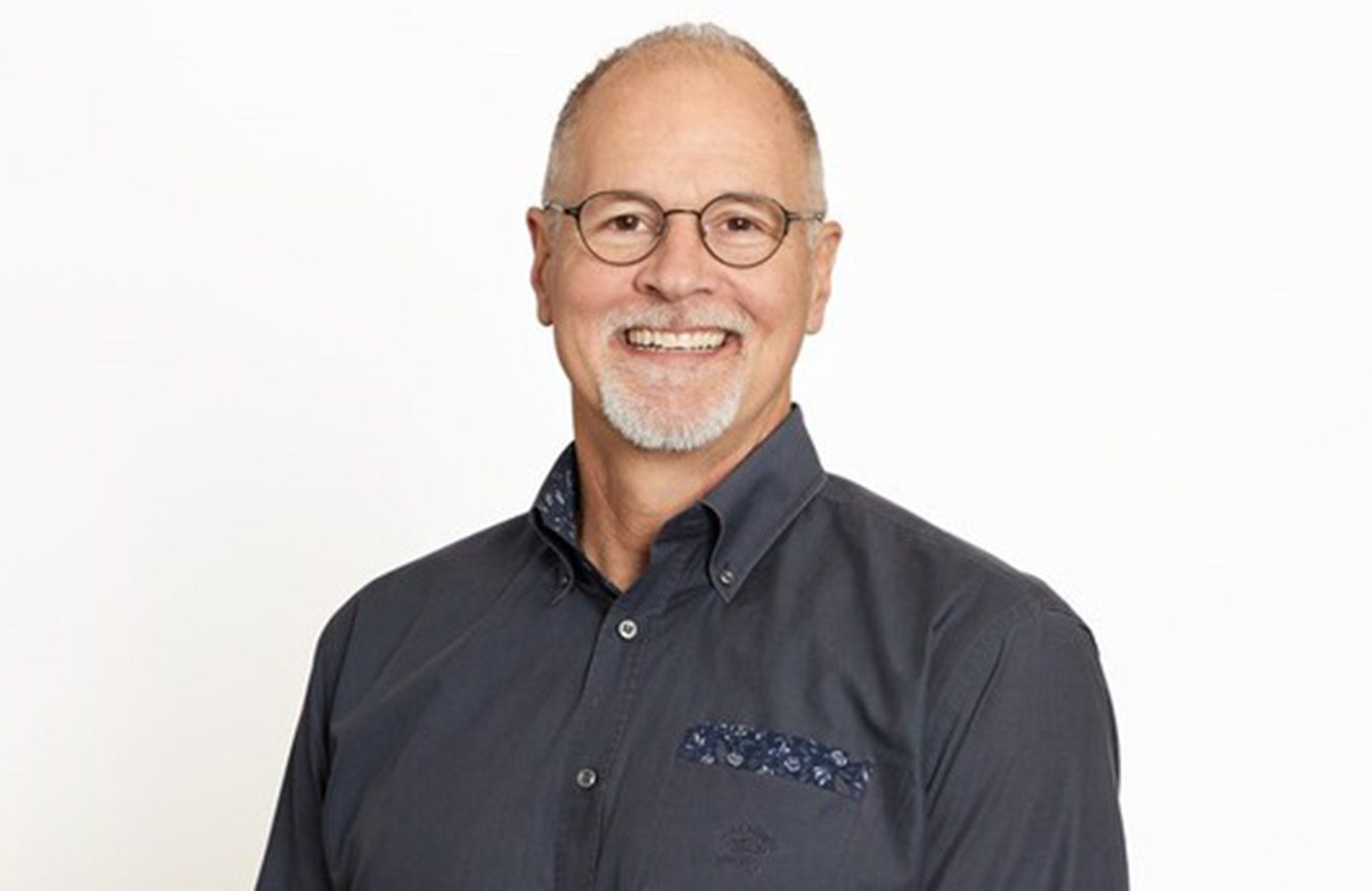
Robert Playter, who spent more than 30 years at Boston Dynamics and led the company as CEO since 2019, is stepping down and plans to retire. His departure, effective February 27, 2026, closes a chapter that saw the legendary robotics firm transform from a DARPA-funded research outfit into a commercial enterprise with paying customers on three continents. Amanda McMaster, currently serving as chief financial officer, will assume the role of interim CEO while the board conducts a formal search for Playter's successor.
Playter joined Boston Dynamics in 1994, just two years after Marc Raibert founded the company. He served as chief operating officer before ascending to the top job at what the company has described as a critical inflection point: the moment it needed to turn decades of viral-video-worthy engineering into sustainable revenue. That transition accelerated after Hyundai Motor Group acquired a controlling stake in 2020, providing both capital and a built-in customer for Boston Dynamics' emerging product line.
Commercial Milestones Under Playter's Watch
The Playter era produced Boston Dynamics' three commercial platforms. Spot, the quadruped robot that became an internet sensation, reached the market in 2020 and has since been deployed in industrial inspection, construction monitoring, and hazardous environment surveying. Notably, the decommissioning team at Japan's Fukushima Daiichi nuclear plant adopted Spot in 2022 for disaster site assessment. Stretch, a mobile robot designed for warehouse case handling, followed in 2022 and has attracted logistics clients including DHL Supply Chain, GAP, and H&M.
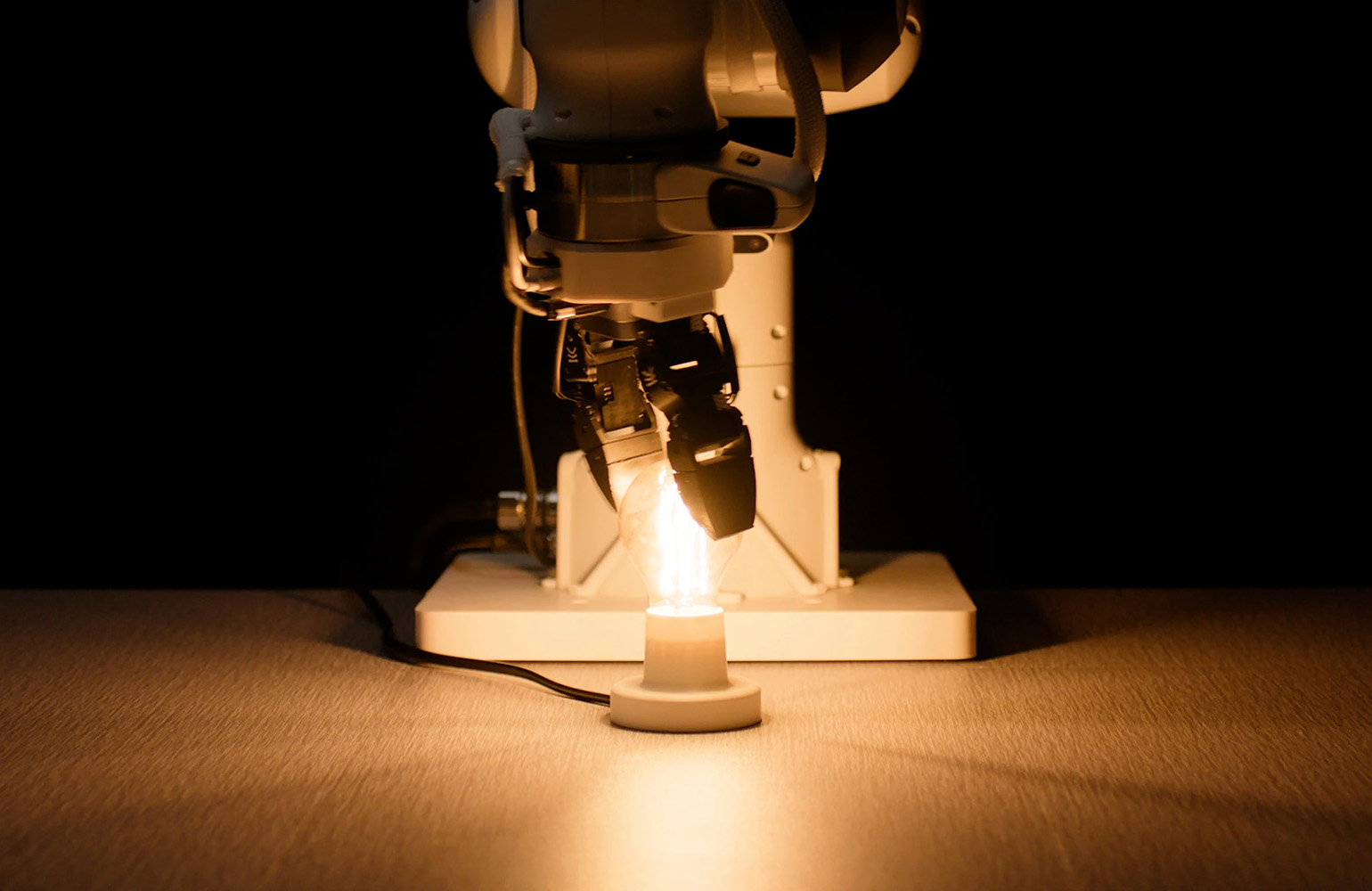
Most consequentially for the company's long-term trajectory, Playter oversaw the launch of a fully electric version of the Atlas humanoid robot. The commercial Atlas debuted last year and received a productized update at CES 2026, where Boston Dynamics also revealed a strategic partnership with Google DeepMind. Every Atlas unit scheduled for 2026 production has already been claimed, shipping to Hyundai's Robotics Metaplant Application Center and DeepMind's research operation, with additional customers lined up for 2027. Hyundai has publicly stated its ambition to manufacture up to 30,000 humanoid robots annually by 2028.
Raibert Reflects on a Long Partnership
Marc Raibert, who now leads the Hyundai-funded Robotics and AI Institute, offered a characteristically understated assessment of his 27-year working relationship with Playter. Raibert credited Playter with building teams and maintaining organizational stability through periods of ownership change and strategic reinvention. When Boston Dynamics needed to pivot from pure research toward commercial viability, Raibert said, Playter was the obvious choice to lead that effort.
In a farewell message to staff, Playter struck a reflective tone, describing the company's evolution from a basement lab at the MIT Media Lab to what he called the global leader in mobile robotics. He expressed confidence in the existing leadership team's ability to guide the company through the transition and argued that Boston Dynamics possesses the combination of technical depth, commercial discipline, and patient capital necessary to capture long-term value in a robotics market that remains in its early stages.
What Comes Next for Boston Dynamics
The timing of Playter's departure is notable. Boston Dynamics sits at perhaps the most consequential moment in its history, with humanoid robotics attracting unprecedented investment and competition from well-funded startups like Figure AI, Apptronik, and Agility Robotics. The company's next leader will inherit a business that has finally achieved commercial traction but must now scale manufacturing dramatically to meet Hyundai's ambitious production targets while fending off competitors whose speed-to-market strategies differ markedly from Boston Dynamics' methodical, hardware-first approach.
The board has not disclosed a timeline for naming a permanent CEO, nor has it indicated whether the search will favor internal candidates or look outside the company. For an organization whose identity has been so closely tied to its engineering founders, the choice will say a great deal about whether Boston Dynamics sees its future primarily as a product company, a platform company, or something else entirely.
This article is based on reporting by The Robot Report. Read the original article.
Originally published on therobotreport.com