A Series A Round Unlike Any Other
Apptronik, the Austin-based humanoid robotics company, has closed a $520 million extension to its Series A funding round, pushing the total raise for that single round past $935 million and bringing the company's lifetime capital to roughly $1 billion. The extension, dubbed Series A-X, closes at roughly three times the valuation of the original $415 million tranche announced earlier, a sign that investor appetite for humanoid robotics continues to accelerate well beyond initial expectations.
The new capital comes from a mix of returning backers and notable first-time participants. B Capital, Google, and Mercedes-Benz all deepened their commitments, while AT&T Ventures, John Deere, and the Qatar Investment Authority joined the round for the first time. The breadth of this investor list, spanning venture capital, automotive, telecom, agriculture, and sovereign wealth, underscores how widely humanoid robots are now seen as a transformative industrial technology rather than a niche research pursuit.
From Lab Bench to Factory Floor
Apptronik traces its origins to the Human Centered Robotics Lab at the University of Texas at Austin and counts NASA's Valkyrie among the 15 predecessor platforms that informed Apollo's design. The company now employs nearly 300 people and has secured pilot and deployment partnerships with Mercedes-Benz, GXO Logistics, and contract electronics manufacturer Jabil. Perhaps most significantly, a strategic collaboration with Google DeepMind will integrate DeepMind's Gemini Robotics software into future Apollo models, pairing advanced AI perception and reasoning with Apptronik's hardware expertise.
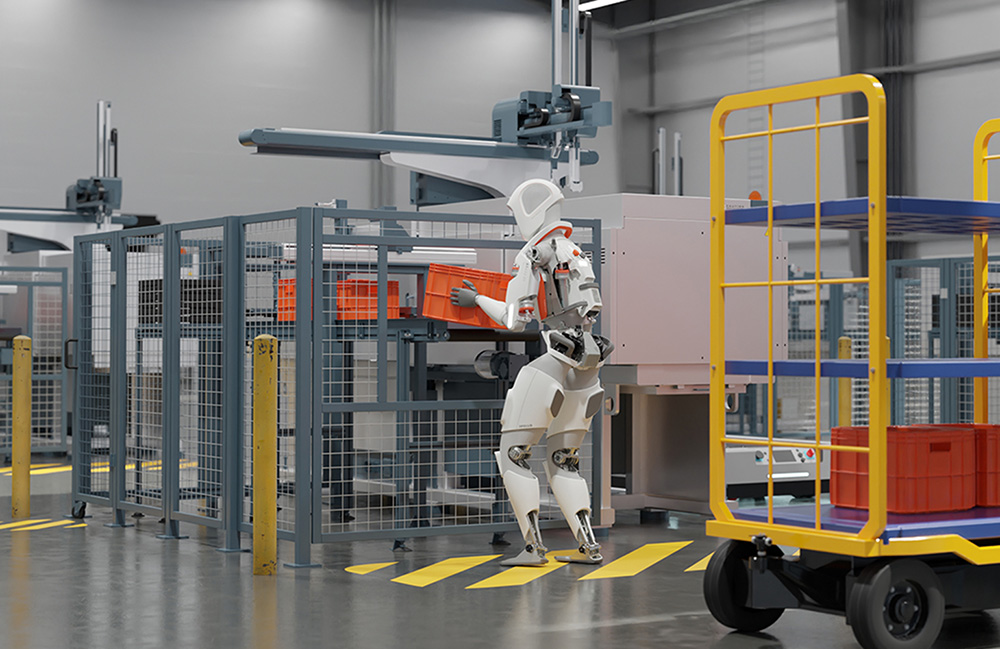
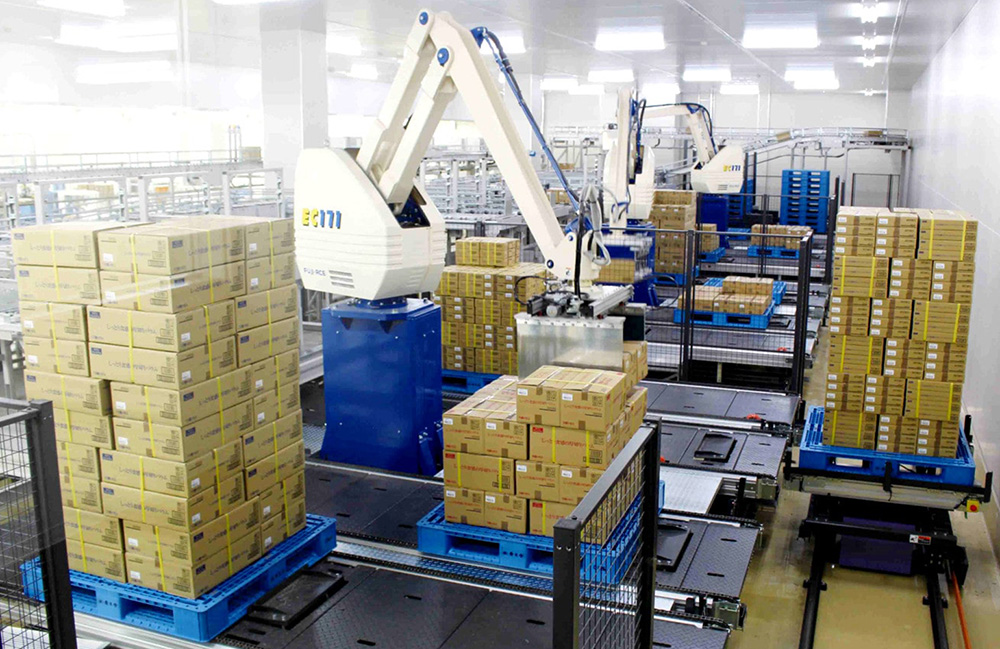
Apollo is designed to work alongside human employees in physically demanding roles such as palletizing, sorting, and kitting across manufacturing and logistics environments. Apptronik has signaled ambitions that stretch further, citing potential applications in healthcare and eventually domestic settings, though those timelines remain far less defined than the near-term industrial use cases.
Where the Money Will Go
Company leadership says the fresh capital will fund three priorities: scaling production of Apollo units, expanding a global network of commercial pilot sites, and building dedicated facilities for robot training and data collection. That last item is increasingly critical in the humanoid space, where the quality and volume of real-world manipulation data can determine how quickly a robot generalizes to new tasks. Apptronik also expects to unveil its newest Apollo model later this year, though it has not disclosed specific hardware changes.
CEO Jeff Cardenas framed the investment as validation of a long-term thesis. The company's pitch is not that humanoid robots will replace workers, but that they will serve as collaborative tools, handling repetitive physical labor so that human employees can focus on higher-value tasks. Whether that framing holds up as deployments scale remains an open question across the industry.
Why It Matters: The Billion-Dollar Benchmark
Apptronik's fundraise arrives in a year that has already seen LimX Dynamics pull in $200 million and follows a 2025 in which Figure AI closed a $1 billion Series C, Agility Robotics raised $400 million, and several other firms secured nine-figure rounds. The sheer volume of capital flowing into humanoid robotics now exceeds what the autonomous vehicle sector attracted at a comparable stage of development, and the competitive dynamics are shifting accordingly.
Yet the gap between funding and commercial traction remains wide. Agility Robotics leads the deployment count, with its Digit humanoid operating at Mercado Libre and GXO facilities. Figure AI has shipped units to at least one paying customer. Boston Dynamics has committed all of its 2026 Atlas production to Hyundai's manufacturing arm and Google DeepMind, with Hyundai targeting 30,000 humanoids per year by 2028. Against that backdrop, Apptronik's near-billion-dollar war chest buys time and engineering runway, but the company will ultimately be measured by how many Apollos are doing real work in real warehouses and how quickly that number grows.
This article is based on reporting by The Robot Report. Read the original article.
Originally published on therobotreport.com