A Push to Overhaul Aging Defense Production Lines
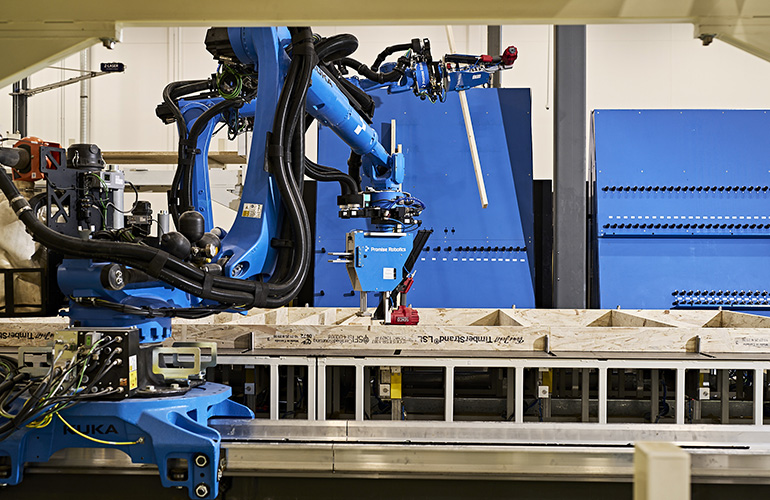
The Advanced Robotics in Manufacturing (ARM) Institute has opened a significant new project call focused squarely on modernizing the organic industrial base (OIB) that underpins American military supply chains. Working in close collaboration with the Office of the Secretary of Defense Manufacturing Technology (OSD ManTech) program, the initiative targets facilities that produce everything from munitions to transportation vehicles and other critical warfighter equipment.
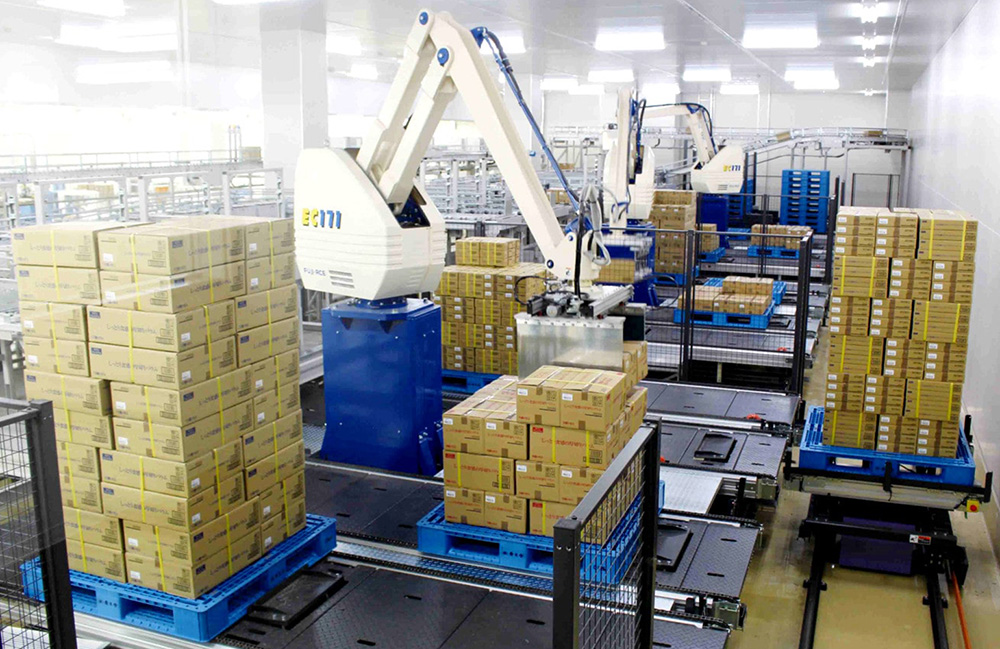
The timing is no accident. Many OIB facilities across the United States continue to operate with outdated, poorly integrated machinery that hampers both the consistency and speed of production operations. In an era of heightened geopolitical tension and increased demands on defense readiness, the gap between what these facilities can produce and what modern warfare requires has become impossible to ignore.
Eight Innovation Domains in Focus
The ARM Institute has outlined eight specific technology domains where it is seeking breakthrough innovations from its membership base. These domains span a wide range of manufacturing challenges and represent the most pressing bottlenecks in defense production today.
- Digital operations technology — Integrating advanced software platforms to coordinate and optimize production workflows across legacy equipment and modern systems.
- Real-time manufacturing sensors for robotics — Deploying sensor arrays that can feed live data into robotic systems for adaptive manufacturing processes.
- AI robotic process planning — Leveraging artificial intelligence to automate and optimize how robots plan and execute manufacturing tasks.
- In-situ quality checks — Implementing inline inspection systems that can verify product quality during production rather than after completion.
- Reduced operator exposure — Minimizing the time human workers spend in hazardous environments through automation and remote operation.
- Operational cost reduction — Finding ways to cut ongoing production costs while maintaining or improving output quality.
- Prototype pilot lines for non-traditional OIB products — Building flexible production lines capable of manufacturing items not traditionally produced at OIB facilities.
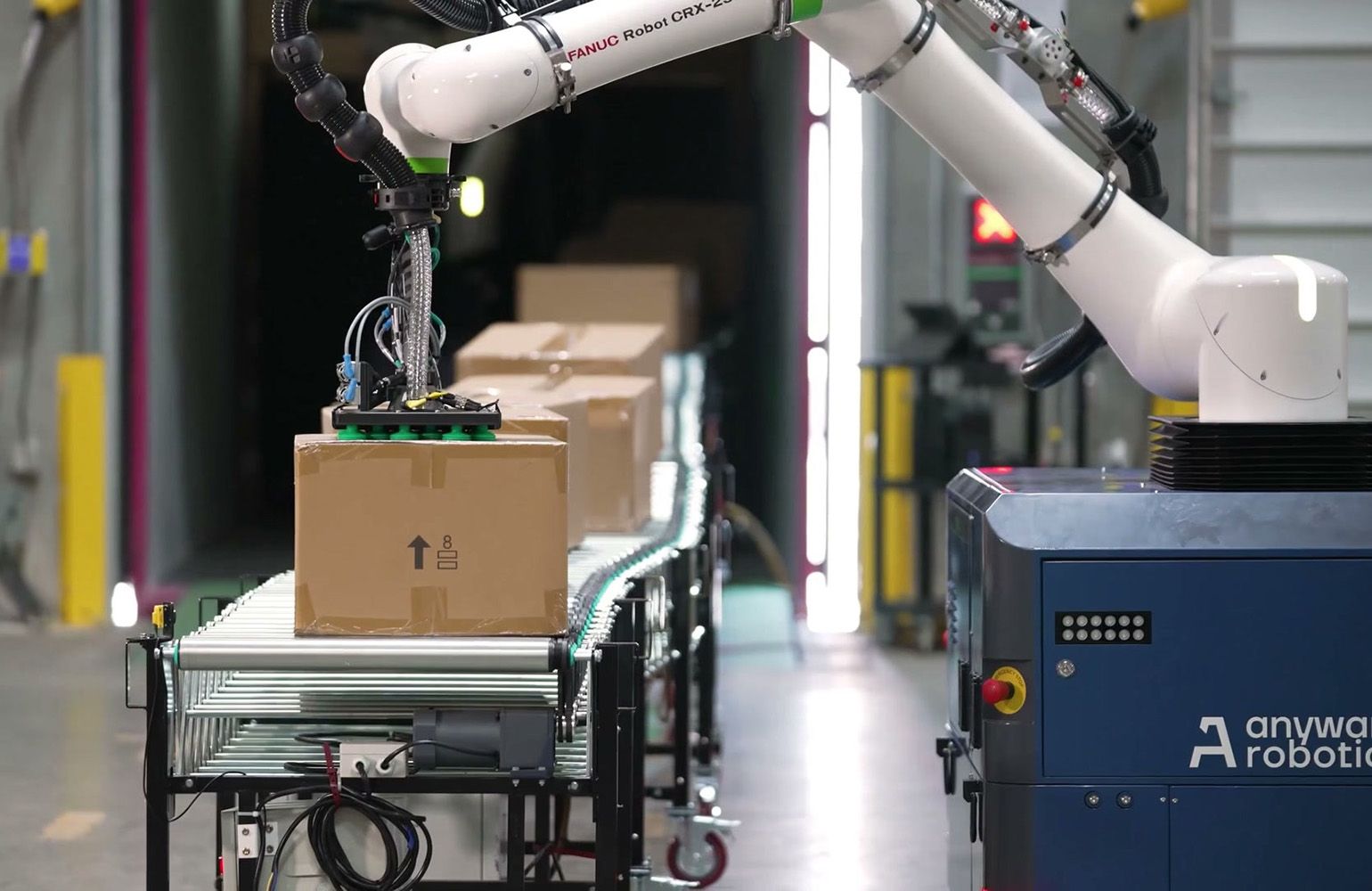
- Mobile and large surface automation — Developing robotic systems capable of working on large-scale components and surfaces with high precision.
Strict Requirements and Tight Timelines
The project call comes with demanding requirements that reflect the urgency of the modernization effort. Whitepaper submissions are due by March 2, giving prospective teams only a narrow window to formalize their proposals. Selected projects must reach their performance milestones by October 1, a timeline that underscores the Defense Department's desire for rapid, tangible results rather than extended research programs.
Participation is restricted to ARM Institute members, and proposals must include working prototypes that can be deployed at actual OIB facilities. This is not a call for theoretical research or laboratory demonstrations — the OSD wants solutions that can be tested and validated in real-world production environments. Teams with existing relationships at OIB sites will receive preference, and each proposal must include a letter of commitment from a military service branch or OIB site sponsor.
Cost-sharing from participants is also expected, signaling that the government views this as a genuine partnership rather than a one-directional funding exercise. While the ARM Institute has indicated that funding for selected projects will likely exceed previous award amounts, specific dollar figures have not been disclosed.
Why the Organic Industrial Base Matters
The organic industrial base is a cornerstone of American defense manufacturing capacity. Unlike commercial defense contractors that can scale production up or down based on market demand, OIB facilities are government-owned and operated, providing a guaranteed production floor for critical military supplies. When these facilities fall behind technologically, the consequences ripple across the entire defense supply chain.
The challenges facing OIB facilities are multifaceted. Legacy equipment often lacks the digital interfaces needed to connect with modern manufacturing execution systems. Quality control processes may rely on manual inspection rather than automated sensing. And the workforce operating these facilities may not have access to the training and tools needed to implement advanced manufacturing techniques.
By targeting all eight innovation domains simultaneously, the ARM Institute and OSD ManTech are taking a holistic approach to modernization. Rather than addressing one bottleneck at a time, they aim to create integrated solutions that can transform entire production lines.
An Informational Webinar and Next Steps
For ARM Institute members considering a proposal, an informational webinar is scheduled for February 19 at 3:00 p.m. ET. This session will provide additional details on submission requirements, evaluation criteria, and the types of solutions the OSD is prioritizing.
The project call represents one of the most ambitious recent efforts to bring advanced robotics and AI into military manufacturing. If successful, the prototypes developed through this initiative could serve as templates for broader modernization across the entire defense industrial base, setting new standards for how the United States produces the equipment its armed forces depend on.
The Broader Manufacturing Innovation Landscape
The ARM Institute's latest project call does not exist in isolation. It is part of a larger network of Manufacturing Innovation Institutes funded by the Department of Defense and the Department of Commerce, each focused on a different technology domain. What distinguishes the ARM Institute's work is its explicit focus on the intersection of advanced robotics and manufacturing — a combination that becomes especially powerful when applied to the unique constraints of defense production.
Unlike commercial manufacturers that can gradually adopt new technologies over multi-year investment cycles, OIB facilities face a dual mandate: they must maintain current production capabilities while simultaneously modernizing for future demands. This means any robotics solution deployed at an OIB site cannot disrupt existing operations during implementation. The requirement for working prototypes in this project call reflects this reality — the OSD needs solutions that have been proven to work before they enter active production environments, not laboratory concepts that might require years of additional development.
For the robotics industry more broadly, the project call signals that defense manufacturing is becoming a significant market driver. Companies that can demonstrate their technologies in the demanding OIB environment will likely find applications across commercial manufacturing as well, creating a dual-use pathway that benefits both military readiness and industrial competitiveness.
This article is based on reporting by The Robot Report. Read the original article.
Originally published on therobotreport.com