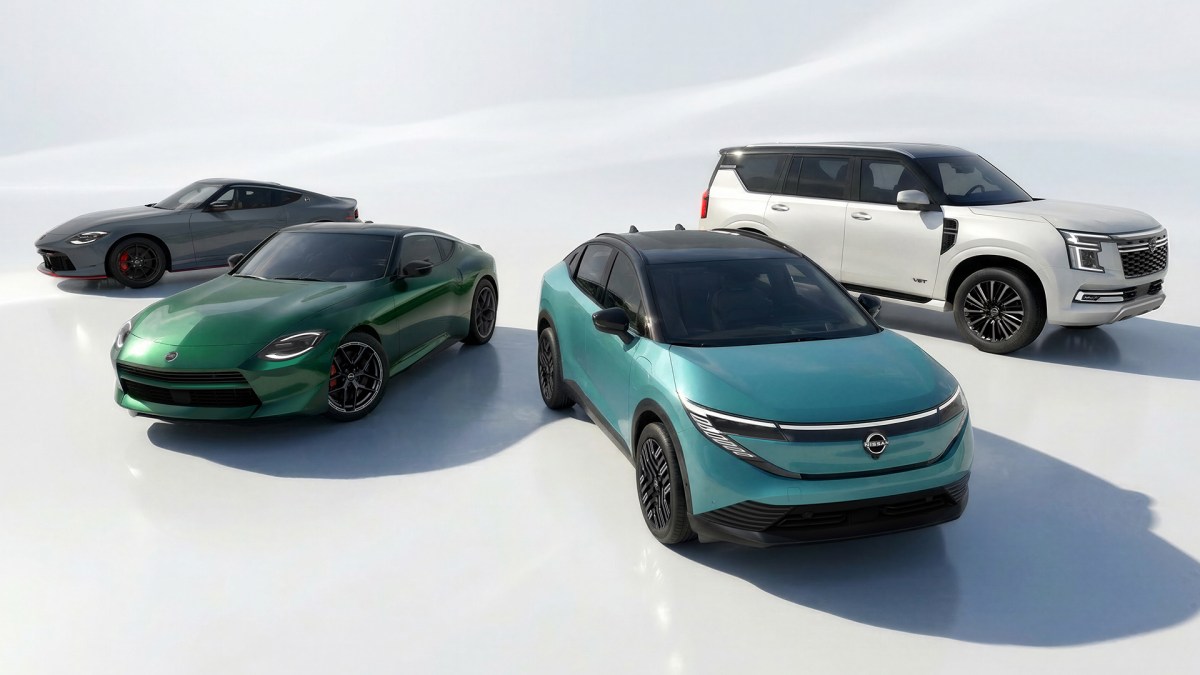
Nissan 将成本纪律与产品定位结合起来
Nissan 已经公布了一项范围广泛的转型计划,将产品缩减、平台共享和对高知名度车型的选择性投入结合起来,显示其在多年表现不均之后正转向更聚焦的战略。根据 The Drive 的报道,这家车企计划将产品阵容从 56 款缩减到 45 款,同时把未来车型重组为更少的家族,并围绕共享动力总成、平台、软件和开发成本展开。
这项公告的重要性不仅在于缩减本身。汽车制造商常常承诺简化。Nissan 之所以值得关注,是因为它把产品组合削减与更清晰的内部层级联系起来:一些车型将作为定义品牌的“Heartbeat”产品被保留下来,另一些将作为“Core”车型承担规模与稳定性,而单独的“Growth”和“Partner”类别则旨在拓展市场份额和合作机会。
这种结构表明,Nissan 试图同时解决两个问题。它想降低复杂度和成本,但也不想让外界觉得,精简意味着放弃那些赋予品牌个性的车型。在许多制造商都在向同质化跨界车和效率优先动力系统转向的市场里,Nissan 试图说明,聚焦并不等于变得平淡无奇。
阵容会更小,但性能与车迷车型仍居核心
The Drive 报道称,表现不佳的车型预计会被削减,但 Nissan 的 Z 和 GT-R 名号不在其中。相反,它们被明确列入新的 Heartbeat 组别并受到保护。即将推出的 Xterra 也加入了这一类别,因为 Nissan 正把目光投向依然火热的越野市场。
这释放出一个值得注意的信号。性能车和旗舰车型在狭窄的财务逻辑下往往难以自证其合理性,尤其是在重组期间。Nissan 选择保留它们,似乎是在说,有些车型的重要性不只在于填满销售报表,也在于定义品牌。这既是战略选择,也是产品选择。
同一篇报道还称,下一代 GT-R 预计将在 2030 年前后作为混动车型推出,同时保留 VR38 发动机缸体。随后,下一代 Z 的开发将启动。这些细节表明,Nissan 采用的是渐进式而非纯粹颠覆式的电动化路径。它并没有把混动描绘成与性能传统彻底切断,而是把它视为在更严格的排放和技术约束下延续传统的一种方式。
Xterra 被纳入 Heartbeat 组别也很说明问题。Nissan 没有把它当成边缘项目,而是把这款车型定位为有助于从 Jeep Wrangler、Ford Bronco 和 Toyota 4Runner 等成熟越野竞争者手中吸引关注和市场份额的产品之一。
共享家族旨在降本,而不是压平产品差异
Nissan 计划中更具结构性的部分在于未来车型将如何组织。公司打算将产品归入共享平台、动力总成和软件的家族中,以便把研发支出摊薄到更广的基础上。这在全球汽车制造中是标准逻辑,但 Nissan 现在正把它作为转型叙事的核心。
在 The Drive 的叙述中,Core 车型是用来支撑规模化业务的。Rogue,也就是部分市场中的 X-Trail,被视为最明显的例子。它计划采用 Nissan 的 e-Power 混动系统,该系统使用汽油发动机为电池组发电,再由电池驱动驱动车轮的电动机。
这一细节很重要,因为它表明 Nissan 并不打算在各个方面采用同一种电动化方案。相反,它是在为不同角色匹配不同技术。旗舰产品可以继续承担情感价值,在某些情况下也可以成为混动性能车;而走量产品则可以搭载以效率为导向的系统,以保护全球规模。
与此同时,Growth 车型则着眼于市场扩张。文章以欧洲市场的新一代 Juke 为例,而 Partner 车型似乎旨在通过合作来扩大覆盖范围。报道中提到的下一代 Mitsubishi Montero,被描述为重新换标的 Armada,正是可能适合这一类别的产品。
Nissan 方案强调的重点
- 将总车型数量从 56 款减少到 45 款。
- 保留 Z、GT-R 和 Xterra 等具有情感价值的车型。
- 通过共享平台、动力总成和软件的家族化结构降低成本。
- 扩大混动布局,包括 Core 车型采用 e-Power,以及到 2030 年推出混动 GT-R。
在市场压力与消费者反馈下进行重置
这项战略的时机反映了更广泛的市场压力。车企正面临排放要求、软件投资需求、区域产品碎片化,以及一种竞争环境:电动化决策可能同样会疏远许多买家,也能吸引他们。Nissan 的应对显得刻意混合:大幅简化,但保留部分仍受客户重视的传统特征。
这种平衡很重要,因为公司试图在不丢失围绕其最强品牌认同而形成的忠诚度的前提下复苏。削减过深可以省钱,却可能削弱品牌;保留过多则会让复杂性继续存在。四家族结构正是 Nissan 试图在这两种风险之间寻找平衡的方式。
这项计划也显示出,混动化正逐渐成为一种折中工具,而不是过渡时期的脚注。Nissan 正利用混动系统同时支持主流效率和未来性能信誉。如果这一策略奏效,它可能比纯电推进更能给公司在那些仍然偏好熟悉驾驶特性或更长途实用性的细分市场中留出空间。
不过,仍然存在一些未解问题。Nissan 已经说明了类别和方向,但最终成败取决于执行是否能超越演示文稿层面的重组。真正的考验在于:缩减后的阵容是否真的让消费者觉得更清晰,共享家族是否真的改善利润率,以及被保留的性能车型是否能加强品牌,而不只是象征性地存活下来。
至少现在,这项计划比 Nissan 近一段时间以来给出的任何表态都更明确。公司没有承诺要满足所有人,而是承诺变得更小、更有选择性、更混动化,并更清楚地说明哪些产品承载其品牌身份。在一个复杂性难以消化的行业里,这可能正是这次重置最重要的部分。
本文基于 The Drive 的报道。阅读原文。
Originally published on thedrive.com