中国在全球赛车硬件领域进一步深入
中国已经成为汽车制造、电动汽车领域的一支重要力量,并且在赛车参与方面也日益活跃。但有一个缺口始终格外明显:尽管中国车队和品牌已在各类赛车中建立了存在感,中国迄今仍未打造出一款由国内制造的 GT3 级别挑战者。而 GT3 正是国际跑车赛事中最重要的类别之一。长城汽车如今表示,它打算改变这一局面。
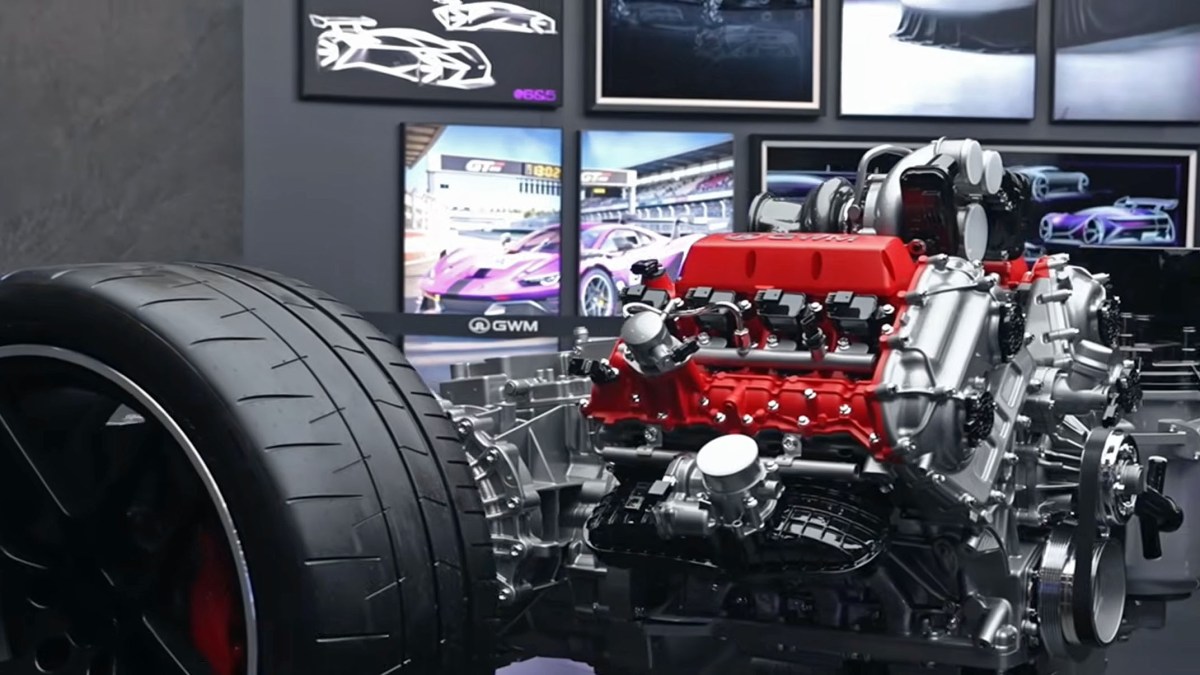
在北京举办的 Auto China 2026 上,长城汽车披露正在开发一款名为 Great Faith 的 GT3 赛车。该项目将由一台自研 4.0 升双涡轮增压 V8 提供动力,并预计将支持相关量产车型。如果该项目按照来源材料所述时间表推进,它最快可能在明年亮相赛场。
这项宣布的重要性不仅在于它为拥挤的赛场再添一台赛车,更在于它标志着中国汽车制造商在全球定位上的一次转变。GT3 并不是一个小众的区域性规格,它是全球使用最广泛的客户赛车平台之一,在耐力赛、国家级锦标赛以及国际车企品牌塑造中都具有影响力。进入这一领域需要的不只是营销,还需要工程可信度、严格的认证规范,以及在比赛条件下接受检验的能力。
一场来自以实用车型著称公司的性能攻势
长城汽车最广为人知的是跨界车、SUV 和越野取向产品,而非顶级赛道竞速。这使得 GT3 项目成为一次值得注意的战略扩展。公司借北京车展把 Great Faith 项目与更广泛的性能布局联系起来,其中包括设立一家性能子公司。
这一背景很重要。GT3 项目可以成为品牌光环工程,但只有当它能支撑更广泛的产品与品牌架构时,才能发挥更大作用。通过把赛车与未来量产车型相连接,长城释放出的信号是,这不是一次性的展示品。公司似乎正在把赛车运动同时用作技术验证场,以及重塑其部分产品线高性能形象的一种方式。
来源文本还提到长城业务中一个现有但相对例外的案例,即其与 BMW 的 Spotlight Automotive 合资企业,该项目负责在北美以外生产全新的电动 Mini Cooper。即便如此,GT3 的宣布仍指向另一种完全不同的雄心。与其说是在为合作伙伴做组装,不如说长城是在推出一个围绕自身动力系统和赛车目标构建的性能项目。
选择 V8 是有意为之
该项目的核心是发动机:一台自研 4.0 升双涡轮增压 V8。在一个越来越强调动力系统效率、布置、耐久性以及平衡性能校准的赛车环境中,这一选择使长城直接与成熟的跑车制造商展开对话,而不是与仍处起步阶段的创业者相提并论。
这也赋予公司一种象征性资产。高性能 V8 的研发在性能车与赛车文化中仍然具有分量,尤其是在 GT 赛事里,声浪、性格和耐久属性仍是产品的一部分。来源指出,Toyota 的 GR GT3 也将搭载 4.0 升 V8,这让长城的设想与主要现有厂商及近期开赛的新进入者一起置于同一竞争框架中。
不过,发动机的公布仅仅是开始。GT3 的成功依赖于更广泛的系统,包括底盘开发、空气动力学、散热、可靠性、可维护性以及客户车队支持。长城将该项目与一个命名赛车和新的性能部门绑定,说明它理解这项工作的规模,但最终能否从新闻标题变成真正里程碑,取决于执行。
领导层与时间表
据所提供的报道,前 McLaren 首席工程师 Adam Thomson 正在领导这一项目。这一点是长城认真对待该项目的最强信号之一。GT3 是一个成熟且技术要求极高的领域,拥有顶级赛车经验的外部领导者可以缩短设计、测试和项目架构方面的学习曲线。
最快明年推出的时间窗口也相当激进。这意味着如果项目要按计划达到可参赛状态,就必须迅速推进开发、验证和认证。来源没有提供测试进展、客户车队承诺或首发赛事的细节,因此这些仍是待解问题。但即便在宣布阶段,该项目也因同时具备明确动力系统、指定领导者以及预期量产车联系而显得突出。
中国赛车雄心的更大图景之一
长城的举动并非孤立存在。来源描述了中国汽车制造商正在更强势地参与国际赛车硬件的更广泛趋势,而不仅仅是车队所有权或赞助。报道称,Chery 设定了通往勒芒 24 小时耐力赛的五年路线图,而 BYD 则表达了对 Formula 1 和世界耐力锦标赛的兴趣。来源中提到的传闻还指向 BYD 正在探索超级跑车路线。
综合来看,这些信号表明中国汽车工业进入了一个新阶段。多年来,中国品牌主要以制造规模、国内竞争和出口扩张来衡量。赛车运动改变了这一框架。尤其是那些属于全球公认类别的赛车项目,能让企业在工程性能、耐久性和情感品牌价值方面争取公信力。它们也是公开展示,证明一家公司相信自己的技术与身份能够经受国际舞台审视。
真正的标准将由赛道决定
如果 Great Faith 最终参赛,它将进入一个由 Porsche 和 Ferrari 等成熟品牌,以及 Toyota 即将推出的 GR GT3 等新一代挑战者组成的赛场。对于任何新制造商而言,这都是一个高要求环境,尤其是对于试图成为该级别首个中国参赛车型的企业来说更是如此。
对长城而言,机会是清晰的。一款有竞争力的 GT3 赛车,既能帮助公司建立新的性能形象,也能让中国在赛车运动最具可见度的客户赛车类别之一中拥有长期缺席的存在感。但标准是无情的。在 GT3 中,品牌可以打开大门,真正决定项目是否有意义的,仍然是可靠性、速度和比赛成绩。
因此,这一宣布既像是一份工业声明,也像是一场测试。中国汽车产业已经证明自己能够实现规模化、出口和创新。长城现在是在证明,它同样能够打造一台可与这项运动最成熟制造商正面对决的赛车。下一步不是再登一次发布台,而是驶上赛道。
本文基于 The Drive 的报道。阅读原文。
Originally published on thedrive.com