与癌症相关的微胶质细胞突变可能正在帮助推动阿尔茨海默病
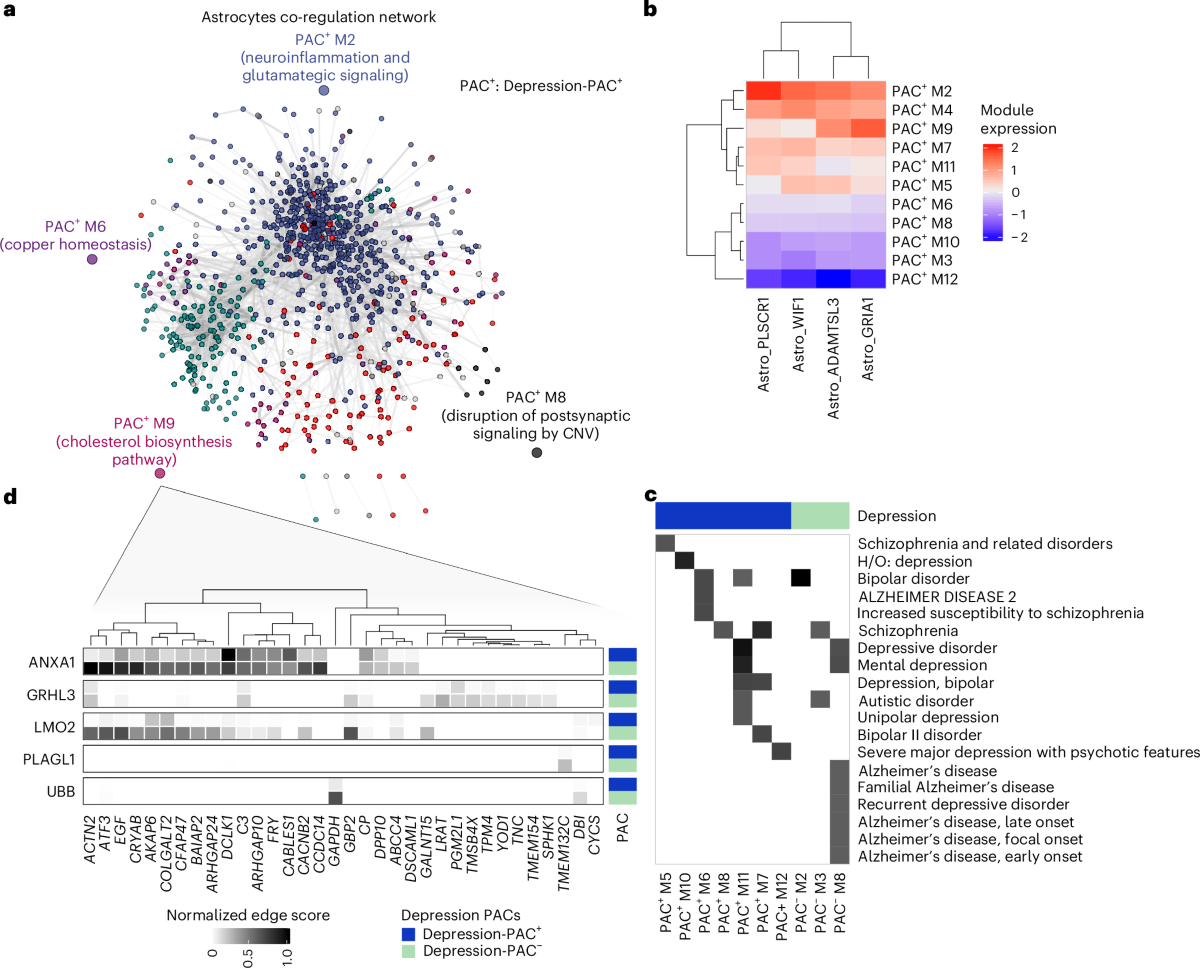
一项发表于《Cell》的研究比较了190例阿尔茨海默病患者的大脑与121例健康大脑,发现阿尔茨海默病中的微胶质细胞携带一小组致癌驱动基因中的重复突变,提示部分神经退行性变化可能与这些细胞有关。
- 研究人员比较了190例阿尔茨海默病患者的大脑与121例健康大脑,发现阿尔茨海默病样本中五个癌症驱动基因的重复突变更多。
- 这些突变出现在微胶质细胞中,提示发生改变的大脑免疫细胞可能帮助维持有害炎症,而不是形成癌症。
所有标记为「Alzheimer's disease」的文章

一项发表于《Cell》的研究比较了190例阿尔茨海默病患者的大脑与121例健康大脑,发现阿尔茨海默病中的微胶质细胞携带一小组致癌驱动基因中的重复突变,提示部分神经退行性变化可能与这些细胞有关。

中佛罗里达大学研究人员报告称,有证据表明阿尔茨海默病的一些运动相关症状可能起源于大脑之外,这一发现或将改变未来的诊断和治疗思路

Two phase 3 EVOKE(+) trials found that semaglutide did not slow clinical progression in Alzheimer’s disease, despite earlier signals that GLP-1 drugs might help.

A growing body of research suggests that the shingles vaccine does more than prevent a painful rash — it may significantly reduce the risk of dementia, including Alzheimer's disease, and even slow biological aging. The latest studies add to evidence that has been accumulating for years.
Researchers have found that Chlamydia pneumoniae, a widespread bacterium known for causing respiratory infections, can invade the brain and retina where it persists for years, triggering inflammation and amyloid-beta accumulation linked to Alzheimer's disease. The discovery opens new avenues for early detection through retinal imaging and potential antibiotic treatments.
Penn State scientists discover that a nanoscale lattice under the neuron membrane acts as a gatekeeper controlling amyloid-beta accumulation.