一个关键的宜居性假设正在被重新审视
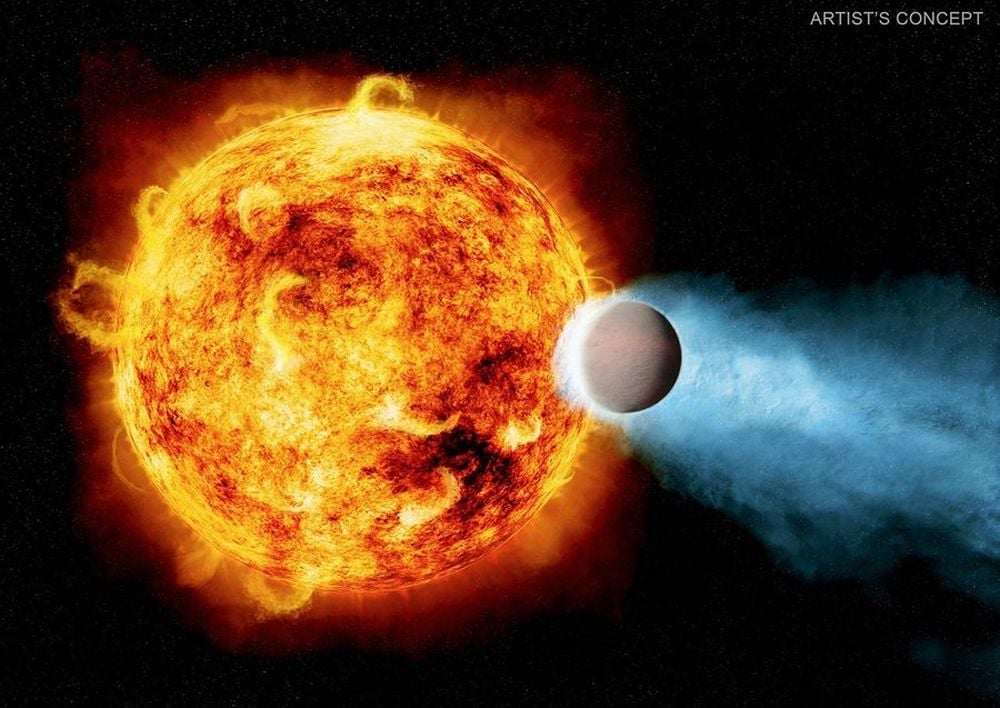
来源材料中强调的新研究表明,年轻的类太阳恒星对附近行星的影响,可能没有许多科学家此前担心的那样严酷。该研究聚焦太阳质量恒星的 X 射线演化,指出其高能辐射会更早减弱并变得更“柔和”。这一结果可能会改变研究人员对大气流失,以及环绕黄矮星世界的宜居前景的看法。
这一问题之所以重要,是因为恒星行为是作用于行星大气的最强外部力量之一。年轻恒星可以发射强烈辐射,尤其是在 X 射线和紫外波段。随着时间推移,这些高能输出会侵蚀大气层,尤其是对于处在脆弱轨道上的行星而言。没有大气层,一颗行星支持我们所理解生命的概率就会急剧下降。
这也是类太阳恒星在系外行星科学中占据如此重要位置的原因之一。ESA 的 Plato 等任务正在以它们为目标,而拟议中的 Habitable Worlds Observatory 也指向围绕类似恒星运行的类地行星。太阳型恒星寿命长、相对稳定,而其宜居带也在观测上颇具吸引力。但如果它们在早年阶段的辐射环境极其剧烈,那么其中一部分前景就会变得更加复杂。
新研究提出了什么
这项发表于 The Astrophysical Journal、由 Pennsylvania State University 的 Konstantin Getman 领衔的研究,追踪了太阳质量恒星在大约前十亿年中的 X 射线光度与光谱硬度如何演变。根据原文,这一结果指向“早期变暗和日冕软化”,意味着最严酷的 X 射线输出阶段可能比预期更早缓和。
这并不意味着年轻的类太阳恒星就是温和的。该研究仍将高能辐射视为驱动大气演化的关键因素。但它确实表明,如果恒星在较早阶段就降低并软化 X 射线输出,那么加诸其轨道行星上的长期大气损害,可能需要重新校准。
从实际角度看,更柔和、强度更低的 X 射线辐射,可能会降低行星大气承受的累积压力。对于那些本就处在潜在有利轨道上的世界,这或许会提高大气得以保留、并在更长时间尺度上维持稳定表面条件的可能性。
这一结果为何重要
这项工作的一个最重要后果是战略层面的。系外行星研究者正越来越多地投入时间和资源到类太阳恒星上,原因正是它们与我们目前所知唯一宜居世界的宿主恒星相似。但这类项目依赖一个隐含判断:太阳类恒星是否足够值得集中关注。
如果年轻黄矮星对附近大气层具有压倒性的破坏性,那么这种侧重点中的一部分可能就会显得不太准确。按照来源材料的概括,新结果的方向恰恰相反。它暗示标准图景可能过于悲观,而类太阳恒星周围的行星可能保留比先前假设更多的大气潜力。
这并不能最终回答宜居性问题。行星磁场、大气成分、轨道历史,以及恒星活动出现的时间仍然都很重要。但它改变了边界条件。一颗在高能层面更早安静下来的恒星,所提供的演化环境,与一颗长期保持严酷状态的恒星截然不同。
为什么恒星历史仍是宜居性科学的核心
这项研究也提醒我们,宜居性并不只是找到与恒星合适的距离。即便一颗行星位于名义上的宜居带,如果宿主恒星早期的辐射历史足够严酷,它仍然可能失去生命所需的基本要素。这使得恒星天体物理与系外行星表征密不可分。
因此,理解恒星在 X 射线和紫外辐射中的演化并不是旁支问题,而是基础问题。研究人员不仅需要知道恒星今天是什么样子,还要知道它在行星大气脆弱形成阶段,曾为这些行星创造了怎样的环境。
来源材料将这项工作视为更大努力的一部分,而其含义也确实重要。如果年轻的类太阳恒星真的比预期更早变暗并软化,那么一些围绕它们运行的行星,或许就更有机会保住自己的大气层。这并不能保证宜居性,但它加强了继续仔细研究太阳类系统,而不是把它们一概视为过于恶劣环境的理由。
在一个仍有许多重大问题悬而未决的领域,这是一项有价值的转变。它缩小了从一个仅仅大小与地球相仿的世界,到一个真正适合生命的世界之间最重要筛选条件之一的不确定性:恒星是否允许行星保住自己的空气。
这则报道为何重要
- 该研究表明,年轻的类太阳恒星可能比先前认为的更早在 X 射线中减弱。
- 这可能减少附近行星受到的大气剥离程度,并改变宜居性评估。
- 这一结果会直接影响科学家在未来系外行星任务中如何优先选择类太阳恒星。
本文基于 Universe Today 的报道。阅读原文。

Originally published on universetoday.com