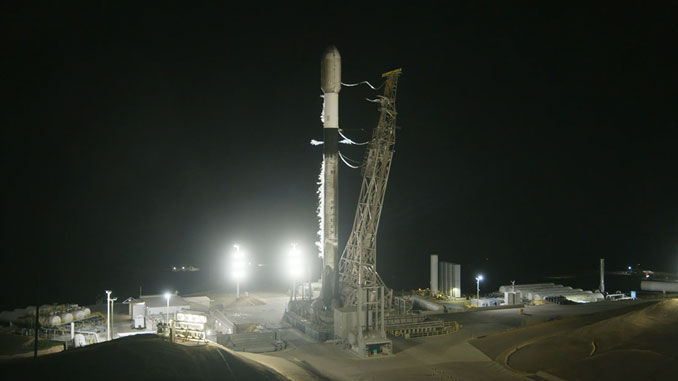
又一项 Starlink 任务从加利福尼亚排队待发
SpaceX 正在准备从加利福尼亚州的范登堡太空军基地发射 25 颗 Starlink V2 Mini 卫星,这是其宽带星座又一次高频部署。根据 Spaceflight Now 的报道,Starlink 17-27 任务计划于 4 月 14 日太平洋夏令时间晚上 9:29:49 发射,对应美国东部夏令时间 4 月 15 日凌晨 12:29:49,以及协调世界时 4 月 15 日 04:29:49。
该任务将从东 4 太空发射复合体起飞,沿加利福尼亚海岸向南飞行,目标轨道为 258 x 246 公里,倾角 97 度。这样的轨道参数会将有效载荷送入一种高倾角轨道,常用于 Starlink 部署,以扩大覆盖范围并补充网络容量。
从纸面上看,另一场 Starlink 发射似乎已是例行公事。但在实际操作中,每一次任务都持续展现出 SpaceX 围绕可重复使用火箭、标准化操作和星座级部署所建立的工业化节奏。报道将这次飞行称为该公司今年第 46 次 Falcon 9 发射,这一速度按历史发射行业标准来看异常之高,也表明商业轨道物流已从偶发事件转向持续运行。
重复使用仍是发射体系的核心
此次任务分配的一级助推器 B1082 将迎来第 21 次飞行。单这一数字就概括了现代发射领域最具影响力的变化之一:曾经被视为一次性消耗的硬件,如今被期望反复飞行,包括执行在轨网络建设任务。
Spaceflight Now 报道称,B1082 于 2024 年 1 月加入 SpaceX 舰队,至今已执行多种任务,包括此前 17 次 Starlink 投送任务,以及 USSF-62、OneWeb Launch 20 和 NROL-145。重复使用记录的重要性不仅在于工程里程碑,也在于商业信号。SpaceX 正在表明,助推器可以在商业、政府和国家安全任务之间切换,同时继续支撑高密度的发射节奏。
起飞约 8 分钟后,助推器预计将尝试降落在太平洋上的无人船 Of Course I Still Love You 上。对于经常关注发射的人来说,这一步回收已不陌生,但它对公司的经济模式仍然至关重要。每一次成功着陆都在支持更广泛的策略,即尽可能频繁地发射助推器,以压低发射成本并提高任务可用性。
就 Starlink 而言,这种模式使 SpaceX 能同时充当发射服务商和星座运营商。公司并不是等待外部任务需求来证明一枚火箭的价值,而是利用自身的发射能力,迅速扩展内部通信网络。
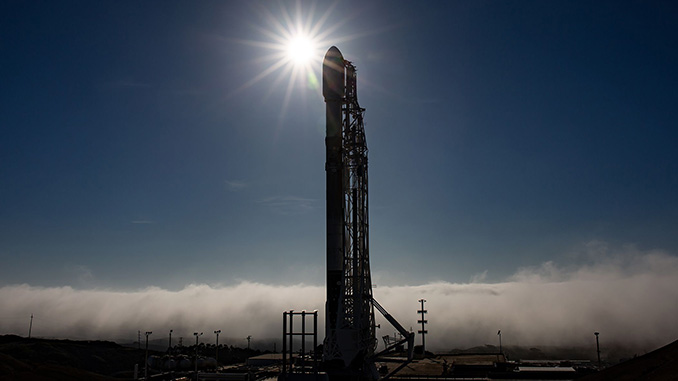
为何这次任务在发射潮之外仍然重要
Starlink 发射已经常见到容易混在一起,但真正的故事在于其规模。建设全球互联网星座需要的不是一次戏剧性的发射,而是持续不断的部署序列。每一批卫星都会增强韧性、补充网络,并支持地理覆盖或容量增长。
此次任务搭载的 25 颗有效载荷被确认为 Starlink V2 Mini 卫星。与早期版本相比,这一代航天器能力更强,同时仍兼容 Falcon 9 的部署限制。持续发射这一类别的卫星表明,SpaceX 仍在通过小步但频繁的升级持续迭代网络,而不是等待罕见的大规模部署窗口。
这次任务也凸显了 Falcon 9 系统的地理灵活性。佛罗里达州的发射常常占据公众注意力,但范登堡仍是需要极地或近极轨道任务的关键基地。通过同时维持两岸运营,SpaceX 能把轨道需求与发射基础设施相匹配,同时保持整体发射节奏。
任务概览
- 发射场:范登堡太空军基地东 4 太空发射复合体。
- 有效载荷:25 颗 Starlink V2 Mini 卫星。
- 目标轨道:258 x 246 公里,倾角 97 度。
- 助推器:Falcon 9 一级助推器 B1082,第 21 次飞行。
- 回收计划:降落在无人船 Of Course I Still Love You 上。
高频轨道运营的常态化
这次任务最引人注目的,并不是某个实验性载荷或某个吸睛的首次任务,而是在大规模层面上的重复变得常态化。到 4 月中旬就完成第 46 次 Falcon 9 任务的公司,放在过去会显得几乎难以置信。如今,这一节奏正在被用来支撑一个依赖持续部署而不断增长的通信网络。
这对 SpaceX 之外的行业也有影响。可重复使用、快速周转以及垂直整合的网络建设,正日益成为商业太空运营的预期标准。竞争对手、卫星运营商、监管机构和军事规划者都必须评估这样一个世界:进入轨道的机会正变得更加频繁,也更加日常化。
Starlink 计划的持续性还具有战略层面意义。通信星座的实用价值取决于其维持的覆盖和更新的容量。定期发射使 SpaceX 能持续增加卫星,同时替换或补充较早的航天器,让网络不再只是一次性的基础设施项目,而是一个通过持续物流维系的活系统。
这次任务完全符合这一模式。它或许没有搭载独特的科学载荷,也没有采用全新的航天器设计,但它强化了一种正在重塑发射经济与卫星运营的模式。其规律性本身就具有重要意义。
如果飞行按计划进行,那么在一级助推器尝试无人船回收后大约一个小时,这次任务将再向 Starlink 星座增加 25 颗卫星。曾经非同寻常的这一流程,如今已成为生产节奏的一部分。更大的故事在于,以这种频率进行轨道部署,已不再是例外,而正逐渐成为基础设施。
本文基于 Spaceflight Now 的报道。阅读原文。

Originally published on spaceflightnow.com