GPS现代化的重要里程碑发射
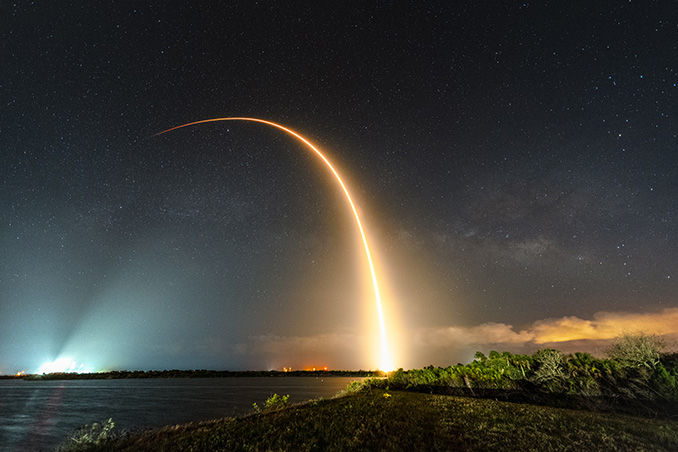
SpaceX于4月21日星期二凌晨为美国太空军发射了GPS III批次中的最后一颗卫星,并将这艘航天器从卡纳维拉尔角太空军站送入中地球轨道。发射于美国东部夏令时间凌晨2点53分25秒从40号发射台升空,此前因猎鹰9号助推器回收区域天气恶劣而推迟了一天。
此次任务搭载的是GPS III-8航天器,官方编号为Space Vehicle 10,即SV10。该卫星也被命名为Hedy Lamar,以纪念这位奥地利裔美国女演员和发明家,她在跳频方面的工作为后来的通信技术作出了贡献。
此次发射为太空军对全球定位系统现代化进程画上一个阶段性的句号。该部门如今正准备从GPS III卫星过渡到下一代GPS IIIF。
为什么最后一颗GPS III卫星至关重要
GPS卫星为美国军方、民用基础设施、交通系统、金融网络以及日常消费设备提供精确的导航和授时服务。GPS III批次一直是提升整个卫星星座韧性和能力的长期努力的一部分。
Combat Forces Command下属Mission Delta 31指挥官Stephen Hobbs上校将此次发射描述为该单位以及更广泛GPS体系的重要里程碑。他表示,结束GPS III批次并不是故事的终点,而是下一代的基础。
根据此次发射报道中包含的太空军评论,向GPS IIIF的过渡预计将为军事和全球用户带来更多能力。因此,最后一次GPS III飞行既是一个完成点,也是一座通往下一阶段卫星导航现代化的桥梁。
猎鹰9号复用继续用于国家安全任务
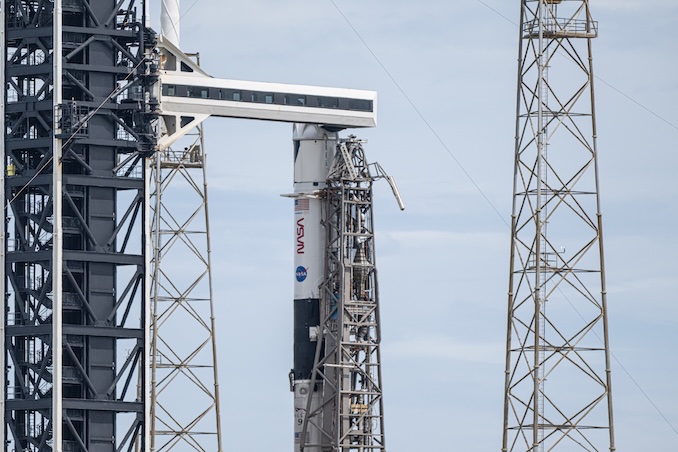
SpaceX在此次任务中使用了猎鹰9号一级助推器B1095。这次发射标志着该助推器的第七次飞行,此前六次任务都搭载了Starlink卫星。发射后约八分半钟,助推器降落在无人船Just Read the Instructions上。
此次任务还使用了重复使用的整流罩硬件。其中一半整流罩是第二次飞行,另一半则是第三次飞行。其中一半此前曾用于今年1月的GPS III-9任务。
SpaceX国家安全太空发射总监Anne Mason表示,重复使用为SpaceX和太空军团队带来了任务保障方面的收益。在国家安全任务中使用经过飞行验证的硬件,显示出复用在美国发射市场部分领域已变得多么常态化。
天气与回收行动
由于猎鹰9号一级助推器回收区域天气恶劣,此次任务比前一天推迟。条件允许后,火箭成功升空,助推器返回无人船。整流罩两半也预计会在更远下游溅落后被回收。
SpaceX表示,参与着陆的无人船将专门用于支持Starship项目。这一点凸显出公司需要在猎鹰9号运作、国家安全发射任务、Starlink任务以及Starship基础设施建设之间保持平衡。

更大的图景
此次发射之所以重要,有两个相互重叠的原因。首先,它完成了GPS III批次的部署,而该项目与全球使用的导航和授时基础设施相关。其次,它展示了SpaceX可重复使用的猎鹰9号系统持续融入美国国家安全太空任务的过程。
对太空军而言,重点现在转向GPS IIIF。对SpaceX而言,这项任务强化了猎鹰9号作为军用和民用载荷主力运载火箭的角色,尽管公司仍在推进Starship研发。对GPS用户来说,影响不那么明显,却至关重要:支撑现代导航与授时的星座仍在一代一代地更新。
本文基于Spaceflight Now的报道。阅读原文。
Originally published on spaceflightnow.com