一颗春季彗星在太阳附近达到峰值
彗星 C/2025 R3 Pan-STARRS 已在其 2026 年出现过程中的关键转折点到来,于近日点抵达,结束了它在黎明天空中短暂但醒目的运行。根据 Universe Today 的报道,这颗彗星发展良好,亮度达到约 +4.3 等,并让人们希望它在太阳耀斑遮蔽地面观测窗口之前,能够接近肉眼可见。
这样的时机既令人兴奋,也让观测者感到沮丧。这颗彗星在 4 月 19 日以 0.499 个天文单位的距离最接近太阳,约合 7500 万公里。但从地球的视角看,它在天空中也正极其接近太阳,这限制了地面观测者的直接观测。
这种组合在彗星观测中很常见。一些最具视觉冲击力的天体,往往也是最难捕捉的,因为它们只有在冲入尴尬的太阳几何位置时才会变亮。
为什么 R3 Pan-STARRS 引起关注
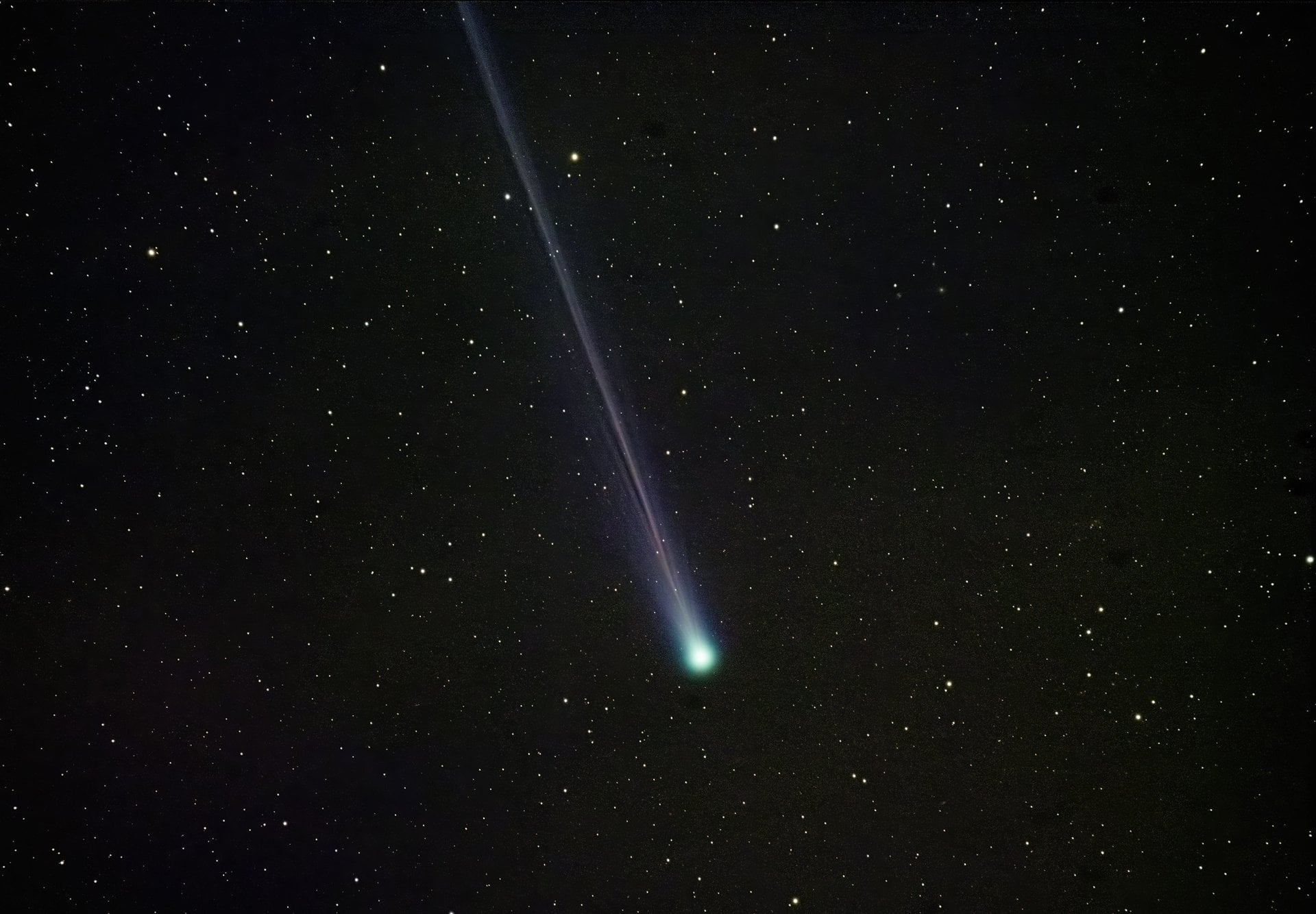
这颗彗星之所以获得不同寻常的关注,是因为它成为北半球春季最明亮、也最适合拍摄的目标之一。Universe Today 描述了它那极细如针的尘埃尾,以及由氰气产生的带绿色彗发,这些特征帮助它在中北纬观测者可利用的日出前短暂窗口里拍摄的天体摄影作品中脱颖而出。
原始报道称,这颗彗星由 Pan-STARRS 天空巡天于 2025 年 9 月 8 日发现,并作为当年值得关注的彗星之一进入 2026 年。它最初带有一定不确定性,但近期观测似乎已经超过了较为保守的基线预期。
这一点更显重要,因为另一颗备受期待的春季彗星 C/2026 A1 MAPS 在 4 月 4 日近近日点掠过时解体。随着那颗天体消失,R3 Pan-STARRS 便成为了这个季节的主角彗星。

它有多接近,以及接下来会发生什么
R3 Pan-STARRS 被描述为来自约 17 万年一周期的轨道,在近日点前向内太阳系移动,随后再向外返回。Universe Today 指出,这颗彗星刚好经过水星轨道之外,距离足够近,太阳热量和辐射会塑造它的外观,但又未必近到必然被摧毁。
在近日点附近,能否存活始终是关键问题。掠日彗星或近掠日彗星可能突然大幅增亮,然后碎裂或消失。在这种情况下,源文显示 R3 Pan-STARRS 的生存前景相较于更极端的掠日彗星要好得多。文中还提到,这颗彗星最接近地球的时间是 4 月 26 日,当时它将相距 0.523 个天文单位。
不过,对地面观测者来说,距离近并不等于就能看见。几何条件依然非常不利,因为这颗彗星在天空中靠近太阳。因此,后续最好的观测视角可能越来越多地来自空间仪器,而不是后院望远镜。
现代太阳观测台的作用
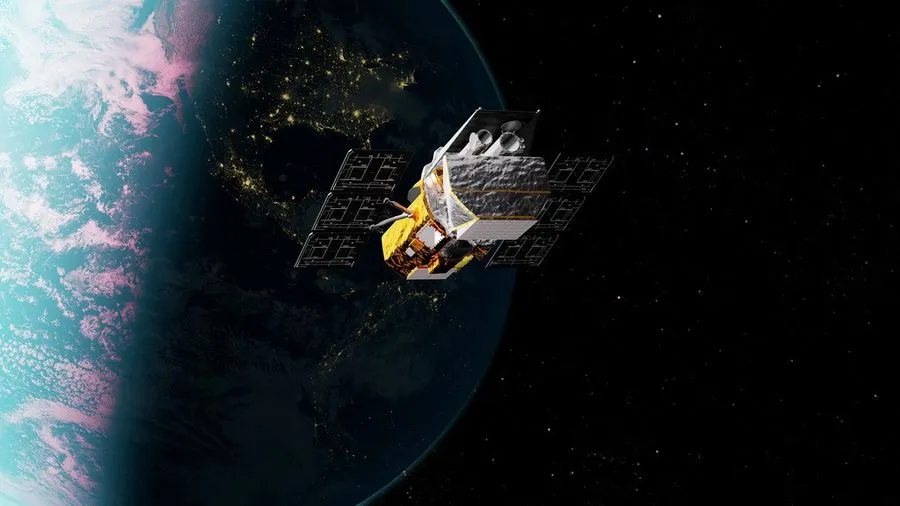
彗星观测中的一个悄然变化是,近日点不再必然意味着观测中断。Universe Today 指出,现代空间观测工具使天文学家和公众能够在以往几乎会彻底遮蔽彗星的太阳合相条件下,继续追踪它们。
这意味着,R3 Pan-STARRS 的故事不会在黎明观测者于逐渐变亮的天空中失去它时就结束。空间成像仪仍可继续记录彗尾如何演化、彗核是否保持完整,以及这颗彗星绕过太阳并再次向外飞行时的行为。
对于像 R3 Pan-STARRS 这样的天体,这一点尤其有用,因为它最戏剧性的阶段可能恰好与从地球表面观看时最糟糕的几何条件重合。
为什么彗星故事仍然重要
彗星在天文学中占据着独特的位置。它们在科学上极具价值,因为它们保存了太阳系深处古老时代的物质;但它们同时也是少数几种能让人感到即时、公共参与感的天象之一。一颗明亮的彗星可以把普通观测者变成参与者,哪怕只是在日出前的几个清晨。
R3 Pan-STARRS 在 2026 年 4 月带来了其中一部分体验。即便观测窗口有限,它仍然产生了强有力的影像,也重新唤起了每一颗有希望的彗星都会伴随的熟悉疑问:它会再亮一点,还是在表演结束前就散掉?
就目前而言,所提供来源中的证据显示,这是一颗表现足以证明其受关注程度的彗星,它已存活到近日点,并将在远程仪器的持续追踪下,随着它掠过太阳后继续向外移动而仍值得关注。
值得关注的内容
- 空间观测是否显示这颗彗星在近日点后仍保持完整。
- 随着它远离太阳,其亮度和彗尾如何演变。
- 近日点后的几何位置是否会带来新的观测机会。
- R3 Pan-STARRS 在今年稍后与 2026 年其他重要彗星相比如何。
彗星 R3 Pan-STARRS 或许不会成为真正轻松可见的肉眼奇观,但它已经成为本季最令人难忘的天空天体之一。在这一年里,另一颗备受期待的彗星已经未能存活下来,仅凭这一点,就足以让天文学家持续关注它。
本文基于 Universe Today 的报道。阅读原文。
Originally published on universetoday.com