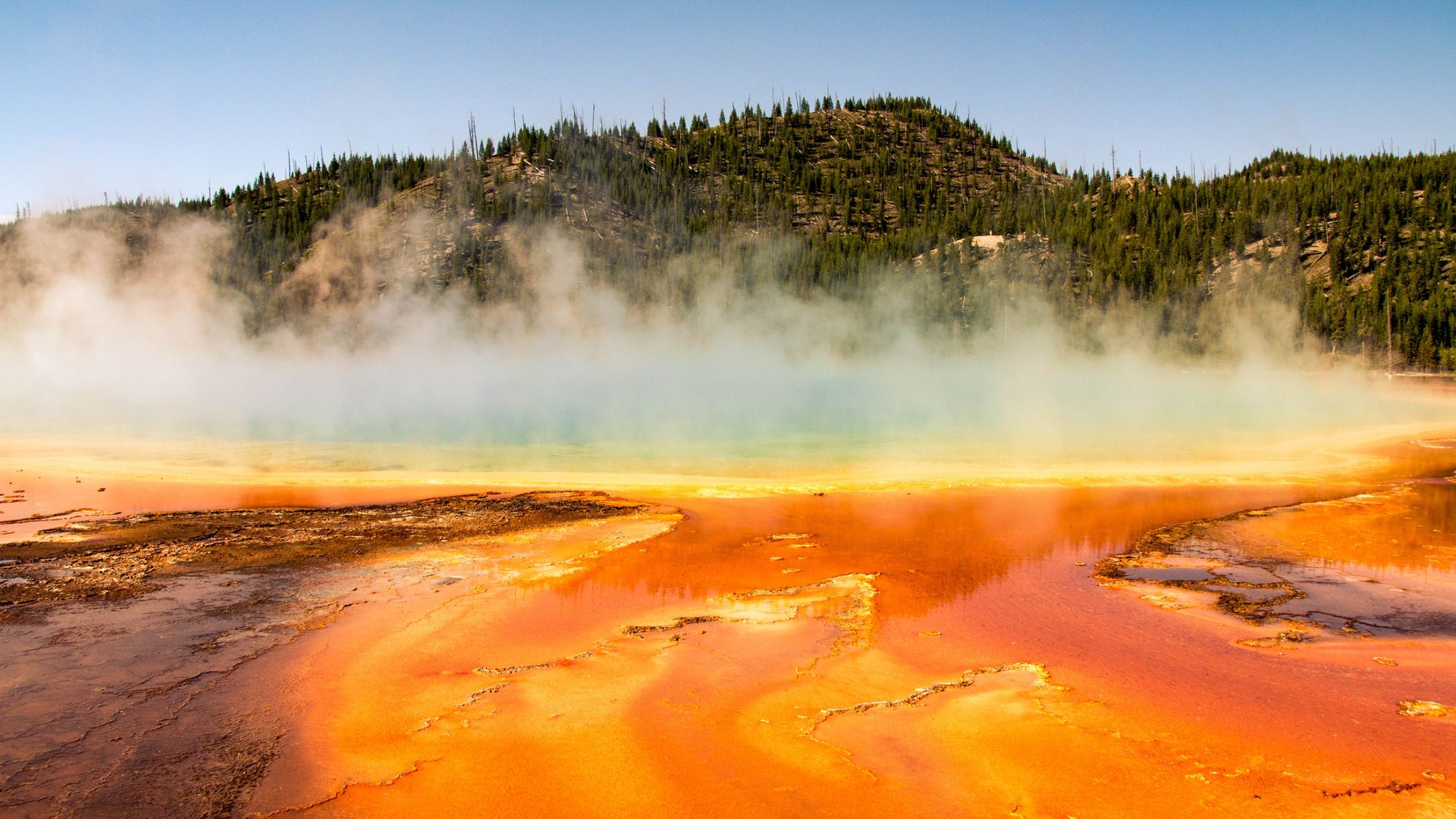
地球上最受关注的火山系统之一迎来新模型
黄石著名的火山系统的运作方式,可能与许多科学家一直以来的假设不同。根据所提供的来源材料,新的研究表明,该地区的喷发更可能由地壳变化驱动,而不是由来自地下深处的大型岩浆库上涌所驱动。如果这一解释成立,将改变研究人员对黄石内部“管道系统”的理解,以及未来喷发模型应如何构建。
这项研究进入了关于黄石火山活动来源的长期争论。一种观点认为,黄石下方存在一股来自深部地幔柱的极热物质,向上加热地壳并为火山活动提供能量。另一种观点则认为,更重要的力量存在于地壳和上地幔本身之中,在那里,压力、结构和构造行为决定了岩浆如何生成、储存和被调动。
正如来源文本所概述的那样,这项新研究更倾向于第二种解释。这并不意味着黄石不再重要,也不意味着它不再复杂。相反,这意味着该系统比起一个简单的深部垂直通道图景,更依赖于地壳的行为。
这对灾害科学为何重要
黄石不仅是一个科学上的好奇对象。由于其历史和潜在后果,它是地球上被最密切监测的火山区之一。来源文本指出,在过去210万年中,该地区发生过三次大喷发,最近一次发生在63.1万年前,形成了如今面积超过30英里的破火山口。
因此,任何理解上的变化都远不只是学术地质学的问题。如果火山主要受到地壳变动的影响,那么预测其未来行为就需要仔细关注地壳本身的动力学:其厚度、应力状态,以及物质如何随时间重新分布。来源材料中,研究合著者 Lijun Liu 表示,未来的喷发模型必须考虑这一修订后的“管道”图景。
这一表述意义重大,因为灾害模型的好坏取决于其假设是否正确。如果科学家采用了错误的基本架构来理解热量和熔融物质如何在系统中迁移,那么关于压力可能在哪里积聚、地面如何变形,或者异常活动信号意味着什么的预测,都可能需要调整。

黄石之下更深层的争论
地幔柱概念长期以来具有直观吸引力。它为解释黄石为何在远离板块边界、却仍处于强烈火山活动之上,提供了相对清晰的说明,而板块边界通常与许多其他大型火山带有关。然而,直观的解释并不总是完整的,尤其是在地壳结构异常薄弱且动态变化的系统中。
所提供的来源文本强调,黄石位于地壳相对较薄的地区。这一地质背景为替代模型提供了空间,即地壳过程可能比此前认为的发挥更大作用。它也意味着,该系统可能响应的是分布在岩石圈内的力量,而不是主要受单一深部来源控制。
这种差异并非只是语义上的区别。由地幔柱主导的系统与由地壳主导的系统,在长期尺度上的行为可能不同,熔体积累的模式可能不同,异常活动如何发展也会有不同预期。正如 Yellowstone Volcano Observatory 的 Jamie Farrell 在来源文本中所说,这些不同假说的后果,决定了科学家未来会对黄石火山系统抱有什么样的预期。
新的解释会带来什么变化
如果黄石更多由地壳变动驱动,那么火山系统就不再像一个由下方持续供给的简单储库,而更像一个嵌入在不断变化地壳中的响应式网络。这可能影响研究人员对地震活动、地表形变和地热变化的解读,也可能影响他们如何将黄石的火山历史与该地区更广泛的构造条件联系起来。
重要的是,这并不意味着根据所提供文本,重大喷发会突然更可能或更不可能发生。来源材料并没有这样宣称,负责任的解读也不应跨出这一步。它所表明的是,科学家可能需要修订他们用来建模黄石行为的物理框架。
即使这种变化不会立刻带来关于风险的头条新闻,它仍然可能非常重要。更好的模型能改善监测。更好的监测能改善解读。而更好的解读能帮助官员和研究人员区分普通背景扰动与值得进一步关注的信号。

科学如何进步的提醒
黄石已经被研究了几十年,但其内部运作仍处于不断修正之中。这提醒我们,标志性系统并不一定因为知名就已被完全理解。尤其在地球科学中,进步往往来自用更复杂但更准确的图景取代过于整齐的解释。
来源文本所描述的新研究似乎正是如此。它挑战了一种熟悉的解释,并认为地壳本身可能承担了更多工作。如果后续分析支持这一模型,未来针对黄石的研究将需要把构造和地壳动力学视为核心,而不是次要因素。
就目前而言,最重要的收获不是恐慌,而是更精确的理解。黄石仍然是一个重要的火山系统,拥有漫长而影响深远的历史。变化的,或许是科学家用来理解其行为方式的地图。在地质学中,这类概念性的转变与新的测量一样重要,因为它改变了研究人员下一步要提出的问题。
本文基于 Live Science 的报道。阅读原文。
Originally published on livescience.com