A rare bird’s rebound hits a new benchmark
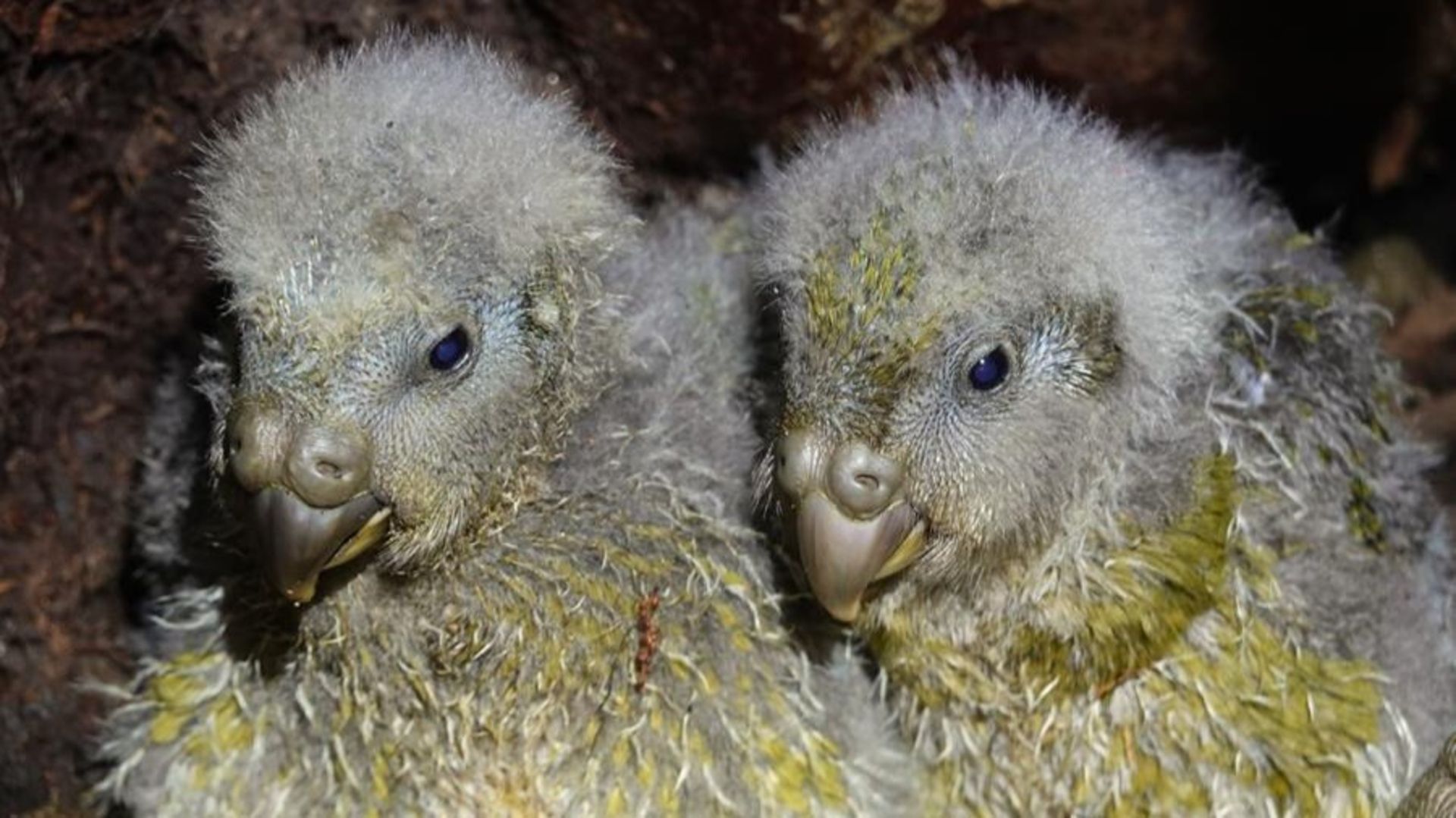
One of the world’s most improbable conservation stories has reached a new high. New Zealand’s kākāpō recovery effort has recorded the 105th chick to hatch during the 2026 breeding season, according to the supplied source material, marking the highest number reported since records began 30 years ago.
For a species that stood on the brink of extinction within living memory, that figure is more than a seasonal update. It is evidence that long-horizon conservation can produce measurable gains even for animals that seem almost impossibly vulnerable.
The kākāpō has long occupied a strange place in public imagination: a flightless parrot, nocturnal, heavy-bodied, and famous enough to be described in the source as the world’s fattest parrot. But the novelty can obscure the underlying reality. This is a critically endangered species whose survival has depended on intensive human intervention.
Why 105 chicks matters
The milestone stands out not simply because it is a record, but because it arrives after decades of recovery work. The source text notes that the species was on the verge of extinction about 30 years ago. Against that baseline, the 2026 breeding result suggests a population trajectory moving in the right direction, at least in the near term.
Breeding numbers are especially important for species recovery because they indicate more than simple survival. They reflect whether a population is replenishing itself with enough momentum to justify continued optimism. In the kākāpō’s case, every successful hatch matters because the total population remains limited and each new generation carries weight for the species’ future genetic and demographic stability.
That does not mean a single strong season resolves the long-term challenge. Conservation recoveries are rarely linear, and gains can be fragile. But a record breeding outcome changes the tone of the story. It shifts the focus from bare avoidance of extinction toward a more difficult question: how to convert periodic reproductive success into durable recovery.
A symbol of intensive conservation
The kākāpō’s survival has come to symbolize a style of conservation that is patient, highly managed, and expensive in effort. Species in this condition do not rebound on goodwill alone. They require repeated monitoring, careful protection, and a willingness to stay committed across decades rather than news cycles.
The supplied source material credits the milestone to New Zealand’s recovery program, and that is significant in itself. Record numbers do not happen by accident when a species has already been pushed to the edge. A breeding season like this reflects an institutional capacity to track birds closely enough to measure each hatch and to sustain the environmental conditions needed for reproduction to proceed.
Even when the underlying biology is the headline, the real story is partly organizational. Recovery programs have to persist through years that are less dramatic than this one. They need to maintain expertise, public legitimacy, and political support even when progress arrives slowly.
The broader scientific value
There is a reason recoveries like the kākāpō’s resonate beyond conservation circles. They provide real-world evidence about how complex ecosystems respond when humans decide not just to document decline but to intervene against it. In that sense, the species becomes more than an icon. It becomes a test of what deliberate biodiversity stewardship can accomplish.
The 2026 breeding season does not prove that extinction risk has disappeared. The source text supports no such claim. It does, however, support a more measured conclusion: a bird once nearly lost has now produced its most successful recorded breeding season in three decades of record-keeping.
That matters scientifically because endangered-species management often unfolds under uncertainty. A record year offers data points, not just inspiration. It can help shape future expectations for breeding potential, resource allocation, and how recovery planners think about the species’ trajectory.
Hope, with caution built in
The temptation with stories like this is to treat the record as a clean happy ending. That would flatten the reality. Endangered species remain endangered precisely because a good year does not erase the pressures that nearly destroyed them. Population bottlenecks, habitat constraints, and the unpredictability of future breeding cycles still matter.
But caution should not cancel significance. The achievement is real. A species described as nearly extinct 30 years ago has now crossed a record breeding threshold, and that did not happen by chance. It happened because a recovery effort stayed alive long enough to matter.
There is also an important cultural dimension to such milestones. Conservation often struggles to communicate progress because progress can be slow, technical, and partial. A number like 105 is concrete. It gives the public a way to understand that recovery is not just an aspiration. Sometimes it can be counted in newly hatched chicks.
A milestone worth taking seriously
Based on the supplied reporting, the most defensible conclusion is simple: the 2026 kākāpō breeding season is the strongest recorded in 30 years, and that is a major benchmark for one of the world’s most famous endangered birds. It does not guarantee permanent safety, and it does not eliminate the need for continued management. What it does show is that conservation, under the right conditions, can move a species from the edge of disappearance toward a more hopeful future.
For a flightless parrot that once seemed destined to become a cautionary tale, that is already a profound shift. The new record is not the end of the story. It is proof that the story is still being rewritten.
This article is based on reporting by Live Science. Read the original article.