A Window Into the ADHD Brain
Attention deficit hyperactivity disorder affects an estimated 366 million adults worldwide, yet its neurological mechanisms have resisted straightforward explanation. ADHD is not simply a deficit of attention — people with the condition can achieve intense focus on tasks they find intrinsically engaging, while struggling profoundly with tasks that require sustained, directed attention without inherent reward. A new study offers a compelling neurological explanation for part of this inconsistency.
Researchers have identified brief episodes of sleep-like brain activity occurring in ADHD individuals even during waking, cognitively demanding tasks. These transient neural states — lasting fractions of a second — are directly linked to the attention lapses, slower reaction times, and increased error rates that characterize ADHD in performance settings.
The Neural Signature
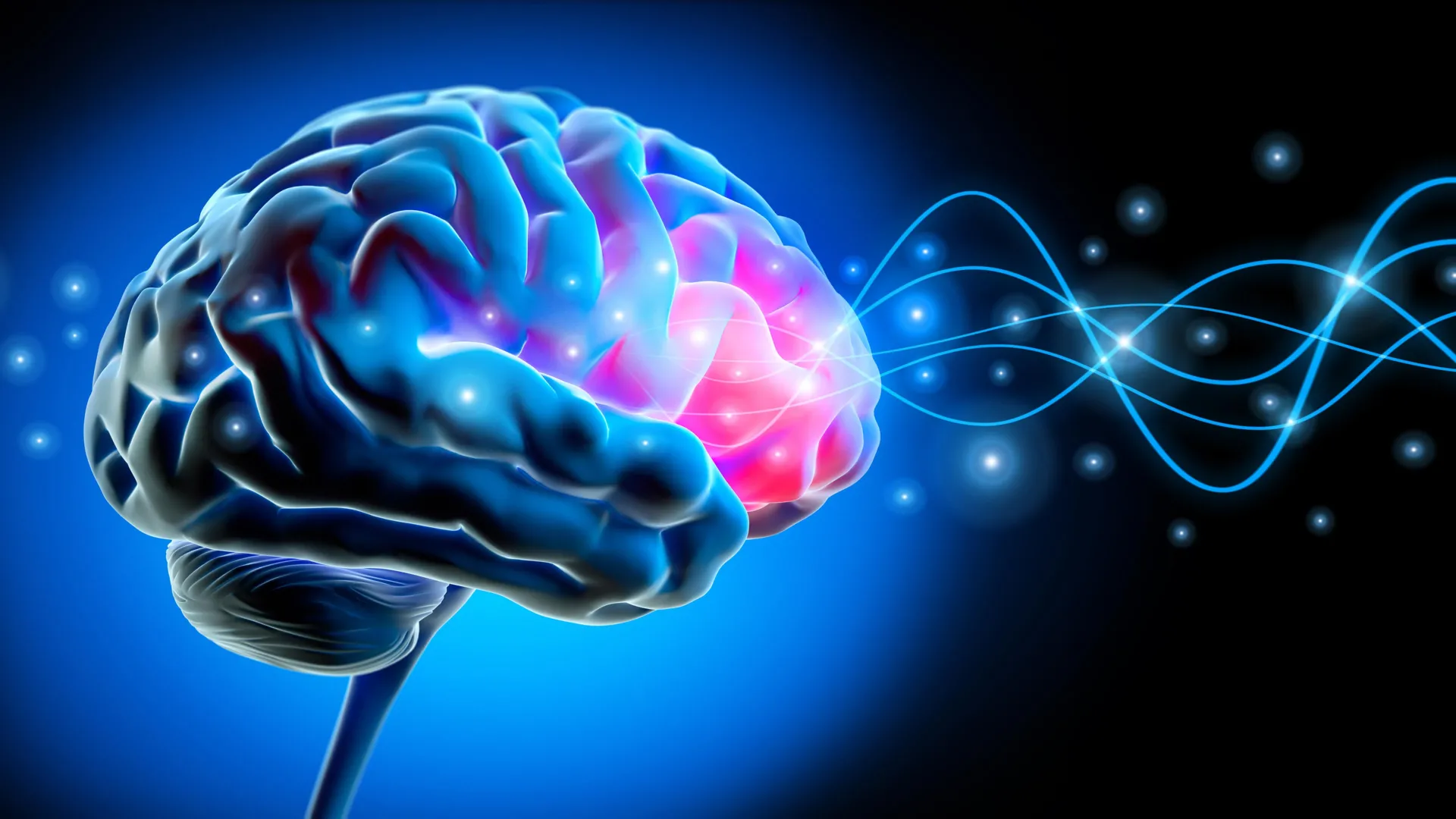
Using high-density EEG recordings to capture brain electrical activity with fine temporal resolution, the research team identified patterns of slow-wave activity — a hallmark of deep, non-REM sleep — appearing in brief bursts across frontal and parietal brain regions in ADHD subjects during a sustained attention task. These slow-wave intrusions were significantly more frequent in ADHD participants than in age-matched neurotypical controls performing the same task.
Critically, the slow-wave episodes were predictive of performance failures. When researchers analyzed trial-by-trial task performance, they found that errors and slow responses were systematically more likely to occur in the seconds following a slow-wave intrusion event. The brain, briefly in a sleep-like state, was not processing task-relevant information effectively — and the behavioral consequence was measurable.
Why This Happens
The researchers propose that the slow-wave intrusions reflect a failure of arousal regulation — the brain's inability to maintain the sustained alertness needed for demanding cognitive work. This connects to the dopaminergic and noradrenergic systems that are known to be dysregulated in ADHD; these neurotransmitter systems play central roles in regulating cortical arousal and maintaining vigilance.
This perspective reframes ADHD, at least in part, as an arousal regulation disorder rather than purely an attentional one. The brain is not simply failing to direct attention appropriately — it is periodically failing to maintain the basic level of wakefulness needed for cognitive engagement, even while the person appears behaviorally awake.
Implications for Treatment
The finding has potential implications for both pharmacological and behavioral treatment. Stimulant medications — methylphenidate and amphetamine compounds — are the most effective pharmacological treatments for ADHD and work primarily by increasing dopaminergic and noradrenergic signaling. The slow-wave intrusion model provides a mechanistic explanation for why stimulants work: they increase cortical arousal, suppressing the sleep-like intrusions that interrupt sustained attention.
For behavioral interventions, the research suggests that strategies targeting arousal regulation — including sleep hygiene optimization, structured physical activity, and attention training that incorporates arousal-boosting elements — may be valuable adjuncts to pharmacological treatment.
A Biomarker Possibility
The identification of a specific, measurable neural signature raises the possibility of using EEG-based biomarkers in ADHD diagnosis and treatment monitoring. Current ADHD diagnosis relies on behavioral assessment and clinical interview — a process that is inherently subjective. An objective neural marker that correlates with attentional performance could improve diagnostic precision, help distinguish ADHD subtypes, and provide an objective measure of treatment response.
This article is based on reporting by Science Daily. Read the original article.