A step toward same-day permanent ceramic crowns
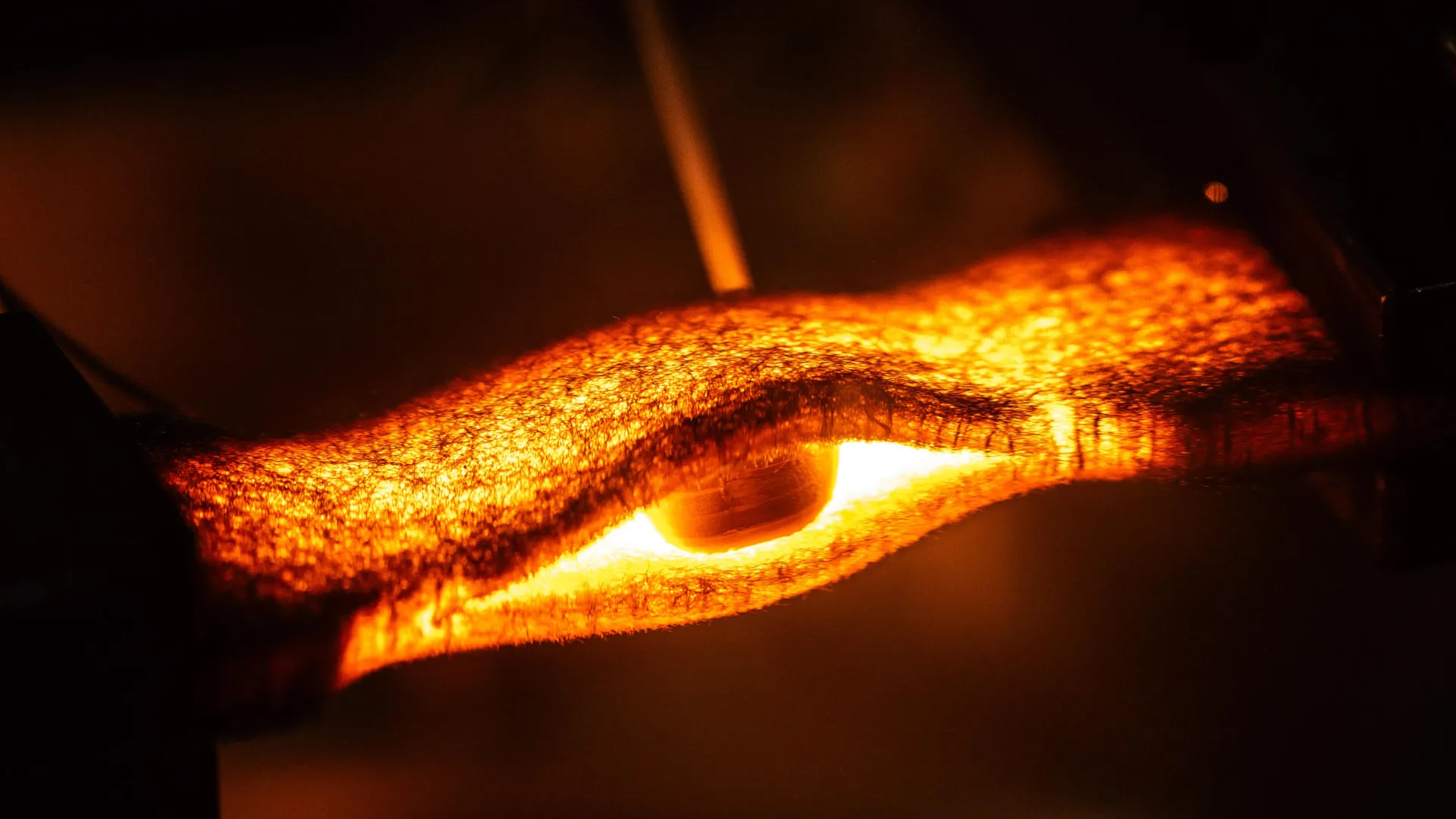
Researchers at the University of Texas at Dallas say they have developed a process that could dramatically speed up production of 3D-printed zirconia dental restorations, cutting processing time from as much as 100 hours to under 30 minutes. If the approach proves commercially viable, it could change how permanent crowns and related restorations are made in dental clinics, making customized same-day treatment more practical.
The advance matters because zirconia occupies a special place in dentistry. It is widely regarded as a gold-standard material for permanent dental work because of its strength and durability. Yet those same advantages have not translated into fast chair-side 3D printing. Clinics can already offer same-day restorations in some cases, but when zirconia is used, the workflow has typically depended on milling rather than additive manufacturing. That limits some design flexibility and can introduce material stresses during fabrication.
The UT Dallas team is now working, with support from the National Science Foundation, toward commercialization of the technology for crowns, bridges, veneers, and other restorations. The prospect is straightforward but significant: a dentist could eventually scan a patient, produce a custom zirconia part in the office, and deliver a permanent restoration in a single visit.
Why zirconia has been hard to print quickly
Dental crowns are caps placed over damaged or decayed teeth, and they are also used to support bridges. In recent years, 3D printing has become increasingly attractive for dental manufacturing because it can improve customization, reduce waste, and potentially streamline production. But not all dental printing materials are equal.
According to the researchers, same-day 3D-printed crowns currently available are generally made from ceramic resins rather than zirconia. Those resin-based options can be produced quickly, but they do not offer the same strength as zirconia. That distinction limits their role when patients need a permanent restoration that can withstand long-term use.
Zirconia itself poses a manufacturing challenge. Traditional processing can be slow, and the material is difficult to 3D print in a way that preserves performance while keeping turnaround times short enough for routine clinical use. Existing same-day zirconia restorations are often milled from solid blocks instead. Milling is established and effective, but it comes with tradeoffs. Carving a shape from a block can restrict geometric complexity, and the process can create a risk of micro-cracking during milling or sintering.
The UT Dallas work targets one of the main bottlenecks that has kept printed zirconia from matching the speed expected in a modern dental office. A reduction from multi-day processing windows to under half an hour would not simply be an incremental improvement. It would reposition zirconia printing from a lab-oriented process to something that could plausibly fit within an appointment schedule.
What same-day zirconia printing could change in practice
If the method can be translated from the lab to real clinics, the first obvious benefit would be convenience. Patients needing a permanent crown often face a sequence of visits, temporary restorations, and waiting periods while a final part is produced. A same-day printed zirconia workflow could compress that process substantially.
For clinicians, speed alone is only part of the appeal. Because 3D printing is additive rather than subtractive, it can potentially support more complex custom designs than milling from a solid block. That may allow more precise adaptation to patient anatomy and clinical requirements. The source material also notes that printing can improve efficiency and reduce material waste, which could matter economically if chair-side systems become widely available.
There is also a personalization argument. UT Dallas professor Majid Minary said the approach could offer greater personalization, faster treatment, and the convenience of receiving a permanent restoration in a single visit. That combination is what makes the development commercially interesting. Dentistry is highly sensitive to workflow friction. A technology that improves fit, shortens treatment, and reduces the need for temporary work has clear practical value if reliability and cost line up.
Still, speed gains only matter if the end result remains clinically strong. Zirconia’s appeal comes from durability, not novelty. Any printing process intended to replace or complement milling will have to demonstrate that the final restorations hold up under real use and maintain the mechanical qualities dentists expect from the material.
Why the research points to a manufacturing shift, not just a faster tool
The broader significance of the work is that it could help move dentistry further from mass-fabrication logic toward on-demand digital manufacturing. Dental care has long been a strong candidate for that shift because every restoration is patient-specific, imaging is already deeply embedded in workflows, and clinics have economic incentives to reduce outsourcing delays.
What has held back that vision is not the idea of customization but the limitations of materials and process times. Resin printing can be fast, but it does not fully substitute for permanent ceramics in all use cases. Milling can produce durable zirconia restorations, but it is constrained by the physics of subtractive machining and the handling demands of the material. A successful chair-side zirconia printing process would narrow that gap by combining the digital flexibility of additive manufacturing with the performance profile clinicians want from permanent ceramics.
That would also have implications beyond crowns. The researchers said they are targeting bridges, veneers, and other restorations as well. If the underlying process is adaptable across those categories, dental practices could eventually use a broader in-office manufacturing stack instead of routing more work to external labs or relying on multiple fabrication methods.
Commercialization support from the NSF suggests the team is not treating the work as a purely academic exercise. The next challenge will be proving that the process can be packaged into a dependable clinical product. That includes machine design, quality control, repeatability, integration with dental scanning and design software, and regulatory pathways. In other words, the science may be promising, but the market outcome will depend on whether the technology can be turned into a tool busy practices trust.
What to watch next
The UT Dallas announcement does not claim that dentists can immediately install this capability in their offices. It describes a technical advance with commercialization efforts underway. That distinction matters. Many laboratory breakthroughs stumble when they encounter real-world requirements for consistency, training, and economics.
Even so, the reduction in processing time is large enough to deserve attention. Cutting a workflow from up to 100 hours to less than 30 minutes changes the conversation from eventual possibility to plausible near-term application. In medical manufacturing, order-of-magnitude reductions often matter more than small efficiency gains because they open entirely new operating models.
For dentistry, one of those models is clear: permanent ceramic restorations produced in the same place and on the same day as diagnosis and preparation. If UT Dallas and its collaborators can bring that model to market without compromising the durability that makes zirconia valuable, the dental crown of the future may indeed be something a patient receives before leaving the chair.
This article is based on reporting by Science Daily. Read the original article.
Originally published on sciencedaily.com