Overview of the Incident
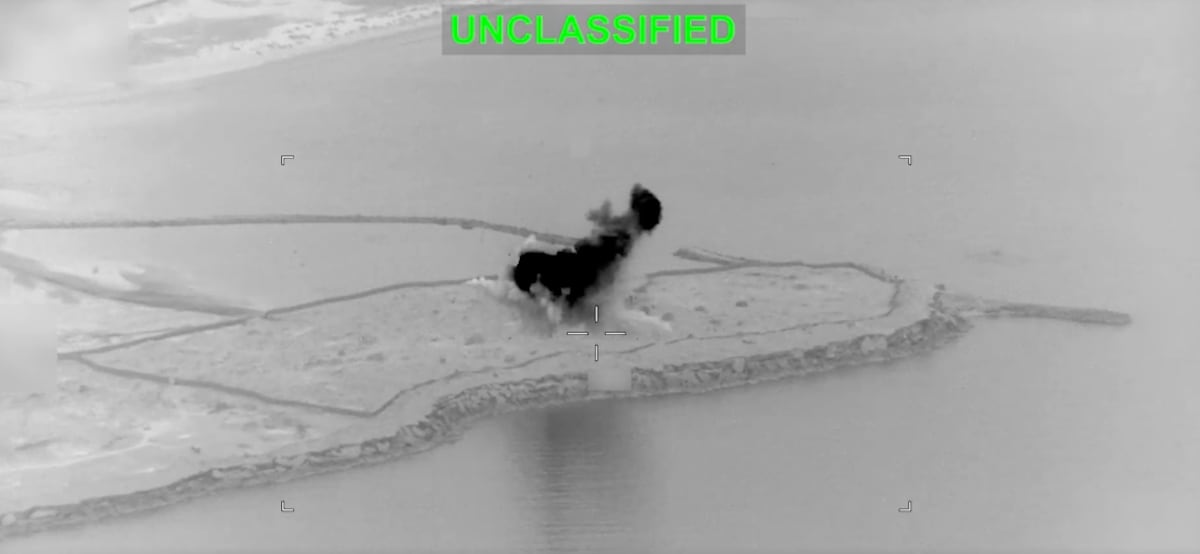
On Saturday, U.S. forces struck Iranian coastal radar sites after shooting down four drones launched by Iran toward the Strait of Hormuz, according to the U.S. military. The strikes targeted Iranian surveillance sites in Goruk and on Qeshm Island, both located on the strategic waterway. The U.S. Central Command stated that the action was taken in response to the drone launch, which it believed was aimed at regional maritime traffic.
Iranian Response and Accusations
Iran's foreign ministry condemned the U.S. strikes, claiming they violated an April 8 ceasefire. The ministry accused Washington of having no intention to reduce tensions and warned that the United States would bear responsibility for the consequences of its "illegal actions" and any further escalation. Iran's Revolutionary Guard Corps (IRGC) announced that it had attacked U.S. bases in Kuwait and Bahrain in retaliation, and fired at four tankers attempting to cross the Strait of Hormuz without permission.

Impact on Regional Countries
Kuwait's army reported that it engaged seven ballistic missiles that entered its airspace early Saturday morning, with debris falling over residential areas. The attack caused material damage but no casualties. In Bahrain, sirens sounded and residents were urged to seek shelter. Both Kuwait and Bahrain condemned the Iranian attacks, with Kuwait's foreign ministry describing them as "blatant" aggression threatening citizens, residents, and regional security.
U.S. Assessment of Iranian Attacks
The U.S. military stated that six of the missiles launched by Iran were intercepted, and a seventh failed to reach its target. This assessment contradicted Iran's claim of successfully hitting U.S. bases in Kuwait and Bahrain. The incident marks a significant escalation in the ongoing conflict between the two nations.
Diplomatic Efforts and Mediation
Pakistan has been mediating an end to the conflict, and its interior minister, Mohsin Naqvi, was reported en route to Tehran on Saturday. A Pakistani source indicated that Naqvi would carry a message from Pakistan to Iranian Supreme Leader Mojtaba Khamenei. The U.S. and Iran have been engaged in largely indirect negotiations to secure an interim deal to halt the three-month-old war, but a deal has remained elusive amid periodic skirmishes.
Strategic Importance of the Strait of Hormuz
Iran has effectively blocked the Strait of Hormuz, through which about a fifth of the world's oil transited before the war. Tehran seeks access to billions of dollars in oil revenue, waivers on sanctions for crude exports, the lifting of a U.S. blockade on its ports, and leverage over the strait. The ongoing conflict has contributed to rising gas prices, putting domestic political pressure on U.S. President Donald Trump to bring the unpopular war to an end.

Conclusion
The latest exchange of strikes and counter-strikes underscores the fragility of the ceasefire and the challenges facing diplomatic efforts. With Pakistan attempting to mediate and both sides entrenched in their positions, the path to de-escalation remains uncertain. The international community watches closely as the situation in the Gulf continues to evolve.
This article is based on reporting by Defense News. Read the original article.
Originally published on defensenews.com