Blockade Stays in Force Despite Preliminary Deal
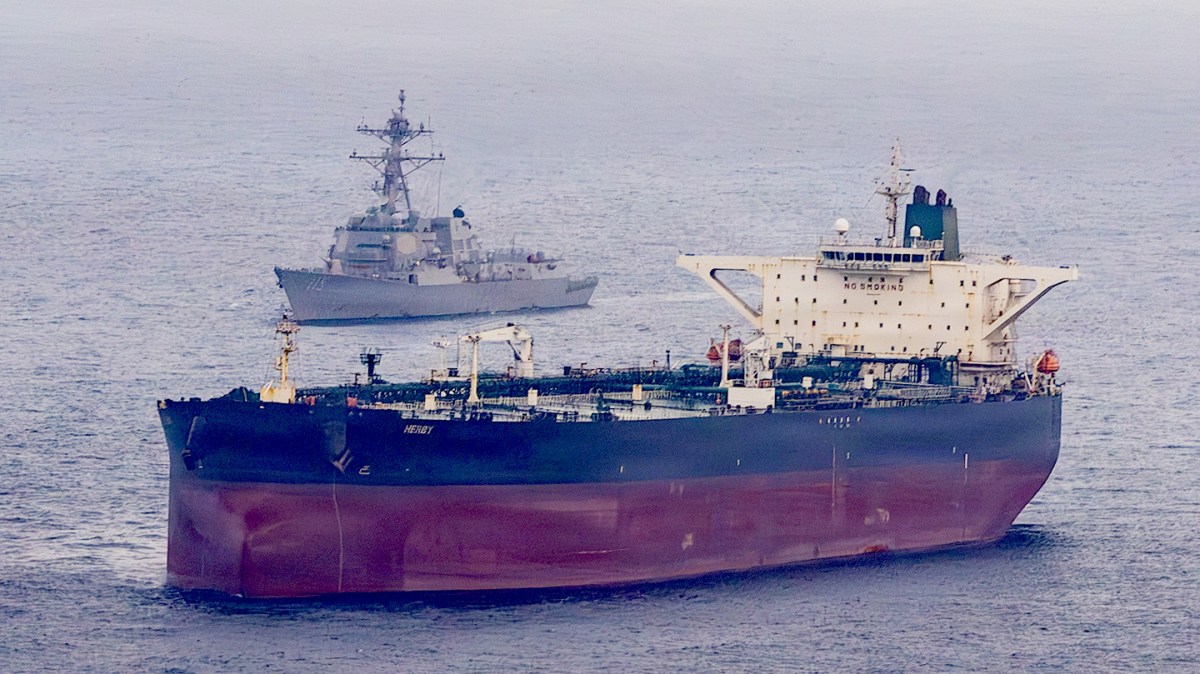
The United States is keeping its naval blockade of Iranian ports in place until at least Friday, even after Washington and Tehran reached a preliminary agreement aimed at ending their war. According to a source familiar with operations cited by The War Zone, the blockade that began on April 13 is expected to remain active until the two sides sign a memorandum of understanding.
That detail matters because public statements about the deal had created uncertainty over what was changing immediately and what still depended on follow-through. The source said the blockade remains ongoing for now, while commercial shipping firms, the United Nations and a maritime security company are taking a wait-and-see approach rather than revising guidance based on political announcements alone.
Shipping Reality Still Looks Risky
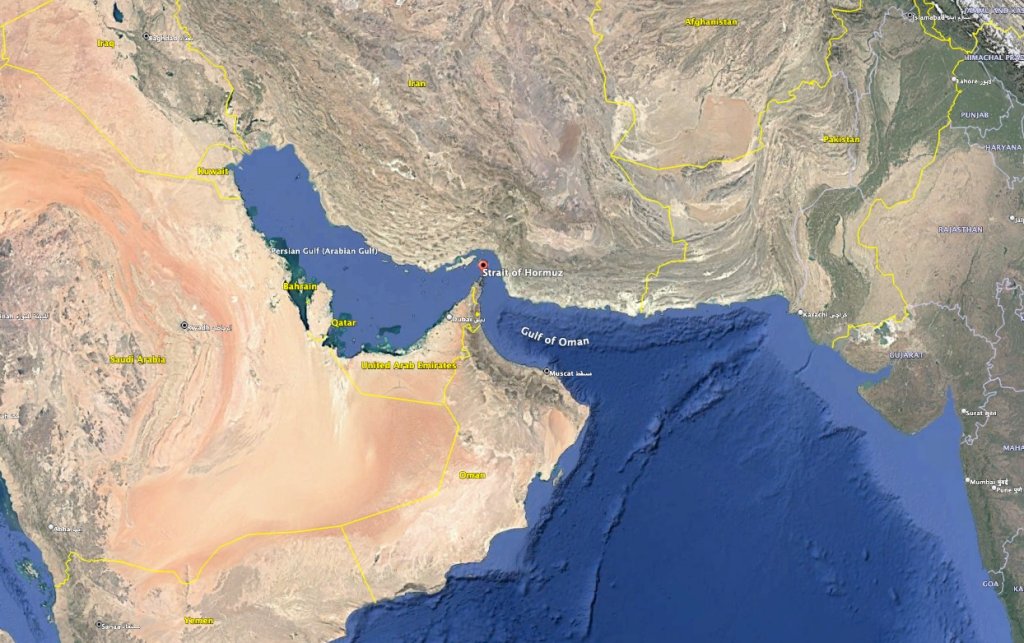
The immediate obstacle is that maritime traffic cannot return to normal simply because diplomats say a framework exists. President Donald Trump has said the Strait of Hormuz needs to be fully de-mined, while Iranian officials have indicated they still intend to impose transit fees. That means any reopening of one of the world’s most important oil chokepoints remains conditional on both physical security work and the terms of a broader political settlement.
The source quoted by The War Zone did not say whether U.S. forces would fire on ships attempting to run the blockade or continue relying on redirection and disabling tactics used so far. But U.S. Central Command has already described the effort in concrete terms. As of June 12, CENTCOM said it had redirected 139 compliant commercial ships and disabled nine vessels that did not comply with the blockade.
Those figures underline that this is not a symbolic operation. It is an active maritime control mission with direct implications for shipping routes, insurance calculations and energy markets. Even a partial restoration of transit through the Strait would leave operators balancing official optimism against the risk of mines, military enforcement and shifting rules imposed by Iran.

Oil and Trade Pressures Remain in Focus
Iran had closed the Strait to most shipping after coming under attack by the United States and Israel on February 28. That disruption fed directly into the global economy by pushing oil prices higher, reinforcing how closely energy markets track security conditions in the Gulf. Any real easing would therefore carry effects far beyond the immediate combat zone.
But the gap between a preliminary agreement and normal commercial activity is still wide. Demining operations, unresolved transit conditions and uncertainty over enforcement mean the maritime picture remains unstable. Shipping companies and international bodies appear to be treating the Friday signing target as the next meaningful checkpoint rather than assuming that the announced deal has already changed conditions on the water.
Why Friday Matters
If the memorandum of understanding is signed as expected, it could mark the first formal step toward ending one of the most consequential interruptions to Gulf shipping in years. Yet the current U.S. posture shows that Washington is not willing to unwind leverage before a document is in place. The sequencing suggests the blockade has become both a military instrument and a negotiating tool.
That approach also reflects the practical logic of maritime security. Reopening a strait after conflict requires more than declarations. Mines must be cleared, insurers must reassess risk, vessel operators must regain confidence and navies must decide how to police a still-fragile environment. Until then, the blockade remains the clearest signal that the war may be moving toward a settlement, but the commercial and military system around the Strait of Hormuz has not yet returned to normal.
This article is based on reporting by twz.com. Read the original article.
Originally published on twz.com