Incident Overview: Apache Downed Over the Strait of Hormuz
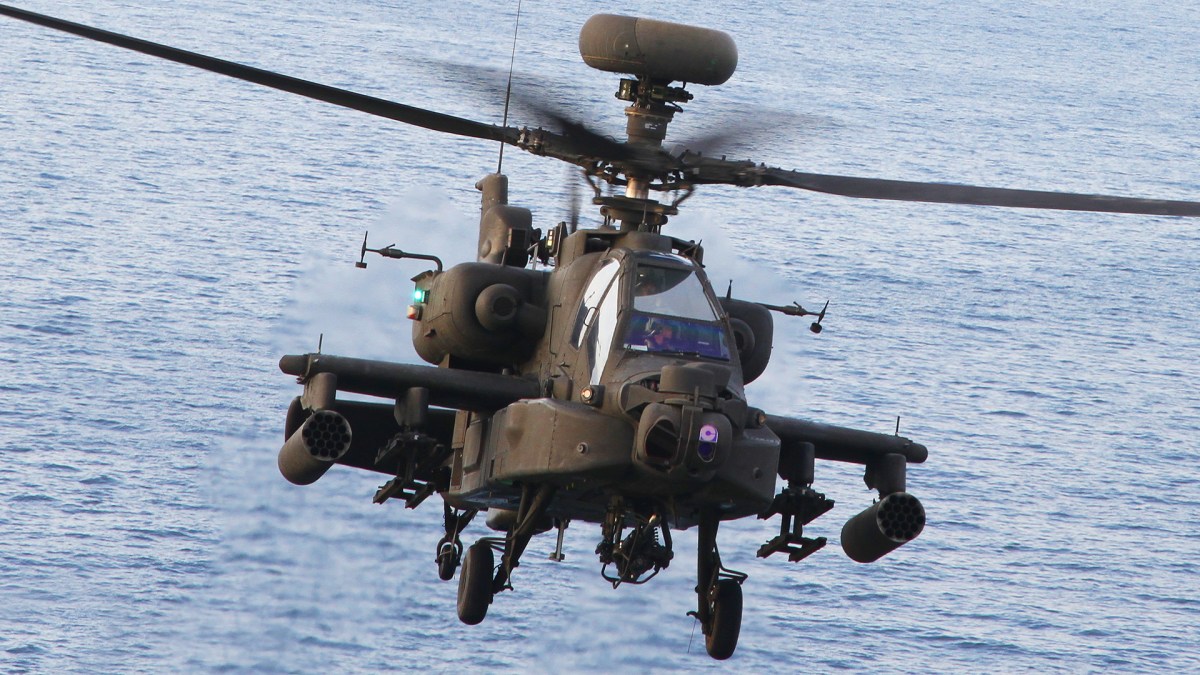
On June 9, 2026, a U.S. Army AH-64 Apache attack helicopter crashed into the Gulf of Oman near the Strait of Hormuz. President Donald Trump immediately blamed Iran, stating on Truth Social that Iranian forces shot down the aircraft while it was patrolling the strategic waterway. The crew of two pilots was safely rescued by an unmanned drone boat—an unprecedented operation that highlights the evolving role of autonomous systems in military search and rescue.
The crash occurred overnight, and the exact details of the shoot-down remain under investigation. Trump did not specify the type of weapon used, but U.S. officials have pointed to the possibility of an Iranian drone strike. A U.S. official told Axios that the investigation determined an Iranian drone hit the helicopter, though it has not yet been confirmed whether the strike was intentional. This ambiguity adds a layer of complexity to an already volatile situation.
Trump's Response: A Promise of Retaliation
In a series of posts on Truth Social, Trump declared that the United States must respond to what he called an attack by Iran. “I have just been informed by our Great Military that last night the Iranians shot down one of our highly sophisticated Apache Helicopters while patrolling over the Strait of Hormuz,” he wrote. “There were two pilots involved, both are safe and uninjured. Nevertheless, the United States must, of necessity, respond to this attack.”
Trump did not outline specific retaliatory measures, but past U.S. responses to Iranian aggression in the region have included strikes on Iranian military facilities, naval assets, or proxy forces. Given the history of tensions—including previous incidents where Iran fired on ships—a military response targeting Iranian air defense or drone capabilities is plausible. The president’s rhetoric suggests a firm stance, but the scale and nature of the retaliation remain to be seen.
Context: Rising Tensions and a Fragile Ceasefire
The incident occurs against a backdrop of heightened U.S.-Iran tensions. Last week, Trump told reporters he would consider resuming hostilities if Iran caused U.S. troop deaths. “Yeah, if they killed U.S. troops, I think I would do that very quickly,” he said. The Apache shoot-down, while not resulting in fatalities, directly threatens U.S. personnel and could be seen as a test of that resolve.
The region has been under a shaky ceasefire, and this event may push both sides closer to open conflict. Iran’s use of small boats equipped with man-portable air defense systems (MANPADS) and loitering munitions—including FPV drones—poses a persistent threat to low-flying helicopters. The Apache, while heavily armored, is vulnerable to such weapons, especially in the confined airspace near the Strait of Hormuz.
Drone Boat Rescue: A Milestone in Autonomous Operations
The rescue of the Apache crew by a drone boat marks a significant milestone in military robotics. While details of the specific vessel have not been released, the operation demonstrates the growing capability of unmanned systems to perform complex missions, including search and rescue in contested environments. This event could accelerate investment in autonomous platforms for both combat and humanitarian roles.
The use of a drone boat also highlights the dual-use nature of emerging technologies. Iran itself has employed drones and small boats for asymmetric warfare, and the U.S. response may involve counter-drone systems or offensive strikes against Iranian drone infrastructure. The incident underscores the rapid evolution of warfare in the Persian Gulf, where unmanned systems are becoming central to both attack and defense.
International and Strategic Implications
The shoot-down has immediate implications for global oil markets, as the Strait of Hormuz is a critical chokepoint for petroleum shipments. Any escalation could disrupt shipping and drive up energy prices. Moreover, the incident tests the Trump administration’s policy of maximum pressure on Iran, which has included sanctions and military posturing. A retaliatory strike could draw in regional allies and adversaries, potentially widening the conflict.
Iran has not officially commented on the incident, but its state media may frame the shoot-down as a defensive action against U.S. aggression. The lack of clarity on whether the drone strike was intentional leaves room for diplomatic maneuvering, but Trump’s vow of retaliation suggests a military response is imminent. The international community will be watching closely, as any miscalculation could lead to a broader war.
Conclusion: A Dangerous Precedent
The downing of the AH-64 Apache and the subsequent rescue by a drone boat represent a new chapter in U.S.-Iran tensions. Trump’s promise to retaliate sets the stage for a potential escalation, while the use of autonomous systems for rescue points to a future where unmanned platforms play a larger role in conflict. As investigations continue, the world awaits the next move from both Washington and Tehran.
This article is based on reporting by twz.com. Read the original article.
Originally published on twz.com