Introduction
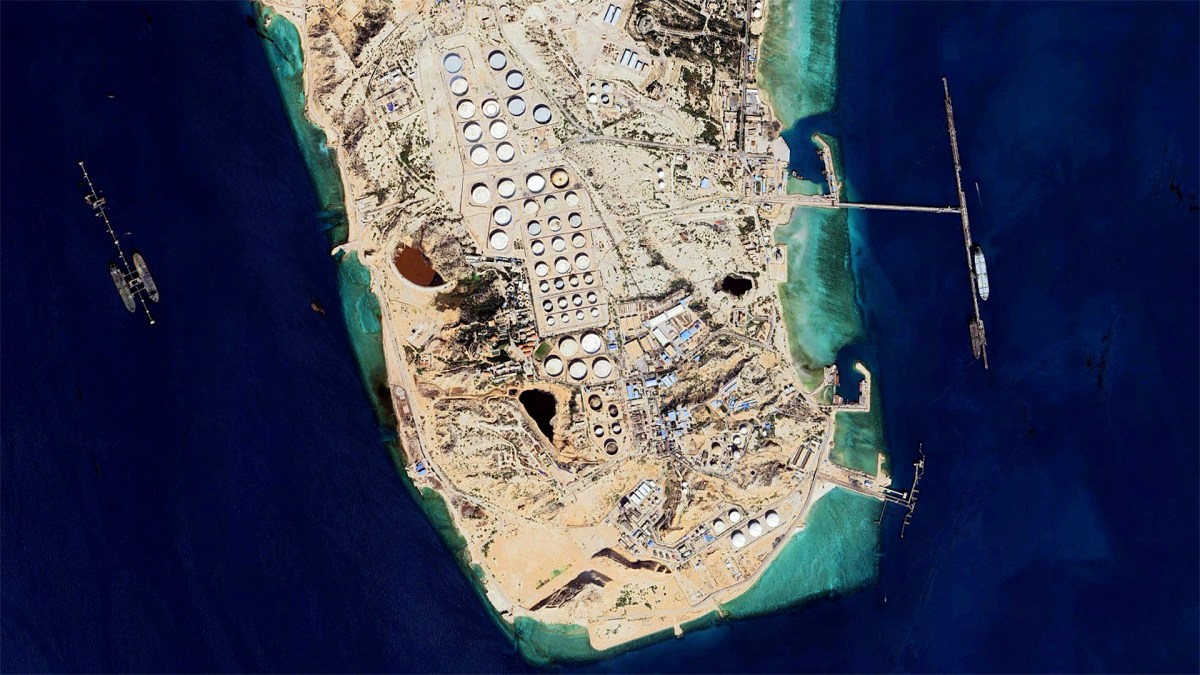
Kharg Island, the linchpin of Iran's energy exports, has once again become a flashpoint in U.S.-Iran relations. President Donald Trump recently declared his intent to seize the island, only to later temper his remarks. The statement came amid the most intense round of tit-for-tat attacks since the April 8 ceasefire, including U.S. Tomahawk strikes and Iranian missile and drone attacks on American bases. To understand the feasibility of such an operation, we consulted former military leaders who provided a sobering assessment of what it would take to capture and hold Kharg Island.
The Strategic Importance of Kharg Island
Kharg Island is Iran's primary oil export terminal, handling the vast majority of the country's crude shipments. Its seizure would deliver a devastating blow to Iran's economy and its ability to fund military operations. However, the island is heavily fortified, with air defense systems, naval assets, and a garrison of elite Islamic Revolutionary Guard Corps (IRGC) troops. Any attempt to take it by force would be an extremely risky operation, according to former commanders.
Military Requirements for Seizure
Former military leaders emphasized that a successful assault would require a massive joint operation involving air, naval, and ground forces. Key elements include:
- Air Superiority: Establishing air dominance over the Persian Gulf to neutralize Iranian air defenses and provide close air support. This would involve strikes on radar sites, missile batteries, and airfields.
- Naval Blockade: Deploying a carrier strike group and submarines to prevent Iranian naval reinforcements and to interdict any attempts to mine the surrounding waters.
- Amphibious Assault: Landing Marine Corps or Army units via hovercraft, helicopters, and landing craft to secure the island's beaches and infrastructure.
- Special Operations: Conducting pre-assault raids by Navy SEALs or Delta Force to disable key defenses and secure the oil terminal's control systems.
The operation would likely involve tens of thousands of personnel and could take weeks of preparation. Even then, success is not guaranteed.
Challenges of Holding the Island
Capturing Kharg Island is only half the battle. Holding it against Iranian counterattacks would be equally daunting. Iran could employ asymmetric tactics such as:
- Missile and Drone Strikes: Iran has a large arsenal of ballistic missiles and drones that could target the island from mainland launch sites.
- Naval Mines: Seeding the waters around the island to disrupt supply lines and reinforcements.
- Proxy Forces: Using militias in Iraq and Yemen to attack U.S. assets in the region.
- Cyber Attacks: Targeting the oil terminal's control systems to disrupt exports.
Former commanders noted that maintaining a garrison on the island would require a sustained logistical effort, including air defense coverage, naval patrols, and a robust counter-mine capability. The cost in lives and resources could be enormous.
Political and Economic Ramifications
Seizing Kharg Island would have profound economic and political consequences. It could cause a spike in global oil prices, disrupt tanker insurance markets, and provoke a broader conflict with Iran. Moreover, it would likely alienate U.S. allies in the region who depend on stable energy flows. Trump's suggestion that the U.S. could assume control of Iran's oil markets, similar to its approach in Venezuela, drew skepticism from experts who note the vastly different geopolitical contexts.
Conclusion
While President Trump's rhetoric about seizing Kharg Island may be intended as a negotiating tactic, the military reality is stark. Former military leaders agree that such an operation would be one of the most complex and dangerous undertakings since the invasion of Iraq. The island's defenses, Iran's ability to retaliate, and the global economic fallout make it a high-risk venture that would require overwhelming force and a long-term commitment. As tensions continue to simmer, the question remains whether the U.S. is prepared to pay the price for control of Iran's oil lifeline.
This article is based on reporting by twz.com. Read the original article.
Originally published on twz.com