Aerial drone experience is being aimed at the waterline

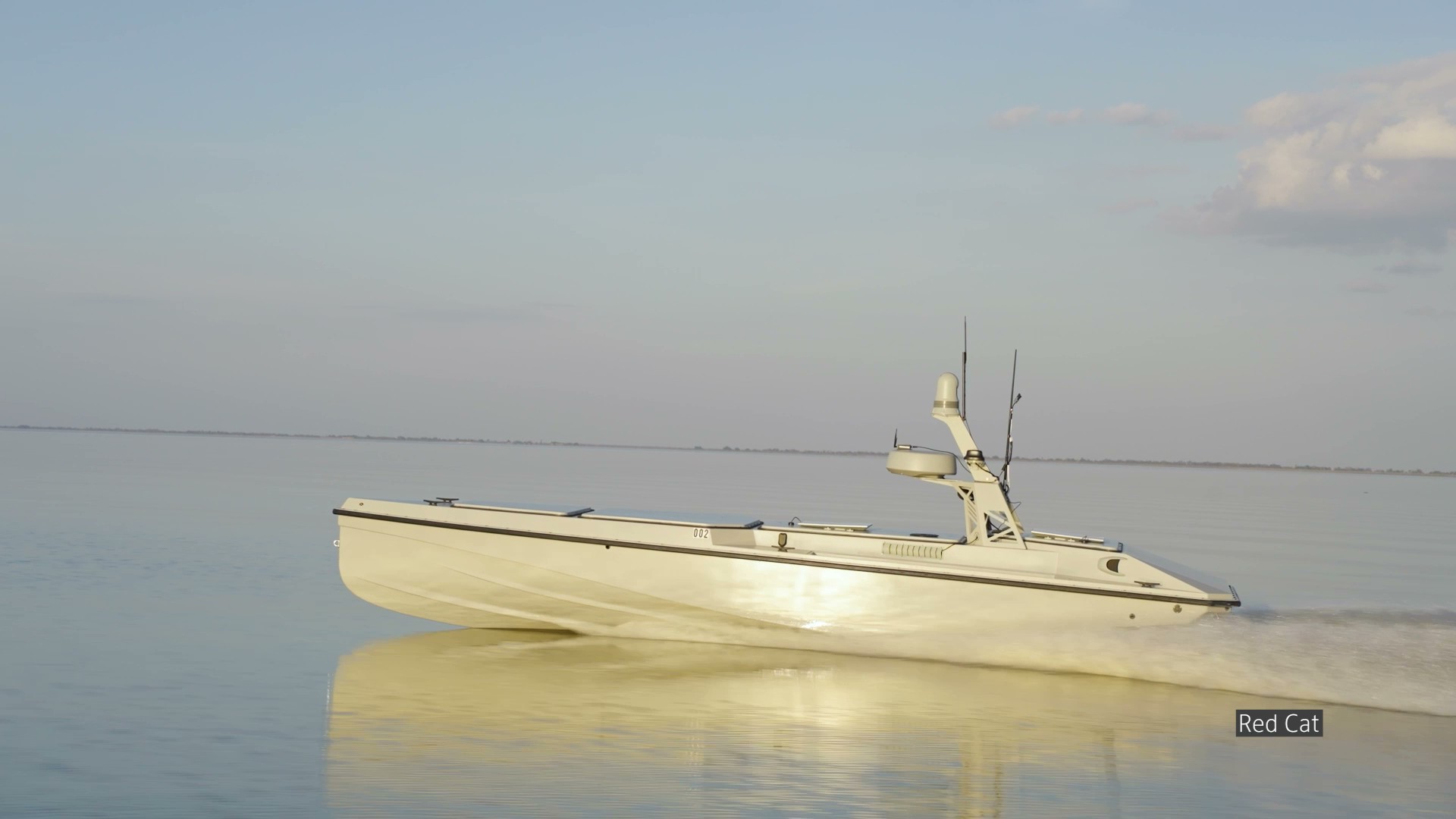
Red Cat, a company better known for aerial drones, has launched Blue Ops, a new business focused on unmanned surface vessels, according to a sponsored briefing published by Breaking Defense. The pitch is straightforward: build surface drones as modular platforms that can carry sensors, weapons, and mission-specific systems, with an emphasis on intelligence, surveillance, reconnaissance, and counter-uncrewed-aircraft roles.

Even allowing for the promotional nature of the source, the move is worth watching because it reflects a broader defense-industry pattern. Autonomy is no longer being treated as a set of separate domains. Companies that began in the air are increasingly looking for ways to transfer manufacturing methods, autonomy software, and sensor integration into maritime platforms.

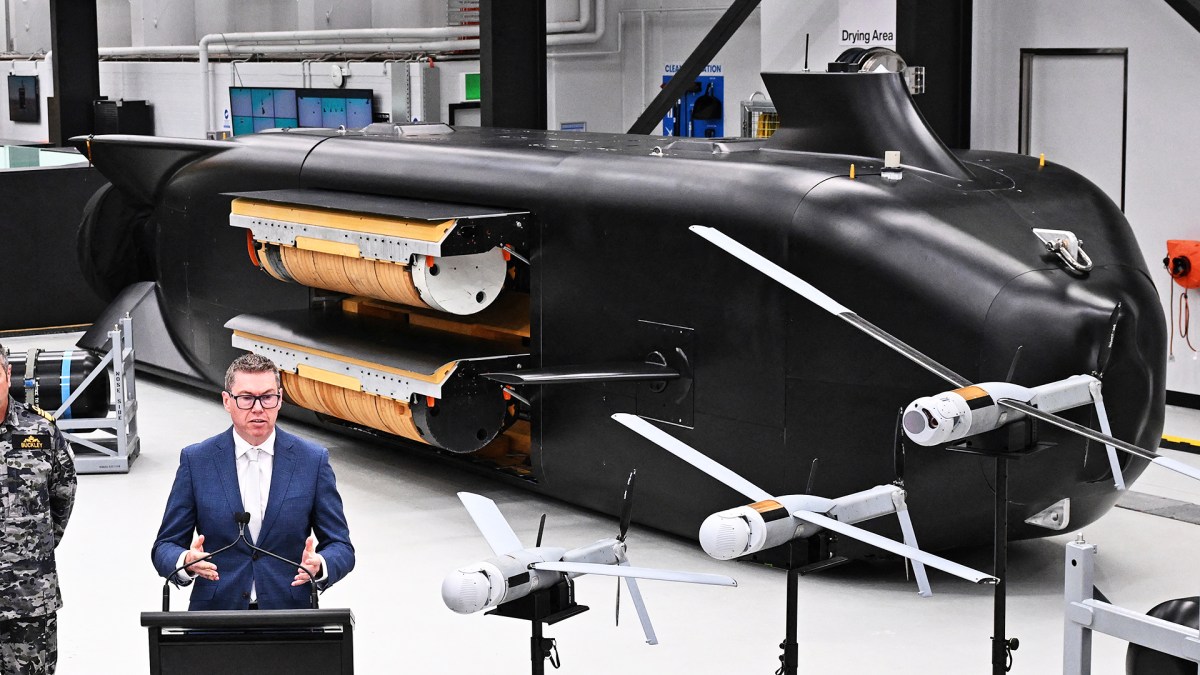
The Blue Ops framing is especially revealing. Its vessels are described as “modular trucks,” a phrase that implies the hull itself is not the final product so much as the carrier for interchangeable mission payloads. That approach mirrors how militaries increasingly want to buy and field unmanned systems: not as single-purpose assets, but as reusable platforms that can be reconfigured quickly as threats change.

ISR and counter-UAS are becoming standard unmanned missions

The two mission areas highlighted in the briefing, ISR and counter-UAS, are among the fastest-growing operational categories in today’s defense technology market. Intelligence and surveillance tasks suit unmanned surface vessels because they can persist in contested or hazardous areas without placing crews at direct risk. Equipped with sensors, they can extend coverage, watch chokepoints, and support broader maritime awareness.

Counter-UAS is a different but related opportunity. Small uncrewed aircraft are now a routine factor in military planning, and that means almost every platform, fixed or mobile, is being evaluated for whether it can contribute to detection or defense. A modular surface vessel that can host sensors or mission packages aimed at drone detection or response fits that demand profile.

The significance here is not just the missions themselves, but the convergence of missions. A platform that can shift between reconnaissance, patrol support, and anti-drone tasks has a stronger commercial and operational case than one built for a single narrow role. Modular architecture is meant to create exactly that flexibility.

Manufacturing is part of the strategy

One of the more unusual elements in the Blue Ops positioning is its use of the term “micromanufacturing,” described in the source as enabling local, in-country production of the boats. That concept tracks with a growing defense focus on distributed production, allied industrial participation, and faster fulfillment close to the point of need.

If such a model works, it could appeal to customers that want domestic industrial involvement rather than imported finished systems. It could also reduce some shipping and sustainment friction, at least in theory. In the unmanned sector, where platform costs and replacement rates matter, manufacturing method can be as important as onboard autonomy.

There is a strategic logic behind that emphasis. Governments increasingly want not only hardware but also industrial resilience. A platform that can be built locally may be easier to procure politically, easier to adapt for national requirements, and easier to sustain under conditions where long transnational supply chains are vulnerable.

The larger trend is multi-domain autonomy

Red Cat’s move into surface vessels signals how rapidly the defense autonomy market is broadening. What began as an intense focus on drones in the air is now spilling across the surface of the sea and, in other parts of the market, into ground systems as well. The common threads are modular payloads, lower-cost platforms, and the ability to scale production faster than traditional crewed systems permit.

That does not automatically make every new entrant a winner. Maritime environments create their own challenges in endurance, communication, sea-keeping, and payload integration. A successful aerial drone company still has to prove it can translate those strengths into a different operating domain. But the fact that companies are making these bets shows where the market expects spending and mission demand to grow.

Surface drones are particularly attractive because they fill a space between large manned vessels and disposable small systems. If they can be produced at volume and adapted across missions, they offer a way to expand presence without expanding crew requirements at the same rate.

A promotional launch that still points to a real shift

The Breaking Defense item is explicitly presented material, which makes it weaker as independent reporting than other candidates in the feed. But even as a sponsored announcement, it captures an authentic industry direction: modular unmanned maritime systems are moving closer to the center of defense planning, especially when they can contribute to ISR and counter-UAS missions.

For defense buyers, the question will be whether Blue Ops can turn that framing into dependable platforms, scalable production, and credible mission integration. For the wider market, the announcement is another sign that autonomy vendors increasingly see air, sea, and sensing as parts of the same competitive landscape rather than separate businesses.

In that sense, the launch matters less as a branding exercise and more as evidence of where unmanned defense technology is heading next.

Why this story matters

  • Red Cat is expanding from aerial drones into unmanned surface vessels through Blue Ops.
  • The company is emphasizing modular boats for ISR and counter-UAS missions.
  • The launch reflects a broader shift toward multi-domain autonomy and distributed production in defense.

This article is based on reporting by Breaking Defense. Read the original article.

Originally published on breakingdefense.com