Overview of the Recent Escalation
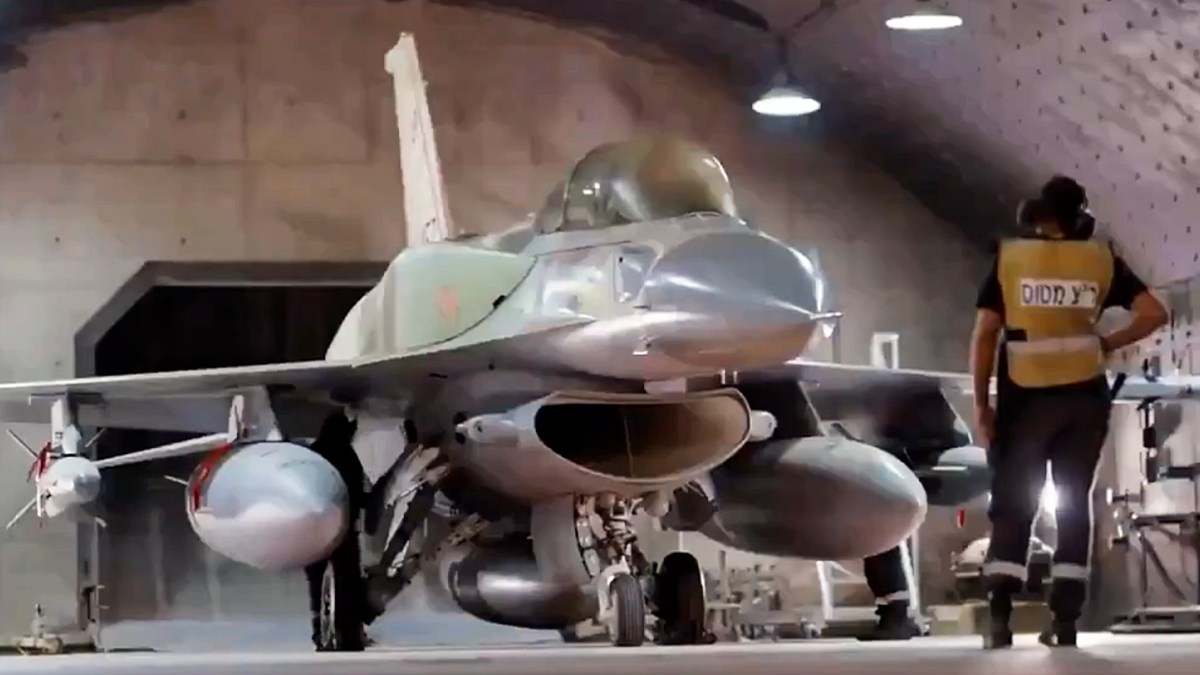
In a dramatic turn of events, Israel and Iran have stepped back from the brink of a full-scale war after a flurry of tit-for-tat strikes on Sunday and Monday. The attacks, which marked the most serious challenge to the shaky ceasefire that went into effect on April 8, raised fears of a broader regional conflict. However, both sides have now indicated a willingness to stop fighting, at least for the moment.
Key Statements from Both Sides
On Monday evening local time, both Israel and Iran announced their readiness to cease hostilities. According to a Reuters report cited by journalist Phil Stewart, an Israeli source confirmed that "Israel has decided to stop its attacks on Iran." Meanwhile, the Islamic Revolutionary Guard Corps (IRGC) declared it was halting attacks on Israel but reserved the right to resume them if Jerusalem continued "to target Hezbollah in Lebanon," as reported by Fox News correspondent Trey Yingst.
Israeli Prime Minister Benjamin Netanyahu justified the decision, stating, "After we dealt a heavy blow to the terrorist regime in Tehran, it ceased its attacks on us. If the terrorist regime in Iran makes a mistake and attacks us again—we will respond with full force." This conditional stance underscores the fragile nature of the current calm.
US Role and Ceasefire Efforts
The developments come despite President Donald Trump urging both sides to stand down to allow the sputtering peace process to move forward. In a post on his social media platform, Trump noted that both sides "are looking to do an immediate CEASEFIRE! Final negotiations on 'Peace' are proceeding." The US administration has been actively involved in mediating between the two adversaries, though the path to a lasting agreement remains uncertain.
Regional Implications and Houthi Threats
Adding to the tensions, the Houthi rebels of Yemen, an Iranian proxy group, have threatened to attack Israeli shipping in the Red Sea region in support of Iran. On Sunday, they fired missiles at Israel, further complicating the security landscape. The Houthi involvement highlights the broader proxy network that Iran maintains across the Middle East, which could escalate if the current ceasefire falters.
Analysis of the Ceasefire Durability
The current lull in fighting is precarious. Both sides have made it clear that they reserve the right to respond to any perceived aggression. The IRGC's condition linking its halt to Israeli actions against Hezbollah in Lebanon introduces a potential flashpoint. Moreover, the Houthi threat to Red Sea shipping could provoke a new crisis. The international community, particularly the US, will need to engage diplomatically to prevent a relapse into conflict.
Historical Context
The April 8 ceasefire was itself a fragile arrangement, and the recent strikes represent the most serious violation since its inception. The pattern of escalation and de-escalation between Israel and Iran has been a recurring feature of Middle Eastern geopolitics, often playing out through proxies and direct strikes. The current situation mirrors previous cycles where both sides have pulled back after reaching the verge of all-out war.

Conclusion
While the immediate threat of a full-scale war has receded, the underlying tensions remain unresolved. The coming days will be critical in determining whether this ceasefire holds or whether the region slides back into conflict. Diplomatic efforts, particularly by the US, will be essential in building on this momentum toward a more stable peace.
This article is based on reporting by twz.com. Read the original article.
Originally published on twz.com