The Air Force closes a key chapter in A-10 training
The U.S. Air Force Weapons School at Nellis Air Force Base has completed its final weapons instructor course for the A-10 Warthog, according to the supplied source text. That is the central development behind what otherwise arrives wrapped in a cockpit tour and walk-around feature. The ending of the elite training course marks a symbolic and operational turning point for one of the Air Force’s most recognizable aircraft.
The timing is notable because the A-10 is not disappearing overnight. The source material says three A-10 squadrons have received a service extension to 2030, and it also references recent combat operations in the Middle East. Even so, the school has shut its dedicated instructor course in line with broader U.S. Air Force divestment plans for the type, which were previously aimed at the end of 2026.
Why the Weapons School matters
The Weapons School is not routine continuation training. It is the Air Force’s premier advanced tactical instruction pipeline, producing expert instructors who help shape how aircraft are employed across the force. Closing the A-10 track therefore carries meaning beyond a paperwork milestone. It signals that the institution is no longer investing in the long-term tactical evolution of the platform in the same way, even if the aircraft remains in some operational use for several more years.
That distinction matters. Aircraft fleets often outlive the peak of the ecosystem built around them. Once elite training pipelines begin to close, the message is that the service is managing an exit, not planning a renewed future.
A platform still flying under a shrinking strategic umbrella
The A-10 continues to occupy a distinctive place in military aviation culture because of its reputation for close air support, survivability, and the prominence of its 30mm GAU-8 cannon. The supplied source text also points out that Warthogs have seen recent combat operations in the Middle East. On the surface, that could make the end of an advanced instructor course seem contradictory.
But the contradiction is more apparent than real. Services routinely keep legacy platforms in use while simultaneously reducing the institutions that sustain them over the long term. The extension of three squadrons to 2030 does not necessarily mean the Air Force has reversed course. It can just as easily mean the type remains useful in the near term while the larger force structure continues moving on.
The tension around A-10 divestment
The A-10 has long generated debate because its supporters tend to emphasize battlefield utility and mission specialization, while critics of retaining it point to aging airframes, modernization priorities, and the Air Force’s broader shift toward other platforms. The source material does not reopen that entire argument in detail, but it clearly places the course closure within existing divestment plans.
That makes the decision less about the aircraft’s mythology and more about resource allocation. Elite training pipelines require time, personnel, and institutional attention. If the service sees the platform’s future as limited, shutting the course becomes a practical signal of where it no longer wants to spend those resources.
What remains of the A-10 story
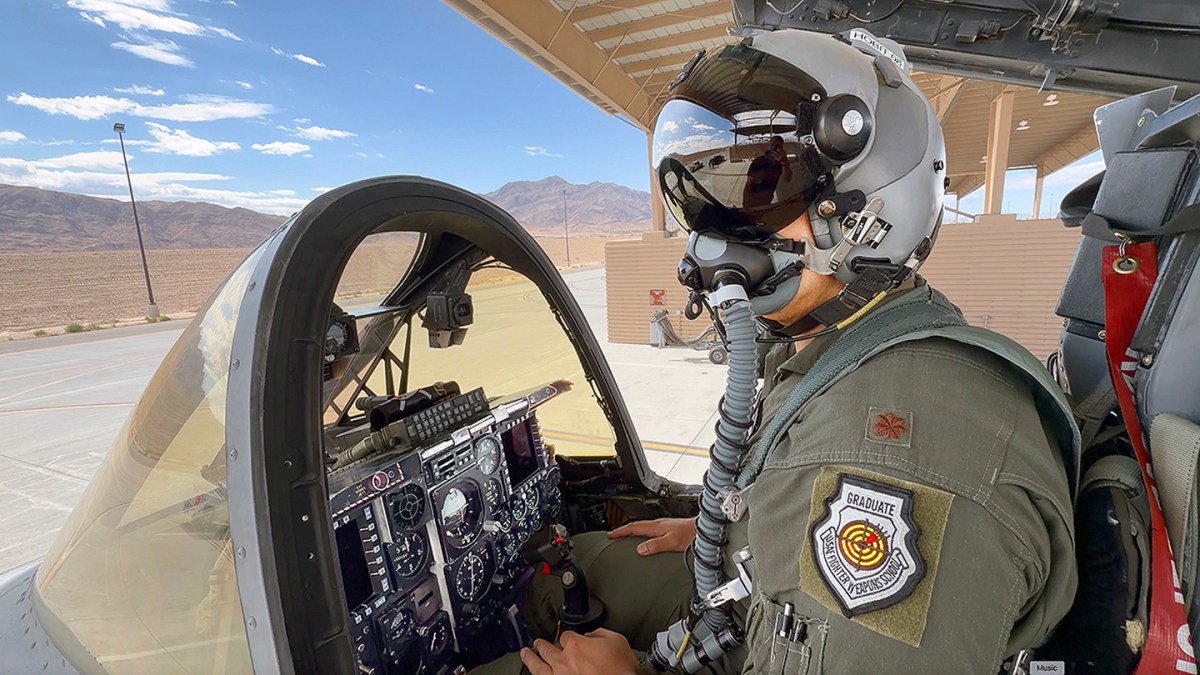
The source text centers on a detailed cockpit and walk-around tour with an instructor pilot from the 66th Weapons Squadron, and it notes that a fuller episode focused on the A-10 Weapons School is set to appear on YouTube. That media framing will likely resonate with aviation enthusiasts because it captures the aircraft at the moment its high-end training legacy is closing.
There is value in that record. The A-10 is one of the few aircraft whose public image extends far beyond specialist defense circles. A final Weapons School course gives the story a clear narrative endpoint: not the immediate end of operations, but the winding down of the elite community that helped define how the aircraft was taught and fought.
An ending before the last retirement
The most important point is that institutional endings often arrive before fleet retirements do. The A-10 may remain in service with selected squadrons through 2030, but the completion of the last weapons instructor course shows that a deeper transition is already underway. This is what force restructuring looks like in practice: not always a dramatic final flight, but the gradual closure of training, doctrine, and career pathways that once sustained a platform’s future.
For the Warthog, that makes the Nellis milestone more than a nostalgic footnote. It is an unusually clear sign that even a still-flying aircraft can enter its endgame well before the official retirement date arrives.
This article is based on reporting by twz.com. Read the original article.
Originally published on twz.com