A smaller radar footprint could widen access to space surveillance
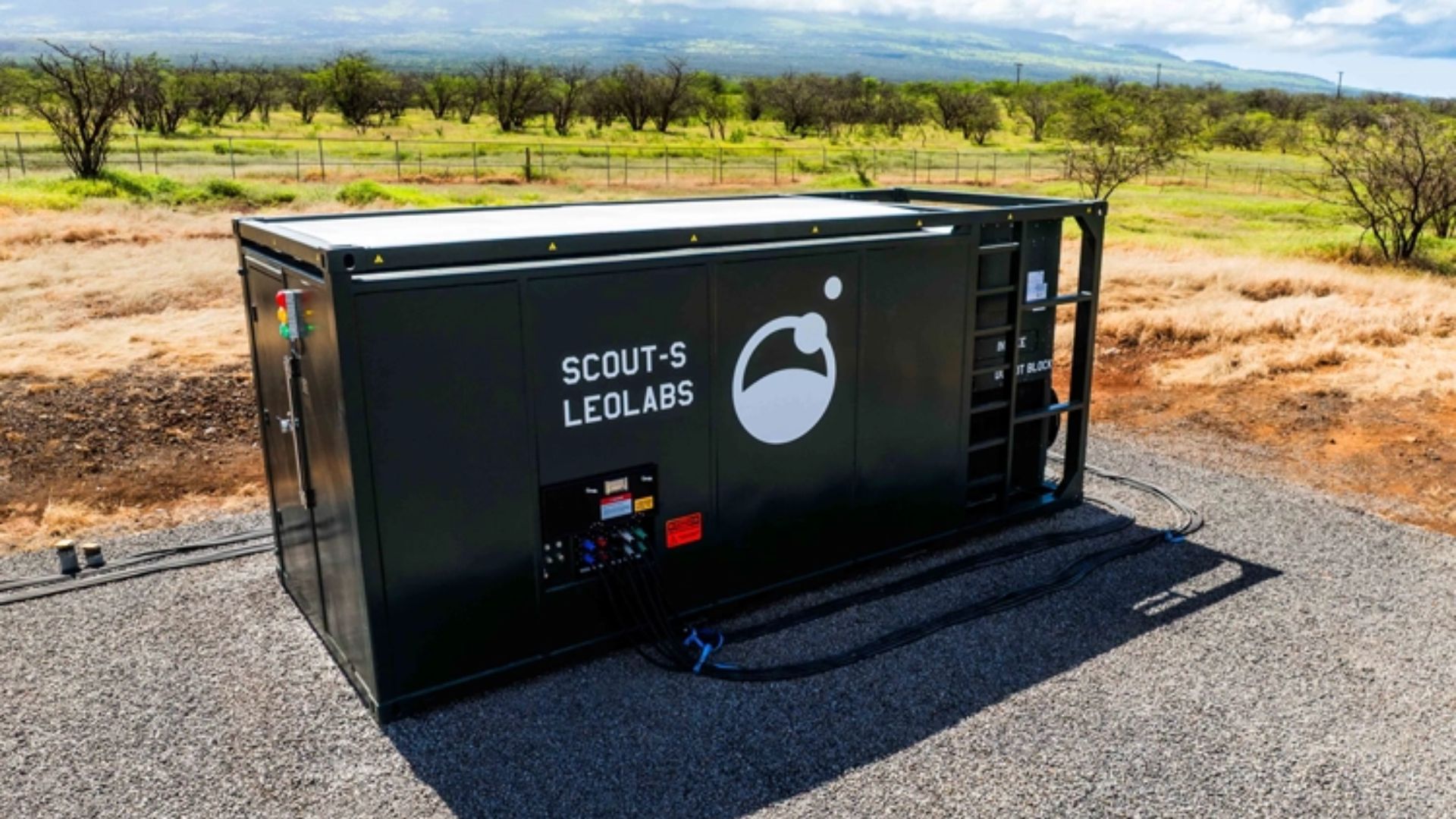
LeoLabs has introduced a new 3D radar system designed to be mobile, compact and able to track objects as high as 143 miles above Earth. According to the candidate details, the system fits inside a 20-foot box, a packaging choice that points to fast deployment as a central part of the design rather than an afterthought.
Even with limited public detail in the supplied material, the broad significance is clear. Space surveillance has historically depended on fixed, expensive infrastructure placed in carefully selected locations. A radar small enough to move in standard container form suggests a different model: one in which tracking capability can be installed or repositioned more quickly as civil and military requirements change.
Why portability matters
Mobility is more than a logistical convenience in this sector. It can affect resilience, coverage and speed of deployment. If a radar system can be transported in a standardized container, it becomes easier to move it closer to emerging operational needs, to bring it online in less permanent settings, or to scale surveillance networks without waiting for major site construction.
That logic matters as more governments and companies treat orbital awareness as critical infrastructure. Low Earth orbit is growing busier, and the ability to monitor traffic, debris and other objects is becoming more valuable to both commercial operators and defense planners.
The altitude claim points to low-orbit utility
The cited tracking range, up to 143 miles above Earth, places the system squarely in the conversation around lower-altitude space object tracking. That is a strategically relevant region because it includes operational environments where congestion and monitoring needs are increasing.

In practical terms, a radar with those characteristics would be aimed at improving visibility into fast-changing near-Earth activity rather than replacing every type of deep-space sensor. Its innovation lies in packaging and deployability as much as in the detection envelope itself.
A sign of where space infrastructure is heading
The emergence of systems like this reflects a broader shift in aerospace and defense technology. Sensors that once needed to be large, fixed and relatively scarce are being redesigned for modular deployment and faster fielding. That mirrors trends seen in communications, remote sensing and autonomous systems, where portability and rapid installation have become strategic advantages.
For LeoLabs, the pitch is straightforward: a radar system that is easier to place where it is needed, while still providing meaningful tracking capability. For the wider market, the idea is even more consequential. The faster space activity expands, the stronger the demand for surveillance tools that can scale without the timelines and costs of traditional infrastructure.
The available details do not yet answer questions about throughput, resolution, networking or deployment plans. But they are enough to show why the announcement matters. In a field where situational awareness is increasingly non-negotiable, reducing the size and complexity of the hardware could be as important as increasing the performance of the sensor itself.
This article is based on reporting by Interesting Engineering. Read the original article.
Originally published on interestingengineering.com