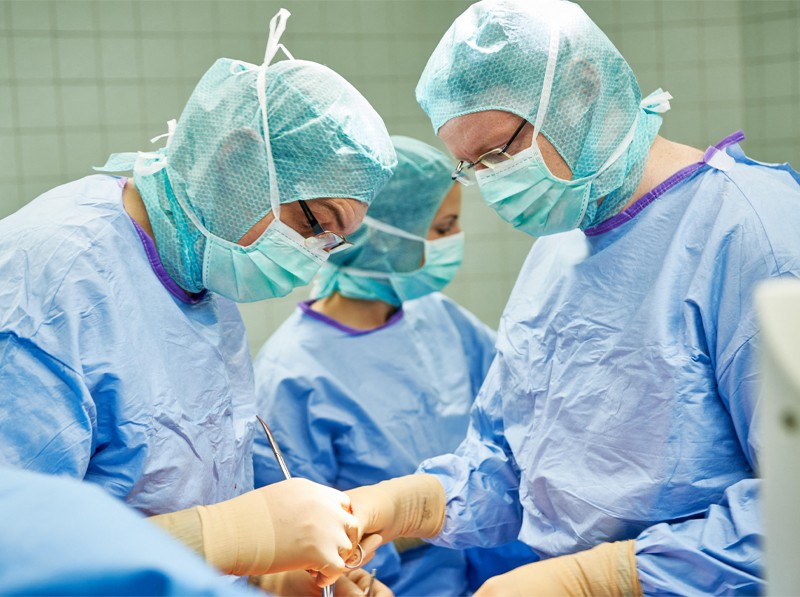
An early signal for a difficult prenatal condition
A new research highlight in Nature Medicine points to encouraging early results for a stem-cell approach added to prenatal surgery for myelomeningocele, the most severe form of spina bifida. The report describes a phase 1 study assessing the safety of placenta-derived stem cell therapy used during in utero repair and says the treatment shows promise.
That framing matters. This is not a declaration that the therapy is proven, nor does the supplied source material provide detailed efficacy data. What it does establish is that researchers are testing whether regenerative medicine can improve on the current limits of fetal surgery for a condition that often causes lifelong disability.
Why myelomeningocele remains such a hard problem
Myelomeningocele is a congenital condition in which the developing spinal cord and surrounding tissues do not form normally. It is the most severe form of spina bifida and can lead to paralysis and other long-term disabilities. The source text notes that, despite advances in prenatal surgery, many children with the condition still do not walk independently.
That gap between surgical progress and functional outcomes explains why researchers are looking beyond mechanical repair alone. Prenatal surgery can protect exposed tissue and improve some outcomes, but it does not fully reverse neurological injury that has already occurred during development. A stem-cell component is attractive because it suggests a way to support repair biologically, not just structurally.

What the new study adds
According to the supplied summary, the phase 1 study evaluated the safety of placenta-derived stem cell therapy when used during fetal myelomeningocele repair. Phase 1 studies are designed first to answer whether a treatment can be delivered safely enough to justify deeper clinical testing. In that sense, the most important message here is not that medicine has solved severe spina bifida, but that researchers appear to have cleared an early feasibility hurdle for a more ambitious treatment strategy.
The use of placenta-derived stem cells is notable in itself. Placental tissue has become an important source in regenerative medicine because it can be collected without the invasive procedures associated with some other cell sources, and it offers a route to developing therapies intended to modulate healing and tissue response. The supplied material does not detail how the cells were administered or what endpoints were measured, so any stronger interpretation would go beyond the evidence provided.
A shift from repair toward restoration
The broader significance of this work is conceptual. Traditional prenatal surgery for myelomeningocele aims to close the defect before birth in hopes of limiting further damage. Adding stem-cell therapy suggests a shift toward trying to restore function or improve tissue recovery as part of the same intervention.
That is a different ambition. It implies fetal surgery may evolve from a purely corrective procedure into a platform for biologically active therapies delivered at a moment when the nervous system is still developing. If that model proves safe and effective in later trials, it could influence how clinicians think about other congenital conditions as well.
For now, though, the evidence remains early. The source text says the study “shows promise,” which is appropriately restrained language. Medical history is full of phase 1 ideas that looked feasible at first but failed to produce clear clinical benefit later. The importance of this result lies in opening the door to those next studies, not in closing the argument.

What comes next
The obvious next step is more detailed clinical evaluation. Researchers will need to establish whether the stem-cell addition changes outcomes that matter most to patients and families, including mobility, neurological function, and complications over time. They will also need to show that any gains are durable and do not come with unacceptable new risks for either fetus or pregnant patient.
Because the procedure happens in utero, the safety bar is especially high. Treatments in fetal medicine involve two patients at once, and the tolerance for uncertainty is lower than in many adult interventions. That makes the phase 1 safety framing especially important. It is the minimum threshold for continuing, but not the end point.
Why the result still matters now
Even with those cautions, the study deserves attention because it targets one of the most persistent limitations in fetal surgery. Prenatal repair has already changed the treatment landscape for some families facing a myelomeningocele diagnosis, but the functional ceiling remains too low for many children. Any credible attempt to improve on that standard is consequential.
The source material does not claim a breakthrough cure. It does support a more measured conclusion: a placenta-derived stem cell therapy has advanced into human testing alongside in utero repair, and an early safety assessment suggests the approach may be worth pursuing. In an area where the need is severe and the treatment window is narrow, even that counts as meaningful progress.
The near-term story, then, is not about hype. It is about a difficult condition, a demanding clinical setting, and an early-stage therapy that has produced enough of a signal to keep the field moving forward.
This article is based on reporting by Nature Medicine. Read the original article.

Originally published on nature.com
