Introduction
In a significant move for the nuclear energy sector, US-based energy technology firm AMPERA has announced plans to utilize Australian thorium reserves as fuel for its advanced modular supercritical nuclear reactors. The company confirmed that its new systems will operate using thorium, a radioactive element that is more abundant and safer than traditional uranium. This development could reshape the global energy landscape by providing a cleaner, more sustainable alternative to fossil fuels and conventional nuclear power.
Thorium: The Fuel of the Future
Thorium is a naturally occurring radioactive element that has long been considered a potential fuel for nuclear reactors. Unlike uranium, thorium is more abundant in the Earth's crust, with Australia holding some of the largest known reserves. AMPERA's decision to tap into these reserves underscores the growing interest in thorium as a viable energy source. Thorium-based reactors produce less long-lived radioactive waste and are resistant to meltdowns, making them inherently safer than traditional reactors. Additionally, thorium cannot easily be weaponized, addressing proliferation concerns.

AMPERA's Modular Supercritical Nuclear Systems
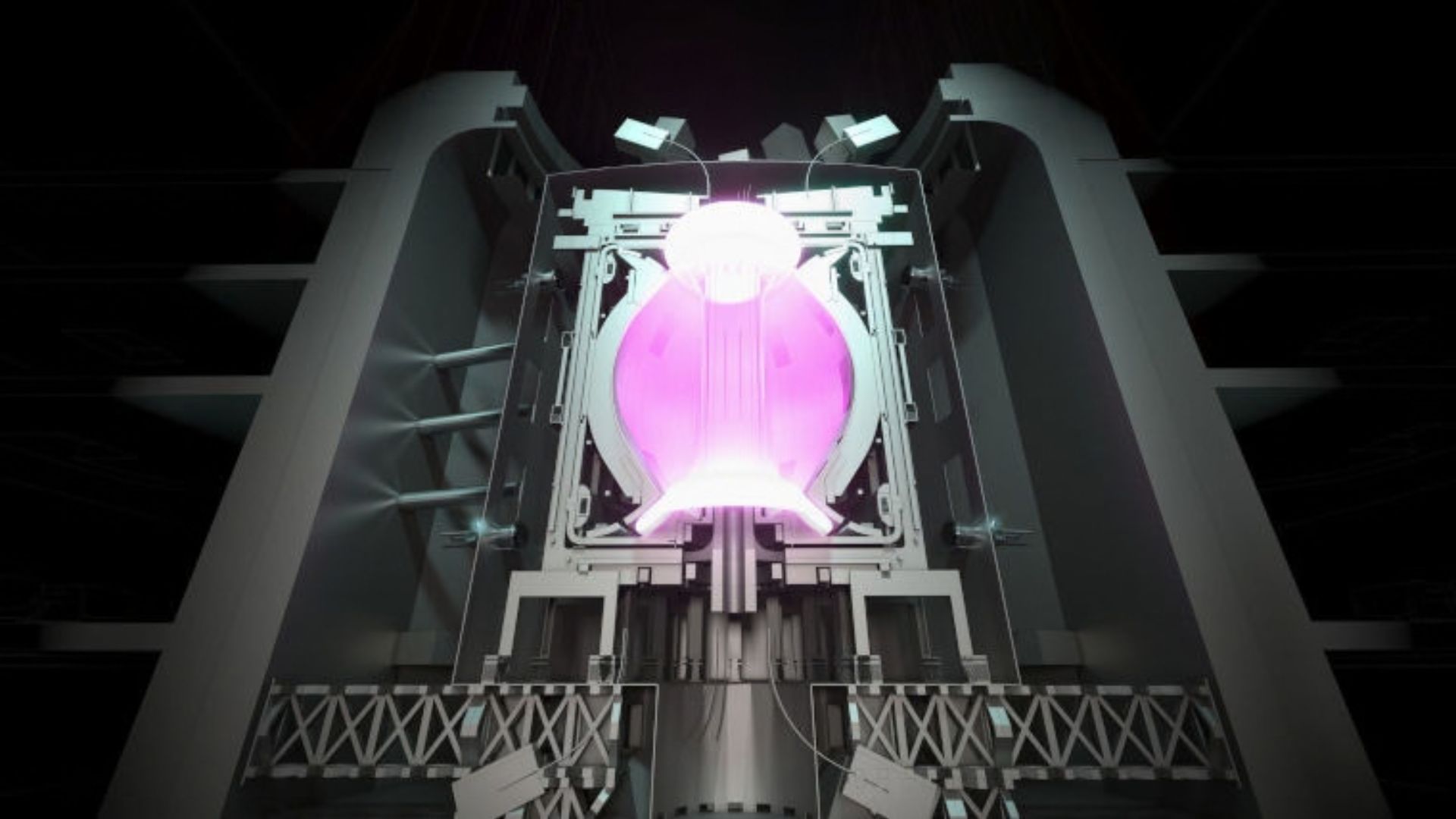
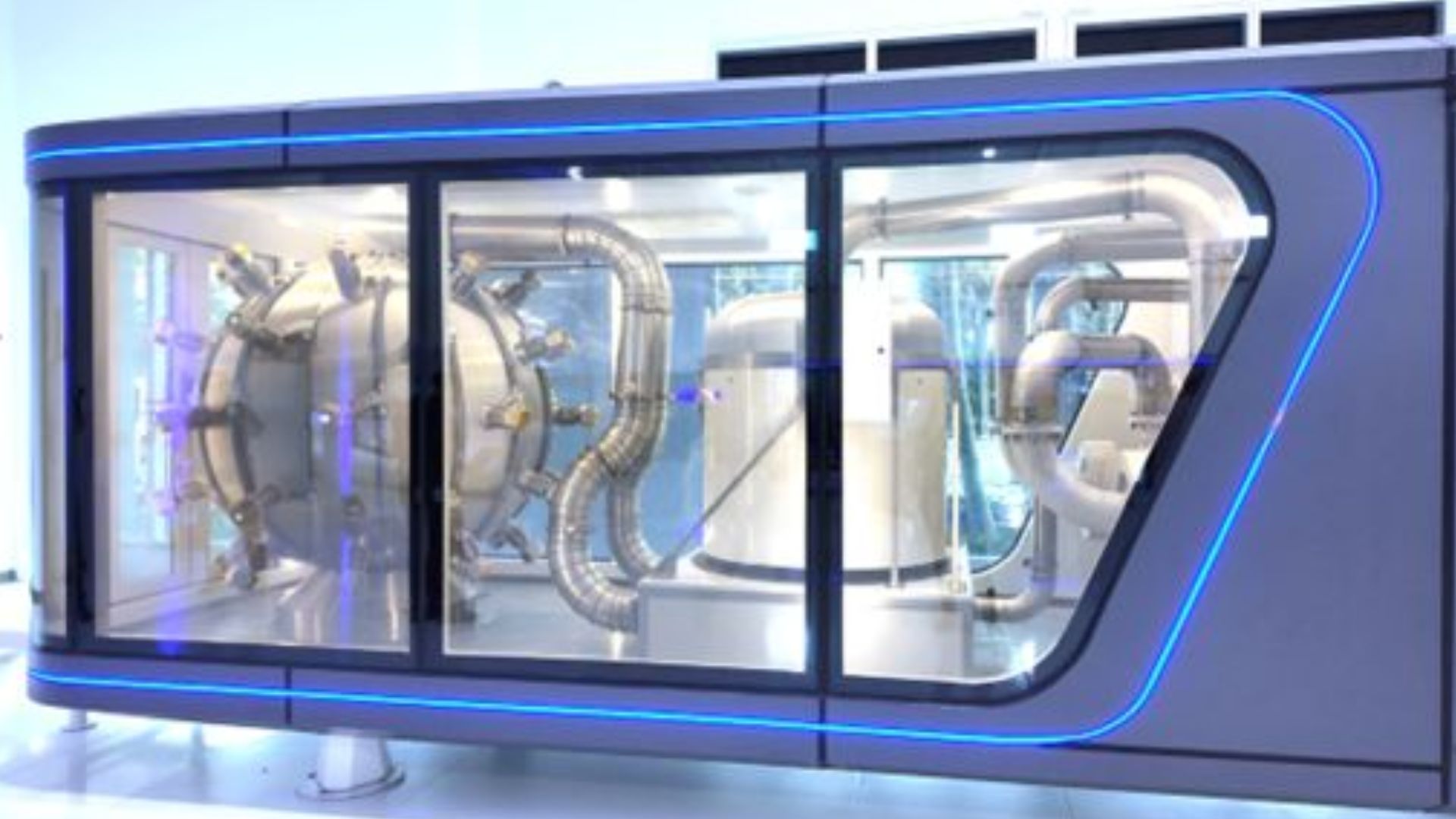
AMPERA's new modular supercritical nuclear systems are designed to be compact, scalable, and efficient. The company claims that these reactors can be deployed quickly and cost-effectively, making them suitable for a wide range of applications, from powering industrial facilities to providing electricity for remote communities. The use of supercritical conditions—where water is heated to a state above its critical point—allows for higher thermal efficiency and smaller reactor sizes. By integrating thorium fuel, AMPERA aims to deliver a clean energy solution that is both safe and sustainable.
Strategic Partnership with Australia
Australia's vast thorium reserves make it a key partner for AMPERA's plans. The country has long been a major exporter of uranium, but thorium has received less attention. However, with the global push for decarbonization, Australian thorium could become a strategic resource. AMPERA's collaboration with Australian mining and energy companies is expected to secure a reliable supply chain for thorium fuel. This partnership also aligns with Australia's goals to reduce carbon emissions and develop new export industries.
Environmental and Safety Benefits
One of the most compelling advantages of thorium reactors is their environmental and safety profile. Thorium produces significantly less long-lived radioactive waste than uranium reactors, and the waste that is generated decays to safe levels more quickly. Moreover, thorium reactors operate at lower pressures and temperatures, reducing the risk of catastrophic failures. The modular design of AMPERA's systems further enhances safety by allowing for passive cooling and automatic shutdown in emergencies. These features make thorium reactors an attractive option for countries seeking to expand nuclear power without the associated risks.
Economic Implications
The adoption of thorium-based nuclear reactors could have profound economic implications. For Australia, the development of a thorium fuel industry could create jobs, stimulate mining and processing sectors, and provide a new export commodity. For AMPERA, the use of abundant Australian thorium could reduce fuel costs and supply chain vulnerabilities. Additionally, the modular nature of the reactors allows for incremental investment, making nuclear power accessible to smaller utilities and developing nations. The overall cost of electricity from thorium reactors is expected to be competitive with renewables and fossil fuels, especially when factoring in carbon pricing.
Challenges and Next Steps
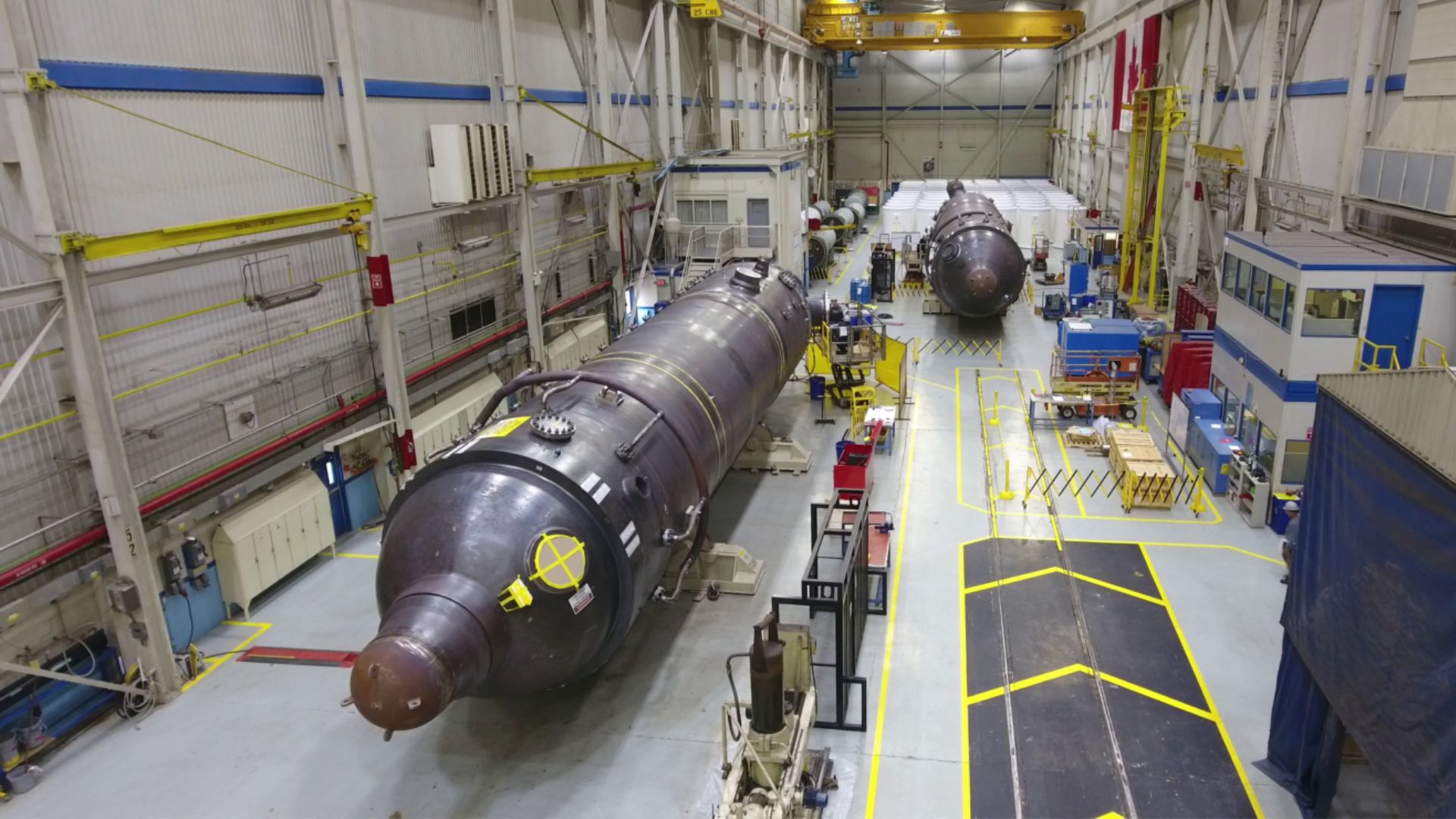
Despite the promise, thorium reactor technology is still in the developmental stage. AMPERA will need to overcome technical hurdles, including the development of efficient fuel reprocessing and waste management systems. Regulatory approval will also be a significant challenge, as nuclear regulations are primarily designed for uranium-based reactors. However, AMPERA is optimistic, citing progress in materials science and reactor design. The company plans to build a demonstration reactor within the next decade, with commercial deployment following shortly after.
Conclusion
AMPERA's decision to tap Australian thorium reserves for its advanced nuclear reactors marks a pivotal moment in the quest for clean, safe, and abundant energy. By leveraging the unique properties of thorium and innovative reactor design, the company aims to overcome the limitations of traditional nuclear power. If successful, this initiative could accelerate the global transition to a low-carbon future, while providing economic benefits to Australia and the United States. The world will be watching closely as AMPERA moves from concept to reality.
This article is based on reporting by Interesting Engineering. Read the original article.
Originally published on interestingengineering.com