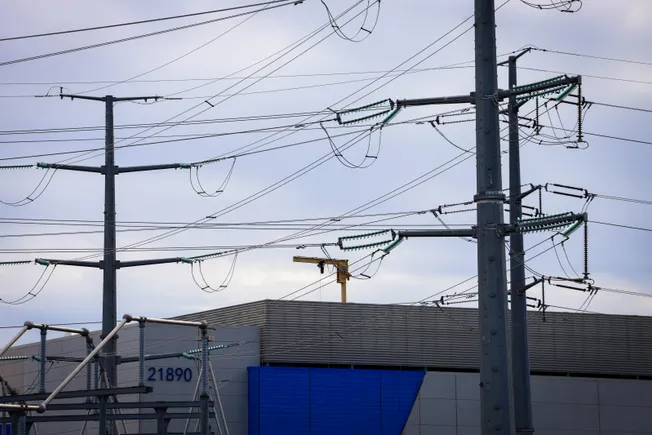
Power bills kept climbing early in 2026

Average U.S. electricity prices continued moving higher in February, according to new figures from the Energy Information Administration cited by Utility Dive. The agency said total average revenue per kilowatt-hour, a proxy for retail electricity rates, rose 9% from the same month a year earlier to 14.36 cents per kilowatt-hour.

The national figure alone is significant, but the regional differences are even more striking. Virginia saw a 26.3% increase, Ohio 21.9% and Pennsylvania 19.5%. Those are steep year-over-year moves in states already central to debates over power demand, infrastructure stress and affordability.

Every major customer class moved higher

The increase was not isolated to one part of the market. All four sectors tracked by EIA registered year-over-year gains in average revenues per kilowatt-hour. Transportation posted the largest increase at 23.6%, followed by commercial at 10.7%, industrial at 8.6% and residential at 7.4%.

That breadth matters because it suggests the pressure is system-wide rather than limited to a single customer segment. Residential increases are often the most politically visible, but rising commercial and industrial rates can also feed through into business costs, investment decisions and broader inflation pressures.

Demand and generation are shifting too

The report also found that more electricity was sold in February 2026 than in February 2025, while total net generation rose 1.2%. Thirty-one states and the District of Columbia recorded higher retail sales volumes year over year, with Rhode Island posting the biggest increase at 31%. Nineteen states saw decreases, led by Montana at 10.8%.

Fuel patterns also changed. EIA said the Northeast and Mid-Atlantic experienced sizable shifts toward other fossil fuels compared with the previous year. Nationwide, coal consumption fell 11.3% while natural gas consumption increased 1.5%.

Weather likely helped shape some of those movements. According to the report, below-average temperatures in the East and above-average temperatures in the West contributed to much wider wholesale electricity and gas price variation in eastern markets than in western ones.

Affordability is becoming harder to separate from infrastructure debates

The February data lands at a moment when electricity affordability is increasingly tied to larger structural questions: grid investment, fuel mix, transmission build-out and large new sources of demand. Even without drawing conclusions beyond the reported numbers, the trend is clear enough. Households and businesses are paying more per unit of electricity, and some states are seeing especially sharp jumps.

For policymakers and utilities, that creates a difficult balancing act. Systems need investment, demand is changing and fuel conditions remain uneven across regions. But the faster rates rise, the harder it becomes to persuade customers that future infrastructure costs can be absorbed without wider backlash.

The February figures therefore tell two stories at once. One is immediate: electricity became more expensive across the country compared with a year ago. The other is strategic: affordability is now inseparable from the broader transformation of the power system, and that tension is likely to intensify as demand keeps growing.

This article is based on reporting by Utility Dive. Read the original article.