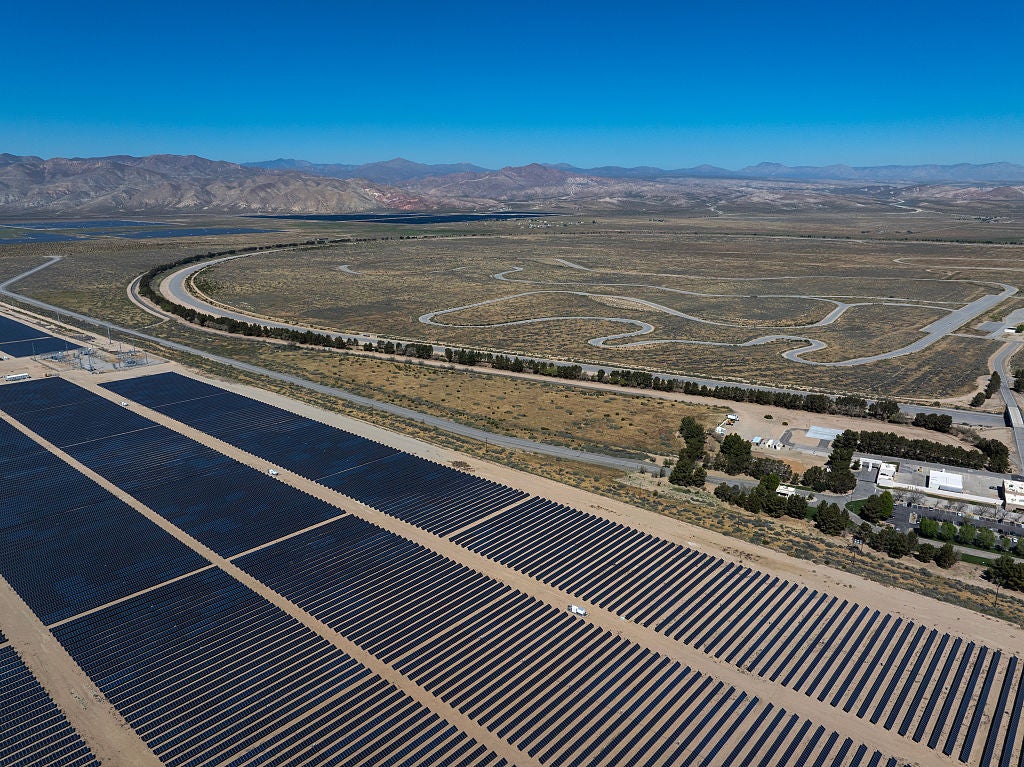
能源转型的方向没有变,但路径变得更复杂了
北美的能源转型仍在向前推进,但它正进入一个更复杂的阶段,在这一阶段,政治和执行的重要性不亚于技术成本。这是《Energy Monitor》对 GlobalData《North America Energy Transition 2026》展望报告的核心解读。报告认为,可再生能源的整体经济性依据依然成立,但随着政策波动和地缘政治冲突使部署更加复杂,该地区的发展轨迹也变得更难预测。
这种区分很重要。在过去十年中的大部分时间里,能源转型往往被理解为一个成本故事。太阳能变得更便宜,储能不断改进,风电规模扩大,人们普遍预期,单凭这些经济因素,采用速度就会加快。新的展望显示,这一阶段已经结束。技术和经济仍然重要,但如今决定性的约束更多体现在审批、电网、工业产能以及政治承诺上。
可再生能源仍在增长
尽管局势动荡,该展望仍然预测了显著增长。预计到2035年,北美发电中可再生能源的占比将从2025年的32%升至43%。其中,太阳能单独预计将达到19%。在装机容量方面,可再生能源预计将在同一时期从42%提升至58%。
这些增幅意义重大,也表明转型并未停滞。但报告同时将北美置于一个弱于全球趋势的比较位置。到2035年,全球可再生能源预计将占到约69%的装机容量。其含义不仅是北美的脱碳速度可能更慢,也意味着那些在电网、供应链和电气化方面推进更快的地区,或许还能获得产业上的优势。
这种竞争性表述,标志着一种转变:过去的讨论主要把转型视为气候目标,如今,执行速度也越来越被视为经济能力的衡量标准。

需求增长让转型更困难,也更紧迫
展望中最直接的压力来自用电需求。预计北美电力消费将在2025年的约5000太瓦时上升至2035年的近5900太瓦时。电气化推动了这一增长,但报告指出,数据中心带来的压力比许多人预想的更大。
这很重要,因为需求增长改变了转型问题的性质。它不再只是用更清洁的能源替代传统发电,而是还要建设足够多的新供给、输电、储能和系统灵活性,以服务一个规模更大、用电更密集的经济体。如果需求快速增长,而基础设施跟不上,即便可再生能源的经济性有利,也未必足以让转型按计划推进。
这也是该展望强调执行的地方最为具体的原因。能够把项目接入电网、扩大供应链并管理不断上升负荷的地区,将获得更强势头。做不到这些的地区,即便名义上采取了支持转型的政策,也可能在现实中看到更慢的结果。
政治仍是最大的变量
报告还强调,政治波动是主要的不确定性来源之一,尤其提到特朗普政府对可再生能源项目的积极抑制。这并不会抹去长期趋势,但会让路径变得不再线性。转型可能停滞、改道,甚至倒退,而政策变化不仅会影响项目审批,也会影响企业对投资地点的信心。
这也是为什么该分析将当前时期描述得更为严苛。过去那种容易讲述的故事是,经济因素会完成大部分工作。更难的现实是,能源系统是通过政策、基础设施和工业协同建成的。如果这些要素变得不稳定,尽管总体方向仍然向好,转型内部的赢家也可能发生变化。
从这个意义上说,这份展望与其说是否定清洁能源动能,不如说是在提醒人们不要掉以轻心。转型在绝对意义上仍在加速,但相对表现同样重要。如果落后于全球节奏,带来的影响不仅会体现在减排目标上,也会体现在工业竞争力和能源系统韧性上。
要点总结
- 预计到2035年,可再生能源在北美发电中的占比将从2025年的32%升至43%。
- 同一时期,可再生能源装机容量预计将从42%增长到58%。
- 北美预计将落后于全球节奏,全球可再生能源装机容量到2035年或达到约69%。
- 电力需求预计将大幅上升,数据中心被认定为主要驱动因素之一。
- 政治波动正在重塑哪些技术和项目最有可能胜出。
总体结论并不是北美的转型正在失败,而是未来十年将不再主要取决于清洁技术是否可行,而更取决于政府和市场能否足够快速、稳定地建设,以跟上需求增长。经济性已经打开了大门,政治和执行将决定这扇门能开多大。
本文基于 Energy Monitor 的报道。阅读原文。
Originally published on energymonitor.ai