EcoFlow is pushing deeper into high-capacity home energy storage
EcoFlow has unveiled technical details of its Ocean 2 residential battery system, positioning the new line as a more versatile three-phase storage option for households with larger solar arrays, heavier electrical loads, or more demanding backup needs.
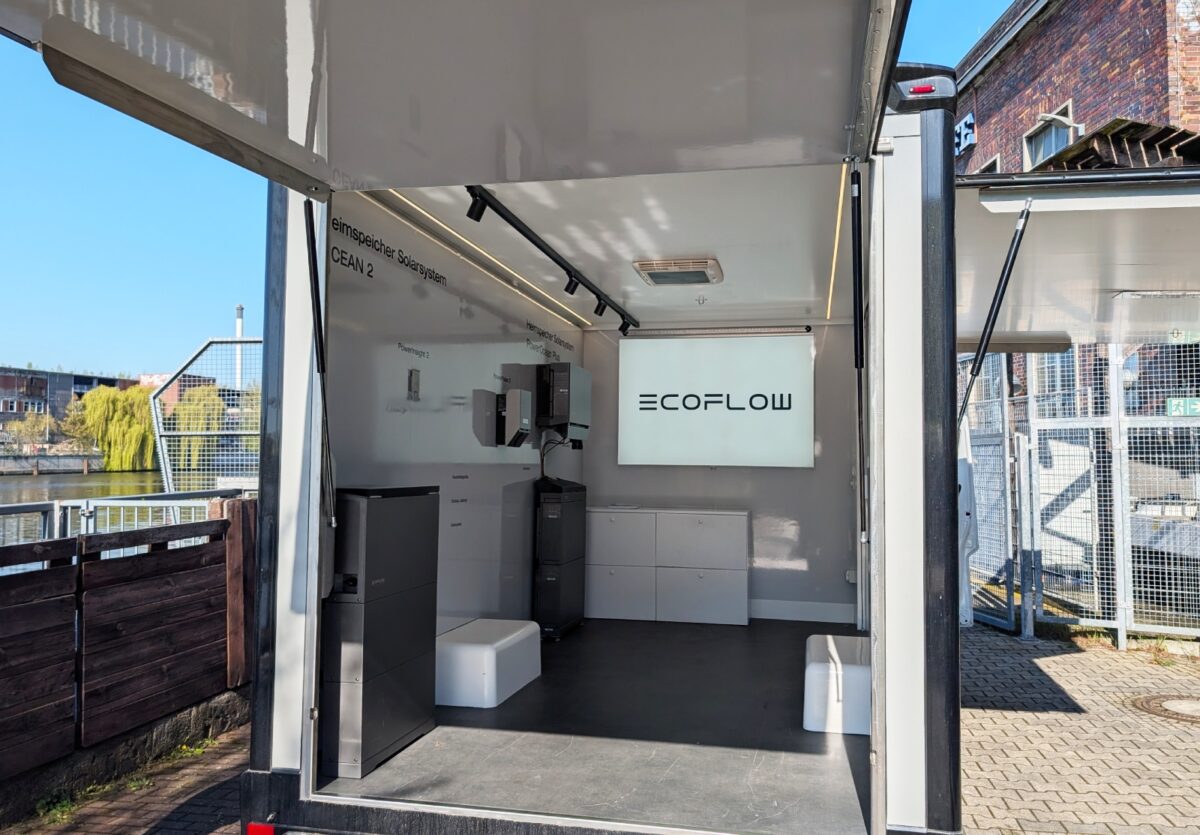
The product was presented in Berlin to media and installers, where the company framed Ocean 2 as an evolution of its earlier PowerOcean and PowerOcean Plus offerings. The emphasis is not on a lightweight plug-and-play consumer gadget. This is an installer-only system designed for serious household electrical integration.
Why three-phase matters
Three-phase systems are typically relevant in markets and homes where electrical demand is higher or more evenly distributed across large appliances, heating systems, workshops, or substantial solar production. By moving further into that segment, EcoFlow is targeting homeowners who want a battery platform that can scale beyond small backup use cases.
That makes Ocean 2 strategically important even if the launch is product-focused rather than policy-driven. Residential storage is no longer just about surviving occasional outages. It is increasingly tied to self-consumption of solar power, shifting load away from expensive periods, and making larger homes less dependent on volatile grid prices.
What EcoFlow says has changed
According to the company’s technical presentation, Ocean 2 is intended to be both modular and expandable, and able to handle a wider range of photovoltaic input. That matters because one of the practical constraints in home storage deployment is mismatching: systems sized for a modest array can become limiting once a homeowner adds more panels, more appliances, or an electric vehicle.
EcoFlow’s pitch is that Ocean 2 is better suited to both smaller and larger solar installations. In other words, the system is meant to grow with the home rather than force a full redesign once energy needs rise.
The company is also clearly trying to smooth adoption for installers. Because this is an installer-channel product with trade and wholesale pricing, EcoFlow is not leading with a fixed sticker price. Final cost depends on location, existing wiring, switchboard changes, and whether the battery is being tied into a new or existing PV system.
What the launch says about the market
The technical specifics matter, but the broader significance is the direction of travel in residential energy. Storage products are steadily moving from niche backup boxes toward more deeply integrated household infrastructure. The value proposition now includes resilience, bill optimization, solar self-use, and future flexibility.
Ocean 2’s design priorities suggest EcoFlow sees demand shifting toward homes that want one platform to cover several of those jobs at once. A modular architecture can be especially important in that context. Installers and homeowners alike tend to favor systems that do not require guessing a household’s lifetime energy needs on day one.
That is particularly relevant in regions where electrification is accelerating. A home that looks adequately supplied today may add heat pumps, induction cooking, EV charging, or more rooftop solar within a few years. Storage platforms that can expand with those changes have an obvious advantage over more rigid systems.
Not a mass-market impulse buy
There is also a useful limit to the announcement. Ocean 2 remains a professional-installation product, and the company itself appears to be drawing a distinction between that business and its direct-to-consumer battery lines. That suggests EcoFlow is segmenting its portfolio rather than trying to make one battery fit every audience.
From a market perspective, that is a sensible move. The requirements for a robust three-phase home storage system are different from the needs of customers shopping for portable backup power. Certification, installation complexity, local electrical rules, and system design all matter more at this end of the market.
It also means the product’s success will depend less on launch-day excitement than on installer confidence and real-world performance. For residential energy hardware, that usually matters more than headline specs.
The bigger competitive context
Home storage has become crowded, but not uniform. Some systems focus on straightforward backup, some on tight solar integration, and others on software-led energy management. EcoFlow appears to be pushing Ocean 2 into the segment where flexibility and scale are central selling points.
The Berlin presentation makes clear that the company wants to be taken seriously by professional channels, not only by consumers familiar with its portable energy gear. That matters because installer trust is one of the most durable competitive advantages in residential electrical equipment. A system that is easier to size, expand, and deploy can win even before a homeowner starts comparing brand names.
Why this launch still matters
Ocean 2 is not a geopolitical energy story or a scientific breakthrough. But it is a useful signal of where the distributed energy market is heading. Residential storage products are becoming larger, more modular, and more tightly integrated with household electrification and solar generation.
EcoFlow’s new three-phase system fits that pattern. It is aimed at homes that want a battery not as an accessory, but as a core part of the property’s electrical architecture. If that segment continues to grow, the companies best positioned will be the ones that can bridge consumer familiarity, installer requirements, and upgrade paths over time.
On that measure, Ocean 2 looks less like a one-off launch and more like a marker of a maturing market: residential batteries are moving up the ladder, from backup convenience to permanent infrastructure.
This article is based on reporting by PV Magazine. Read the original article.
Originally published on pv-magazine.com