From Living Rooms to Power Plants
When researchers discovered that consumer robot vacuums could be remotely hijacked — granting strangers access to cameras and microphones to peer inside private homes — the response was a privacy scandal, a patch, and a few weeks of uncomfortable headlines. But for those building industrial AI systems, the incident carried a more serious warning.
A robot vacuum hacked in a living room is a privacy violation. A robot hacked in a chemical plant, a power grid, or a water treatment facility is a potential catastrophe. As artificial intelligence moves into industrial operations, the security foundations being built — or not built — today will determine whether this technology can be trusted with critical infrastructure.
The Specific Vulnerabilities
The security problems in recent consumer robotics are not theoretical. Researchers found hardcoded cryptographic keys in the Unitree G1 humanoid robot. A separate investigation uncovered undocumented backdoor services in the Unitree Go1 quadruped that established remote tunnels to external servers without user knowledge or consent.
In a consumer context, these vulnerabilities are serious. In an industrial context — where a robot might be operating in a facility with hazardous materials or critical infrastructure — they are potentially disqualifying. Hardcoded cryptographic keys mean anyone who discovers the key can authenticate to the device and potentially take control. Undocumented remote tunnels are covert communication channels that bypass the user's ability to monitor what data is leaving their network.

The Data Flywheel Problem
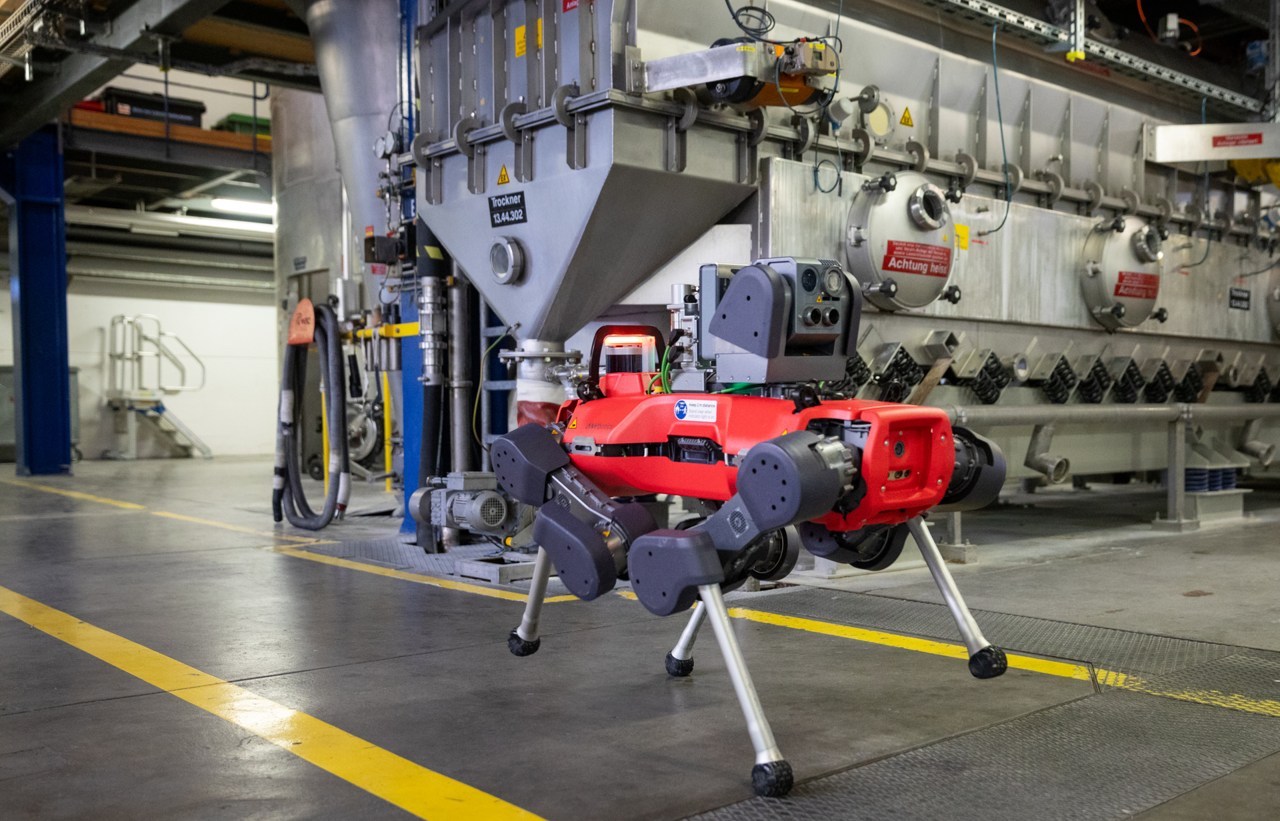
Industrial robots do not just execute commands. They collect data. An inspection robot in a manufacturing facility captures thermal profiles, acoustic signatures, vibration baselines, and visual records of equipment across thousands of inspection cycles. This data — detailed, high-fidelity records of how critical infrastructure operates — is also what adversaries, competitors, and nation-state intelligence services would most want to obtain. Securing it is not just about privacy; it is about protecting operational security and competitive advantage.
Full-Stack Responsibility
Security experts argue the solution requires full-stack accountability — taking ownership of security not just at the software layer but across the entire system, from physical sensors to cloud infrastructure. This is the approach Apple has taken with its device ecosystem. In robotics, the analog would be companies that design their own hardware, verify their own supply chains, and implement security architecture from the ground up rather than assembling systems from off-the-shelf components with unknown security histories.
For the industrial robotics market, this philosophy is becoming a competitive differentiator. Facility operators considering deploying autonomous systems in sensitive environments are asking security questions they would not have thought to ask five years ago, and vendors who cannot answer them satisfactorily are finding doors closing.
This article is based on reporting by The Robot Report. Read the original article.
Originally published on therobotreport.com