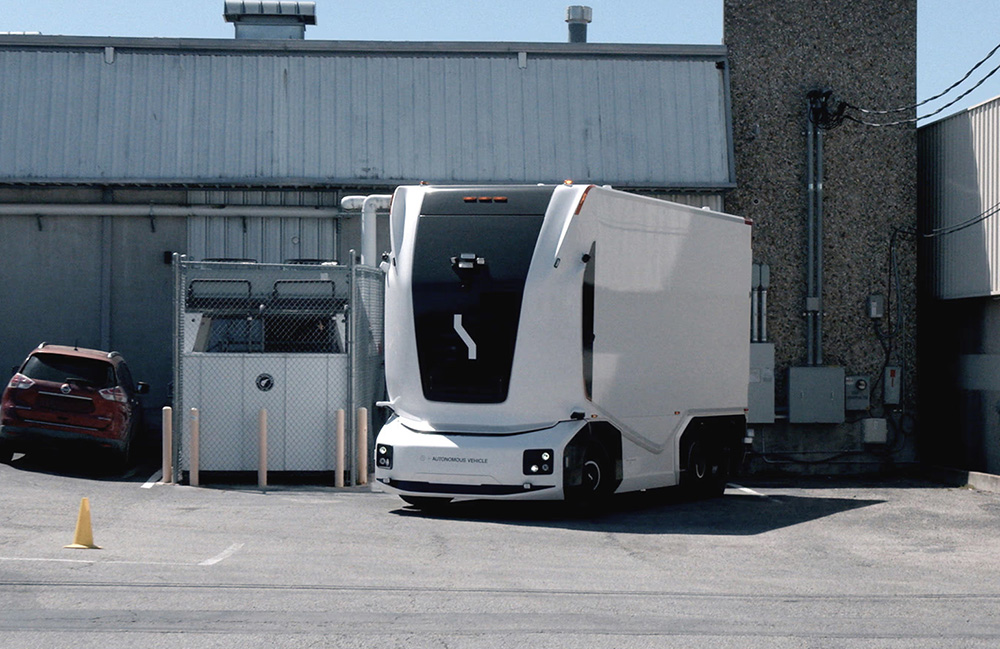
Autonomous freight has a new public-market entrant
Einride, the Stockholm-based company building electric and autonomous freight operations, is going public through a special purpose acquisition company. According to The Robot Report, Legato Merger Corp. III shareholders approved the business combination earlier this month, clearing the way for Einride to enter the public markets.
The move is significant because it places a company focused on both electrification and autonomy into a more demanding phase of scrutiny. Public listings do not guarantee long-term success, but they do force freight technology businesses to make their case against real revenue expectations, deployment timelines, and capital efficiency.
What Einride says it is building
Einride describes its platform as a combination of connected electric and autonomous heavy-duty vehicles, charging infrastructure, and an intelligent freight operating system. The company says its systems process more than 5.2 million data points per second to support perception, object detection, and navigation across complex routes.
The source report says Einride’s model combines cableless autonomous fleets, software, and human-driven electric trucks. That mixed approach is important. Rather than treating autonomy as an all-or-nothing replacement for existing freight operations, the company is positioning itself around an integrated network that can combine automation and electrification where each is practical.
Its operating system, Saga, is described as AI-powered, with licensed teams continuously overseeing autonomous operations. That detail points to a familiar pattern in real-world autonomy: even where vehicles are highly automated, deployment still depends on supervision, protocols, and carefully bounded operating environments.
A deployment strategy built around repeatable routes
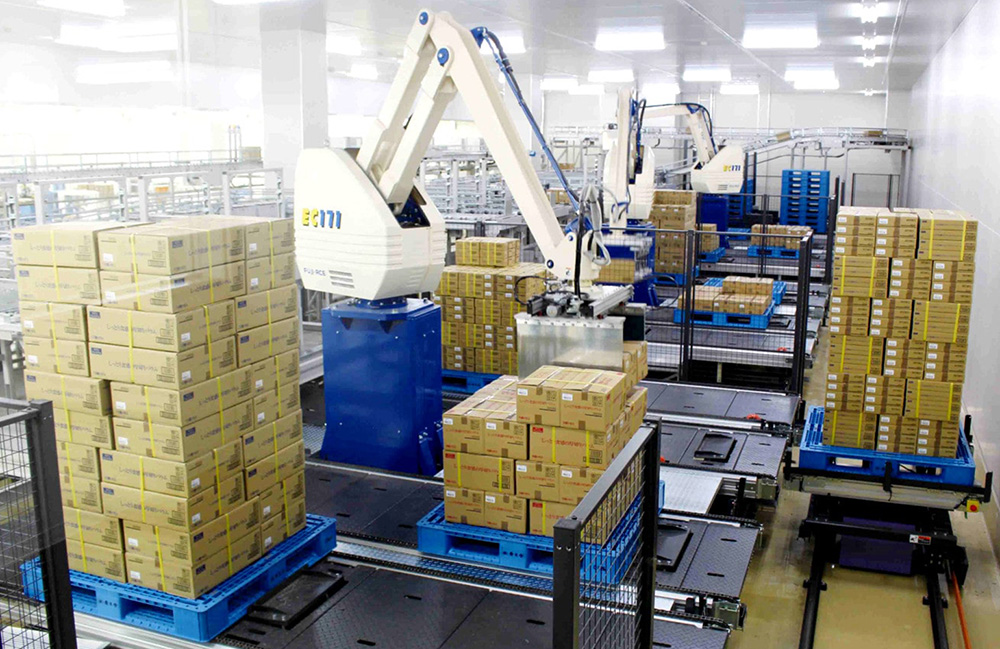
Einride says it begins by identifying high-volume, repetitive routes where autonomy can deliver strong utilization, cost efficiency, and operational stability. From there, it evaluates infrastructure, site interfaces, traffic conditions, and regulatory pathways before digitally modeling and stress-testing routes prior to launch.
This matters because freight autonomy has often struggled when companies try to leap from demonstrations to generalized operation. Einride’s stated process suggests a narrower, more operationally disciplined path: select the routes that are best suited to automation, validate them carefully, operate under permit, integrate into live freight flows, and then expand across more vehicles, lanes, and hours.
That approach may be less dramatic than visions of unrestricted self-driving trucks, but it is more consistent with how industrial automation usually scales. Repeatable environments and well-defined tasks remain the most credible proving grounds.
The revenue picture is starting to matter
Einride says it currently has more than 30 enterprise customers across seven countries and about $92 million in expected annual recurring revenue from signed contracts. The company also says it has secured more than $800 million in potential long-term ARR through joint business plans with major customers.
Those figures are notable because autonomous freight has spent years living on technical promise. Public-market investors will want evidence that deployments translate into contracted business rather than only pilot visibility. Signed ARR and multi-country customer relationships do not eliminate execution risk, but they offer a more concrete commercial story than the sector often had in earlier cycles.
The company also raised roughly $100 million last year from a mix of new and existing investors. Combined with the SPAC route, that indicates continued appetite from backers who believe decarbonized and automated freight can become a durable infrastructure category.

Why this listing matters for the sector
Einride’s public debut is a test not only for the company, but for the market narrative around autonomous logistics. Freight is a compelling target for autonomy because routes can be structured, utilization is high, and labor and fuel costs are central to economics. Add electrification, and the pitch becomes even broader: lower-emission transport paired with software-driven operational gains.
But those advantages have long collided with deployment complexity. Infrastructure, regulation, supervision, and customer integration all slow progress. The Robot Report’s account makes clear that Einride is trying to tackle those constraints as a systems company rather than as a vehicle-only startup.
That systems framing may be its strongest argument. Trucks alone do not transform freight networks. Coordinated software, charging, route planning, and supervised operations might.
Going public means the company now has to show that argument can hold under market pressure. If it can, Einride may become one of the clearest indicators that autonomous freight is moving from pilot-era storytelling into measured industrial scale-up.
This article is based on reporting by The Robot Report. Read the original article.
Originally published on therobotreport.com
