A major holdout changes course
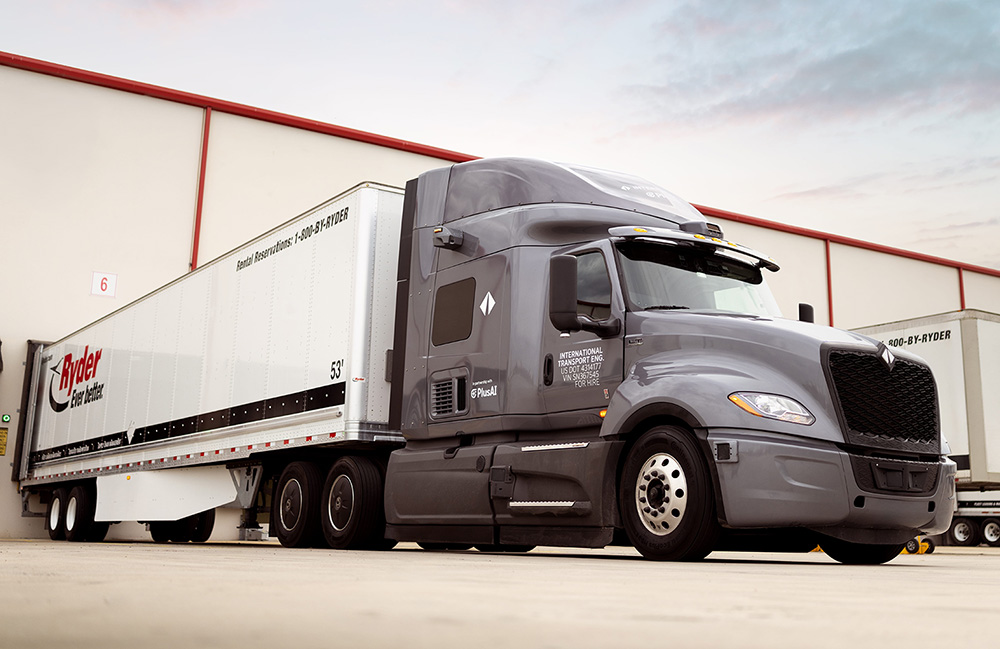
California has adopted new regulations that allow autonomous trucking companies to apply for testing permits, a significant policy shift in a state that has long stood apart from other parts of the U.S. where self-driving freight has gained traction. Until now, California barred autonomous vehicles weighing 10,001 pounds or more from operating on public roads.
The change matters because California is both a freight powerhouse and a central hub of autonomous vehicle development. When the state changes its rules, it does more than create a local opening. It can reset expectations for the national market.
The new opening comes with conditions
According to the supplied source text, the California Department of Motor Vehicles says companies will need to demonstrate the safety of their technologies in order to receive testing permits. Heavy-duty autonomous vehicles must also continue stopping at California Highway Patrol weigh stations and comply with all applicable state and federal commercial motor vehicle requirements.
That combination reflects the state’s attempt to strike a balance. California is inviting commercial experimentation, but not on the theory that trucking automation should get a lighter touch. If anything, the updated framework expands safety and oversight requirements for autonomous vehicles more broadly.
New rules for the whole AV sector
The regulations do more than legalize autonomous truck testing. The DMV also updated statewide rules for all self-driving vehicles. The supplied source text says law enforcement agencies will be able to cite AV companies for moving violations committed by their vehicles. Companies must respond to first-responder calls within 30 seconds, and local emergency officials can issue electronic geofencing directives to keep AVs out of active emergency zones.
Those provisions show regulators learning from earlier phases of robotaxi deployment, where interactions with emergency scenes and accountability for traffic behavior became flashpoints. California is effectively telling the industry that access to roads now comes with tighter obligations to public agencies.
Why the trucking fight matters
Autonomous trucks have long been one of the most commercially attractive forms of self-driving technology. Long-haul freight operates on repeatable routes, labor remains a major cost, and supply-chain resilience is a constant concern. Supporters argue that self-driving trucks could lower costs, improve highway safety, and strengthen logistics networks.
The Chamber of Progress, cited in the source text, called California’s move long overdue and said the state’s families and businesses could benefit from lower costs, stronger supply chains, and safer highways. The group also pointed to research suggesting autonomous trucks could increase the number of U.S. jobs by as many as 35,000.
The road from testing to deployment is still long
Opening the permit process is not the same as opening every highway to unrestricted autonomous freight. Companies still need to prove safety, satisfy regulators, and navigate public scrutiny in a state where transportation policy often becomes a proxy battle over labor, technology, and risk.
That makes California’s decision more important as a signal than as an instant market unlock. It tells developers that the state is no longer closed in principle to autonomous trucking. It also tells them that operational discipline, emergency responsiveness, and regulatory compliance will be part of the business case from the start.
A meaningful marker for physical AI
Self-driving trucking sits at the intersection of robotics, software, logistics, and industrial policy. California’s updated rules show how that intersection is maturing. The debate is moving from “Should this be allowed at all?” toward “Under what safeguards should it be allowed?”
That is often how new technologies become real industries. First comes the technical demonstration. Then comes the regulatory framework that converts demos into controlled commercial pathways. California has now taken a step into that second phase.
For autonomous truck developers, the state remains one of the most consequential proving grounds in America. With the new rules in place, it is no longer a closed one.
This article is based on reporting by The Robot Report. Read the original article.
Originally published on therobotreport.com