When AI Image Generation Meets Automotive Fraud
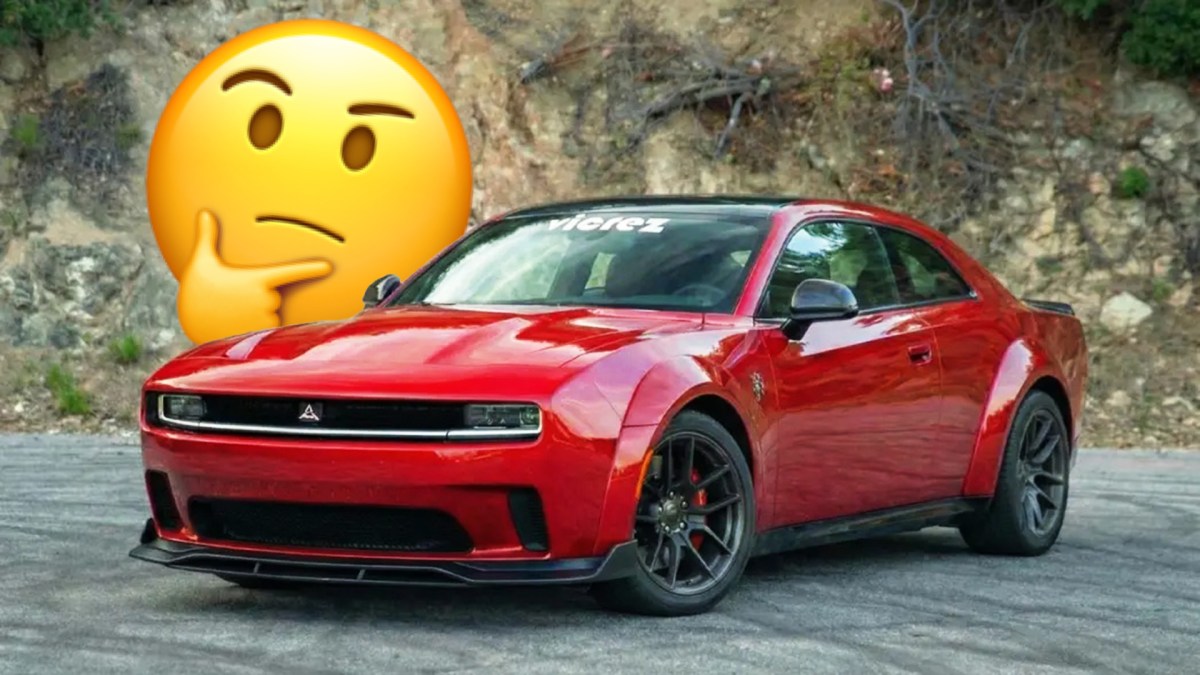
The intersection of artificial intelligence and deceptive marketing has produced a cautionary tale for automotive enthusiasts. Vicrez, an online aftermarket parts retailer, has been caught stealing professional photographs from The Drive's review of the 2024 Dodge Charger Daytona Scat Pack and using AI image generation tools to fabricate marketing images for a widebody body kit product. The discovery highlights a growing problem in the aftermarket automotive industry, where AI tools are making it trivially easy to create convincing but entirely fictional product images.
The theft was discovered by Bradley Iger, the original photographer and author of The Drive's Charger review published in March 2024. Iger recognized his own photographs being used in Vicrez's product listings, albeit with significant AI-driven modifications. He confirmed that he had not licensed or shared those images with any third party, making the use a clear case of intellectual property theft compounded by AI manipulation.
The Evidence of Digital Fabrication
A close examination of the altered images reveals telltale signs of AI manipulation that, once noticed, are difficult to unsee. The background elements in the photographs provide the most damning evidence. Rock formations, plant roots, debris, and tire marks that appear in the original photographs are present in the Vicrez marketing images but with subtle, inconsistent alterations. These background details are identical enough to confirm the original source but different enough to reveal that an AI tool has reprocessed the images rather than a human photographer capturing a new vehicle at the same location.
The vehicle itself shows clear signs of AI generation artifacts. The car's positioning and angles do not match consistently between different views of what is supposed to be the same modified vehicle. In one particularly telling inconsistency, the car features a black spoiler in the front three-quarter shot that completely disappears in the rear three-quarter view. Physical body kits do not selectively appear and vanish between photographs of the same car.
Additional details on the vehicle appear distorted in ways that cannot be explained by a physical body kit installation. Panel gaps, body lines, and surface details exhibit the kind of inconsistencies that are characteristic of AI image generation tools struggling to maintain physical accuracy across different viewing angles. These tools excel at creating images that look plausible at first glance but fall apart under scrutiny because they lack understanding of actual three-dimensional geometry.
Who Is Vicrez?
A deeper look into Vicrez reveals a company that relies heavily on the kind of digital storefront practices that obscure accountability. The company operates an online store with an Amazon-like interface, presenting a professional appearance that could easily fool casual shoppers into assuming legitimacy. The site features an AI-generated blog with no human bylines, another indicator of a company that prioritizes automated content generation over genuine expertise or credibility.
Vicrez previously maintained a brick-and-mortar shop in Santa Fe Springs, California, though customer reviews for that location were notably poor. Public records and job listings suggest the company currently operates out of Oklahoma. The combination of a dubious physical presence, AI-generated content, and now demonstrably fabricated product images paints a picture of a business that relies more on digital illusion than actual product development and manufacturing capability.
The critical question that the AI-generated images raise is whether the widebody body kit being advertised actually exists as a physical product. Creating a genuine widebody kit requires significant engineering investment, including mold design, material sourcing, fitment testing, and quality assurance. If Vicrez is unable or unwilling to photograph an actual kit installed on an actual vehicle, it raises serious questions about whether buyers would ever receive a product that matches what they ordered.
A Growing Problem in Aftermarket Auto Parts
The Vicrez incident is not an isolated case. The proliferation of AI image generation tools has created a new category of consumer fraud risk across the entire e-commerce landscape, but the automotive aftermarket is particularly vulnerable. Body kits, wheels, and exterior modifications are products that customers evaluate primarily through visual appeal. When the only evidence of a product's appearance is a photograph, and that photograph can now be fabricated convincingly with free or cheap AI tools, the traditional buyer protection of "seeing is believing" evaporates.
Social media and online marketplaces have long struggled with misleading product images, but the barrier to creating fake imagery was historically high enough that the worst offenders could be identified relatively easily. Poorly executed Photoshop work, obviously rendered 3D models, or stolen images with visible watermarks were common tells. AI image generation lowers that barrier dramatically, producing images that pass casual inspection even if they cannot withstand expert analysis.
For consumers shopping for aftermarket automotive parts online, the lesson is straightforward but worth repeating. Be deeply skeptical of product images that do not include installation photos on actual vehicles with visible surroundings that can be verified. Look for customer review photos rather than manufacturer-supplied images. Check whether the seller has a documented history and genuine customer feedback, and be especially wary of products that seem too good to be true from companies with minimal verifiable track records.
The Intellectual Property Dimension
Beyond the consumer fraud implications, the Vicrez case raises important questions about intellectual property protection in the age of AI image manipulation. Professional automotive photography represents a significant investment of skill, equipment, and access. Photographers and publications depend on the value of their images for revenue, whether through direct licensing, subscription models, or advertising-supported content.
When AI tools can take a copyrighted photograph and transform it sufficiently to create the appearance of a new, original image, the legal and practical protections that photographers and publishers rely on are undermined. The original creative work is clearly being used as the foundation for the generated image, but the AI-altered version may be different enough to complicate traditional copyright infringement claims.
This case serves as both a warning to consumers and a call to action for the automotive media industry to develop new strategies for protecting visual content in an era when AI can transform a stolen photograph into a convincing fake with minimal effort and expertise.
This article is based on reporting by The Drive. Read the original article.
Originally published on thedrive.com