The Used EV Market Hits Its Stride
Electric vehicle adoption is accelerating on a front that often gets overlooked: the used car market. Annual used EV sales climbed 35 percent in 2025 compared to the previous year, according to recent market data, with December alone posting a 10.2 percent year-over-year increase. More than half of used EV inventory is now priced under $30,000, making electric vehicles accessible to a much broader range of buyers than the premium-priced new market suggests.
The surge in used EV availability reflects the natural maturation of the electric vehicle market. As new EV sales have grown over the past several years, the first wave of those vehicles is now cycling through to the secondary market. Importantly, 55 percent of used EVs currently available are 2023 model year or newer, meaning buyers are increasingly finding relatively recent vehicles with modern range, features, and battery health at substantial discounts compared to new prices.
This accessibility shift matters enormously for broad EV adoption. While new electric vehicles have been the focus of most industry attention, the used car market is where the majority of vehicle transactions occur. As more affordable used EVs become available, the technology moves from an early-adopter luxury into mainstream transportation.
Tesla Still Dominates, but the Field Is Widening
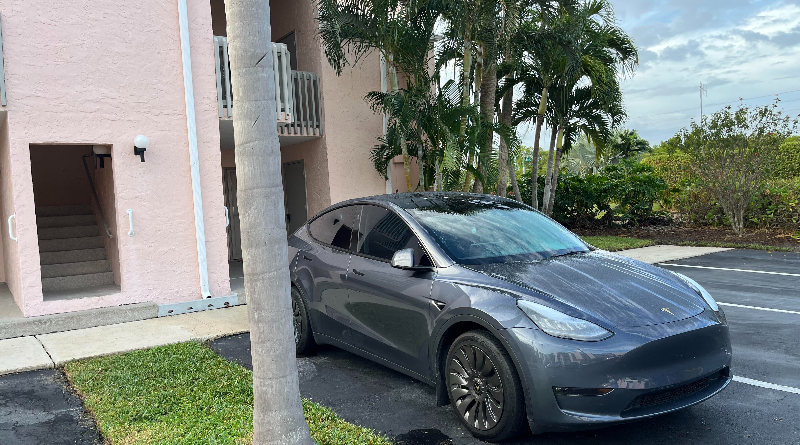
Tesla continues to hold the largest share of the used EV market at approximately 30 percent of inventory. The Model 3 leads with 13.74 percent market share at an average price of $26,756, followed by the Model Y at 9.33 percent with an average price of $32,712. The older Model S and Model X models round out Tesla's presence at higher price points.
However, the used EV market is diversifying rapidly as competitors' vehicles enter the secondary market in growing numbers. Models from Hyundai, Kia, Chevrolet, Ford, and BMW are increasingly available, giving buyers a range of choices across different sizes, price points, and feature sets. This diversification addresses one of the long-standing criticisms of the EV market, that consumers lacked the variety of options they are accustomed to with internal combustion vehicles.
The widening competitive field has implications for Tesla's market position. While the company's vehicles remain popular and hold their value relatively well, the brand no longer has the used EV market largely to itself. Buyers who might previously have defaulted to a used Tesla simply because it was the only viable option now have meaningful alternatives to consider.
Record Owner Satisfaction
JD Power's 2026 EV ownership study found that consumer satisfaction with electric vehicles has reached record levels, with the Tesla Model 3 and Model Y taking the top two spots. The BMW i4 ranked third, followed by strong showings from several other manufacturers across different segments.
Perhaps more significant than the rankings is the finding about purchase intent. According to the study, most current EV owners say they would consider another electric vehicle for their next purchase regardless of whether federal tax credits remain available. This suggests that EV adoption has crossed a tipping point where the driving experience itself, rather than financial incentives, is sustaining demand.
Consumer Reports corroborated the satisfaction findings, identifying Rivian and BMW as the top-rated EV brands, with Tesla, Ford, Genesis, and Lexus also performing strongly. The convergence of multiple independent surveys pointing to high EV satisfaction suggests that the "EV regret" narrative that has circulated in some media coverage does not reflect the majority experience.
Infrastructure Keeps Expanding
The charging infrastructure that supports EV adoption continued to grow in 2025. The National Electric Vehicle Infrastructure (NEVI) program, which provides federal funding for fast-charging stations along highway corridors, added approximately 18,000 new fast chargers during the year despite some political headwinds around the program's pace and effectiveness.
The expansion of fast-charging networks is particularly important for used EV buyers, who may be purchasing vehicles with slightly less range than the latest models. A denser network of fast chargers reduces range anxiety and makes EVs practical for a wider variety of driving patterns, including longer road trips that might have been impractical with older EVs and sparser charging options.
Tesla's Supercharger network, which has begun opening to non-Tesla vehicles through the adoption of the NACS charging standard by most major automakers, has further simplified the charging landscape. Used EV buyers can now access the most extensive fast-charging network in North America regardless of which brand they purchase.
The Affordability Tipping Point
The combination of falling used EV prices, growing inventory, and proven owner satisfaction suggests that the electric vehicle market is approaching what many analysts have described as an affordability tipping point. When reliable used EVs are available for under $20,000, as an increasing number now are, the total cost of ownership equation shifts decisively in favor of electric, with lower fuel costs, reduced maintenance expenses, and competitive insurance rates adding up to meaningful savings over the life of the vehicle.
For consumers who have been watching the EV transition from the sidelines, waiting for the technology to prove itself and for prices to come down, 2025 and 2026 may mark the moment when the wait is over. The used EV market is delivering on the long-promised vision of affordable, practical electric transportation, and the data suggests that buyers who make the switch are overwhelmingly happy with their decision.
This article is based on reporting by CleanTechnica. Read the original article.
Originally published on cleantechnica.com