The Sedan Revival Everyone Saw Coming
Something unexpected is happening in Detroit. After spending the better part of a decade systematically eliminating sedans and small cars from their lineups in favor of more profitable SUVs and trucks, all three major American automakers are now publicly expressing interest in bringing back the very vehicles they abandoned. General Motors, Ford, and Stellantis are each, in their own way, signaling that the era of sedan exile may be nearing its end.
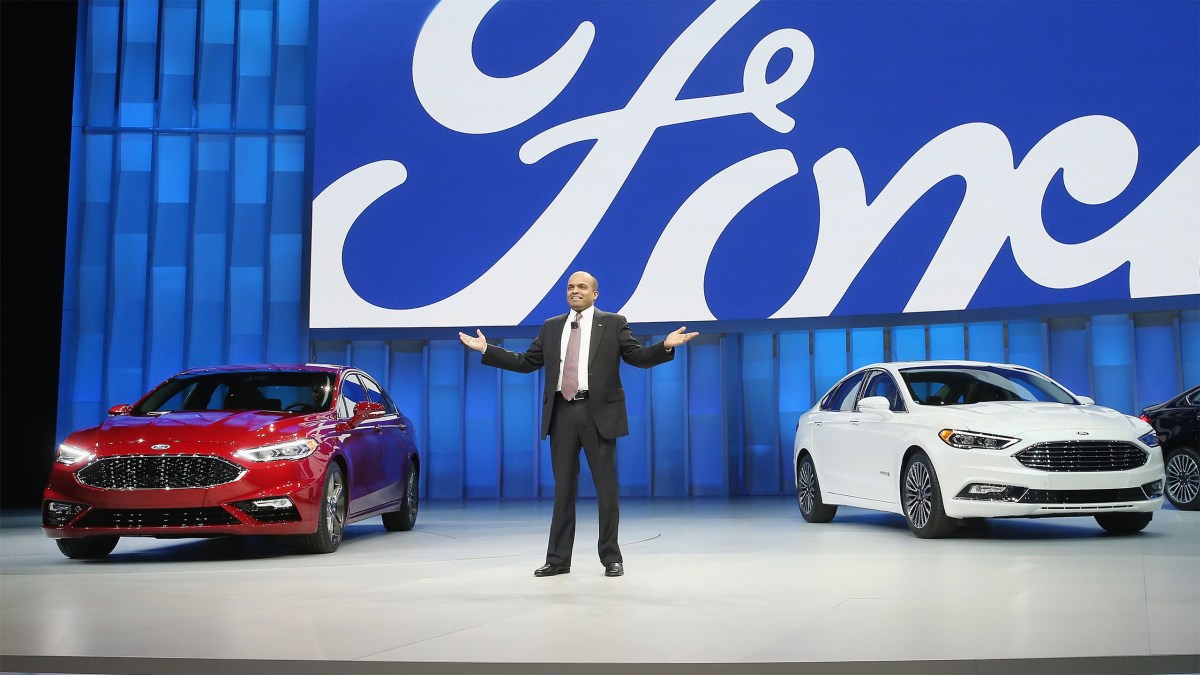
GM President Mark Reuss has been perhaps the most direct, stating that he "would kill to have a hybrid-electric sedan" and indicating the company is actively developing one. Ford CEO Jim Farley has acknowledged that the sedan market remains "very vibrant" while candidly noting that profitability challenges have historically prevented American companies from competing effectively in the segment. And Chrysler CEO Chris Feuell has teased a sub-$30,000 compact vehicle that she promises will be "beautiful and fun to drive and aspirational."
The timing of these announcements, all arriving within a narrow window, is not coincidental. It reflects a convergence of market forces that are making the sedan segment too lucrative and too strategically important to ignore any longer.
The Numbers Tell the Story
Consumer survey data provides concrete evidence of pent-up demand. A recent AutoPacific study that surveyed 18,000 consumers planning vehicle purchases within the next three years found that over one-third expressed interest in sedans, with particular demand concentrated in the midsize and large sedan categories. This is a striking figure in a market that Detroit's own product decisions have starved of domestic options.
Meanwhile, Asian automakers have been quietly demonstrating that sedans can be highly profitable when done well. Kia's K4 ranked second in the brand's January sales figures. Honda's Civic and Accord trailed only the CR-V in the company's sales mix. Toyota's Corolla and Camry continue to generate strong volumes, and Hyundai's Elantra posted sales gains through 2025. These are not niche products clinging to life on the margins. They are high-volume, profitable vehicles that American buyers continue to purchase in large numbers from brands willing to build them.
The market reality is that Detroit automakers did not lose sedan buyers because those buyers stopped existing. They simply handed them to competitors. Every Camry and Civic sold represents a customer that an American brand could theoretically have served if it had offered a competitive product.
Why Sedans Are Making Sense Again
Several factors are converging to make the sedan business case more compelling than it has been in years. The most significant is vehicle affordability. New vehicle transaction prices have climbed steadily, with the average price hovering around $48,000 in recent months. SUVs and trucks, which dominate American brand portfolios, skew even higher. For a growing number of consumers squeezed by inflation across housing, groceries, and other essentials, a well-equipped sedan in the $25,000 to $35,000 range represents the most accessible path to new car ownership.
The shift toward hybrid and electric powertrains also favors sedans from an engineering standpoint. Sedans' lower weight and superior aerodynamics compared to SUVs translate directly to better fuel economy for hybrids and longer range for EVs. As automakers face increasingly stringent corporate average fuel economy standards, adding efficient sedans to their lineups helps balance the less efficient trucks and SUVs that generate their highest profit margins.
There is also a cultural dimension. The SUV boom was driven partly by the perception that bigger equaled better and safer. But a new generation of buyers, shaped by different priorities around sustainability, urban living, and value consciousness, does not necessarily share that assumption. Sedans are easier to park, cheaper to insure, and more pleasant to drive on the winding roads and crowded urban streets where most Americans actually spend their driving time.
The Credibility Problem
For all the encouraging signals, Detroit's sedan ambitions face a fundamental credibility challenge: American automakers have tried this before and walked away when things got difficult. The pattern is remarkably consistent across multiple cycles.
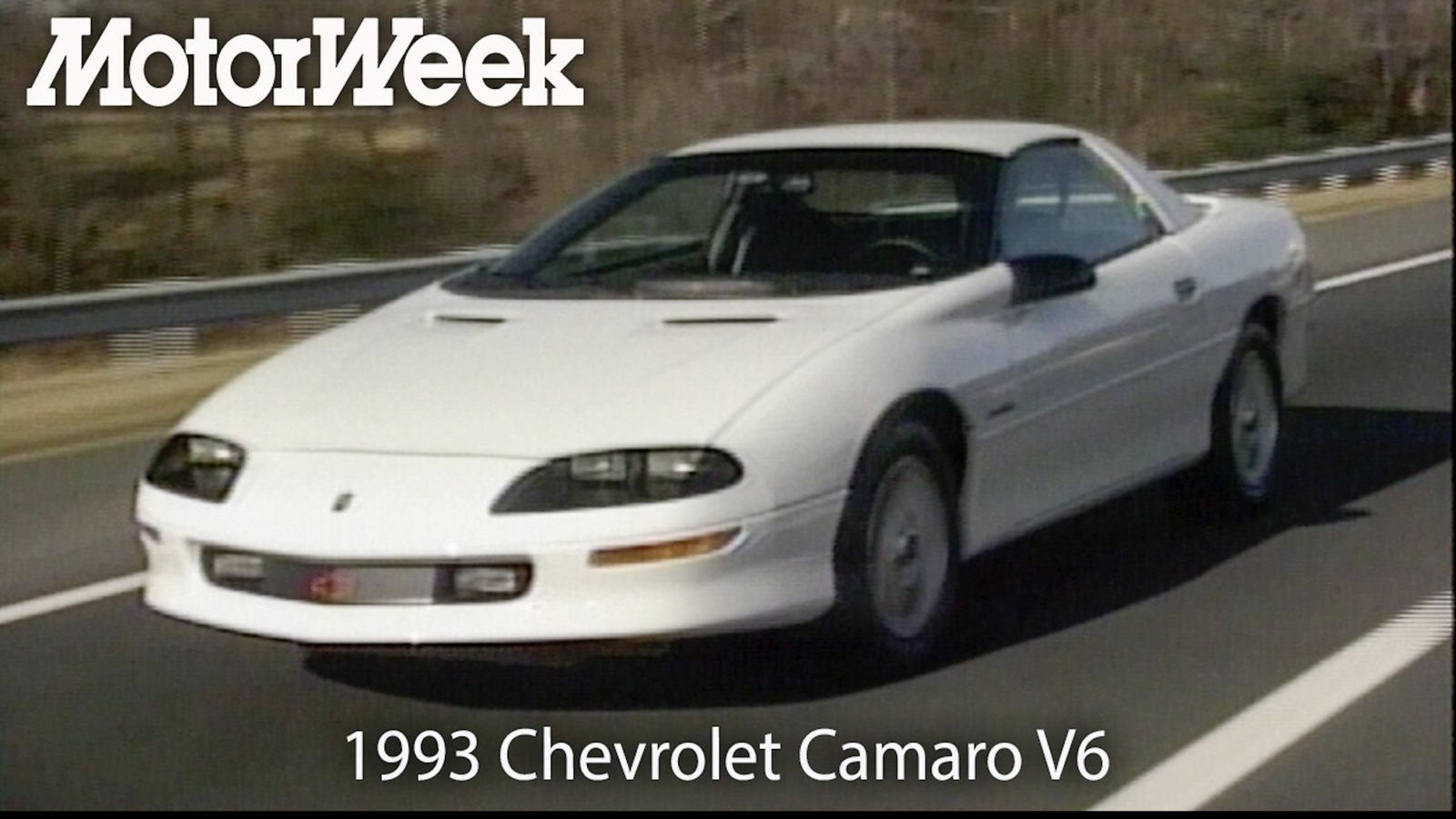
In the aftermath of the 2008 financial crisis and the associated spike in fuel prices, all three Detroit automakers committed to building competitive small cars. Ford invested heavily in the Focus and Fiesta. Chevrolet launched the Cruze. Dodge introduced the Dart. For a few years, the commitment appeared genuine, with meaningful investment in product quality and marketing support.
But that commitment lasted roughly five to six years before the allure of SUV and truck profit margins proved irresistible. Ford made the most dramatic exit, announcing in 2018 that it would eliminate all passenger cars from its North American lineup except the Mustang. GM and Stellantis followed similar, if slightly less dramatic, paths. The message to consumers was clear: if you want a sedan, buy a Toyota or a Honda.
The risk is that this cycle simply repeats itself. Detroit automakers build sedans while market conditions favor them, then abandon the segment as soon as truck and SUV demand recovers or profit margins come under pressure. Consumers who invested their loyalty in a domestic sedan find themselves orphaned, their vehicles no longer supported with the same enthusiasm, and their next purchase decision pushed toward a Japanese or Korean brand that never left.
What Needs to Be Different This Time
For Detroit's sedan revival to succeed where previous attempts failed, automakers will need to demonstrate a level of commitment that transcends the typical product cycle. That means building sedans on flexible platforms that can be adapted quickly to changing market conditions, investing in the kind of interior quality and driving dynamics that justify choosing a domestic product over an established Asian competitor, and maintaining production and marketing support even during periods when SUV sales are booming.
It also means realistic pricing. Chrysler's sub-$30,000 target is encouraging, but the vehicle needs to deliver genuine value at that price point rather than feeling stripped down compared to a similarly priced Civic or Corolla. American consumers have plenty of experience with domestic small cars that felt like afterthoughts, and they will not fall for it again.
The ingredients for success exist. The market demand is real, the technology is available, and the competitive landscape has left a gap that domestic brands could fill. The question is not whether Detroit can build good sedans. It is whether Detroit will stick around long enough to prove it.
This article is based on reporting by The Drive. Read the original article.
Originally published on thedrive.com