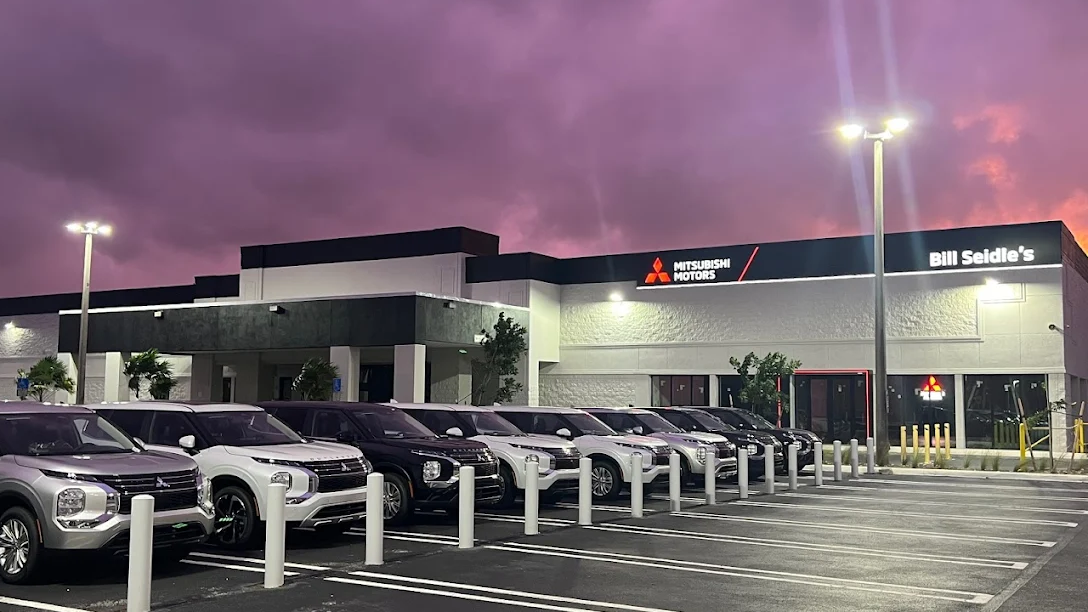
Retail Consolidation Continues in South Florida
Dream Motor Group has expanded its presence in South Florida through the purchase of Nissan and Mitsubishi dealerships in Doral, Florida. According to Automotive News, the buyer acquired the stores from Bill Seidle’s Automotive Group, increasing Dream Motor’s footprint in the region to four dealerships.
The transaction is notable not because it reshapes the national auto market on its own, but because it fits a broader pattern of dealership consolidation, regional clustering, and brand portfolio expansion. South Florida remains one of the more strategically attractive retail markets in the United States, with dense population, import-brand demand, and a competitive dealership landscape. Adding two stores in Doral strengthens Dream Motor’s local scale and suggests continued confidence in brick-and-mortar retail as an operating model, even as the sector faces pressure from affordability concerns and changing vehicle demand.
A Targeted Regional Expansion
Automotive News identifies Dream Motor Group as being co-owned by former University of Alabama football coach Nick Saban. That detail gives the transaction broader visibility, but the strategic point is the regional expansion itself. With these two additional locations, the group now has four stores in South Florida, giving it a more meaningful local network rather than a scattered presence.
That matters operationally. A multi-store footprint in one metro area can support shared management capabilities, better regional marketing, and tighter coordination in used inventory, service capacity, and financing relationships. Even without additional financial details, the geographic logic of the deal is straightforward: clustering stores can improve efficiency and make a dealer group more resilient than a single-location operation.
The choice of brands also deserves attention. Nissan remains a significant mainstream import brand, while Mitsubishi occupies a smaller but distinct position in the market. Carrying both can widen the customer base accessible through the group’s South Florida operations and diversify its exposure across different price points and demand segments.
What the Deal Says About the Market
Automotive News published the acquisition alongside broader coverage of market volatility, affordability pressures, and fuel-price concerns. While the article excerpt supplied here focuses specifically on the Doral transaction, that surrounding context helps explain why dealership acquisitions still matter. Retailers that believe they can perform through uncertain conditions may use acquisitions to gain share, deepen local scale, or position themselves for future shifts in consumer demand.
Dealership ownership remains a business where local execution matters. Service retention, used-car sourcing, and financing performance can all vary sharply by operator. In that environment, acquisitions are not just bets on brand value; they are bets on management capability. Expanding from two to four stores in a single region implies that Dream Motor sees room to build a stronger operating platform rather than merely accumulate assets.
There is also a timing element. When the market is unsettled, sellers and buyers often approach transactions differently. Some owners decide that scale requirements or succession issues make a sale attractive. Others see temporary uncertainty as an opportunity to buy into a good market. The Doral transaction appears to fit that second pattern: an acquirer increasing local reach even as the industry braces for a less predictable year.
Why This Matters Beyond One Deal
Single dealership acquisitions rarely become national news unless the buyer is unusually prominent. But these deals are still useful signals. They show where operators want scale, which markets remain attractive, and how franchise groups are positioning themselves as the vehicle market evolves.
South Florida’s appeal is not hard to understand. It is a large and economically active region with a strong import-brand base and steady replacement demand. For dealer groups, building density there can create long-term advantages in advertising efficiency, staffing, and customer retention. The addition of Nissan and Mitsubishi stores in Doral gives Dream Motor a larger regional platform from which to pursue those advantages.
The available reporting does not provide terms, valuation, or post-acquisition integration details. Even so, the transaction clearly signals continued appetite for dealership expansion in strong metro markets. At a time when the retail auto sector is balancing margin pressure, affordability questions, and shifting consumer preferences, strategic local scale remains valuable.
That is the main takeaway from the Dream Motor purchase. It is not simply a celebrity-linked business headline. It is another sign that, in automotive retail, control of the right regional footprint is still one of the most important competitive assets an operator can own.
This article is based on reporting by Automotive News. Read the original article.
Originally published on autonews.com