టెక్నోసిగ్నేచర్ సంకేతాల మరో జంట జారిపోతుంది
బయటి బుద్ధిమంత జీవుల టెక్నోసిగ్నేచర్ల కోసం స్వీడన్ నేతృత్వంలో జరిగిన అన్వేషణ, నాసా జేమ్స్ వెబ్ స్పేస్ టెలిస్కోప్తో చేసిన అనుసరణ పరిశీలనల తర్వాత మరో రెండు డైసన్ స్ఫియర్ అభ్యర్థులను ఖండించింది, ఎందుకంటే అనుమానాస్పద ఇన్ఫ్రారెడ్ సంకేతాలకు మరింత సాధారణమైన వివరణలు లభించాయి.
ఈ పని ఉప్పసాలా విశ్వవిద్యాలయం నేతృత్వంలోని Project Hephaistos నుండి వచ్చింది. ఇది పెద్ద కృత్రిమ నిర్మాణాల వల్ల కొంతమేర దాచబడే అవకాశమున్న నక్షత్రాల కాంతిలో సూచనలు వెతికి, అభివృద్ధి చెందిన నాగరికతల సంభావ్య ఆధారాలను అన్వేషిస్తోంది. ఈ సందర్భంలో, వెబ్ ఇమేజింగ్ మరియు స్పెక్ట్రోస్కోపీ సంభావ్య అభ్యర్థులుగా కనిపించిన రెండు M-డ్వార్ఫ్ నక్షత్రాలను లక్ష్యంగా చేసాయి. అందించిన మూల పాఠ్యం ప్రకారం, ఈ రెండు వస్తువులు ఇప్పుడు డైసన్ స్ఫియర్ అభ్యర్థులుగా నుండి తొలగించబడ్డాయి.
పరగ్రహ సాంకేతికత అన్వేషణలో ఒక పెద్ద పురోగతి కోసం ఆశించే వారికి ఈ ఫలితం నిరాశ కలిగించవచ్చు. కానీ ఇది ఇంకా ముఖ్యమైన విజ్ఞానం. అభ్యర్థుల స్క్రీనింగ్ వాస్తవంలో ఎలా పనిచేస్తుందో, అసాధారణ వ్యాఖ్యానాలు నిలవాలంటే మరింత సున్నితమైన అనుసరణ పరిశీలనలు ఎందుకు అవసరమో ఇది చూపిస్తుంది.
డైసన్ స్ఫియర్లు ఎందుకు దృష్టిని ఆకర్షిస్తాయి
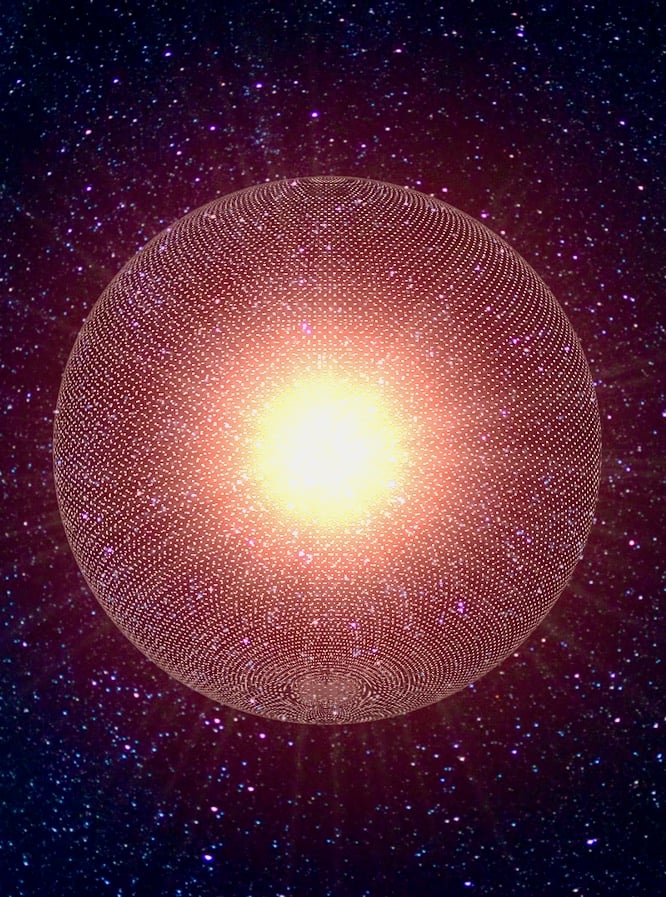
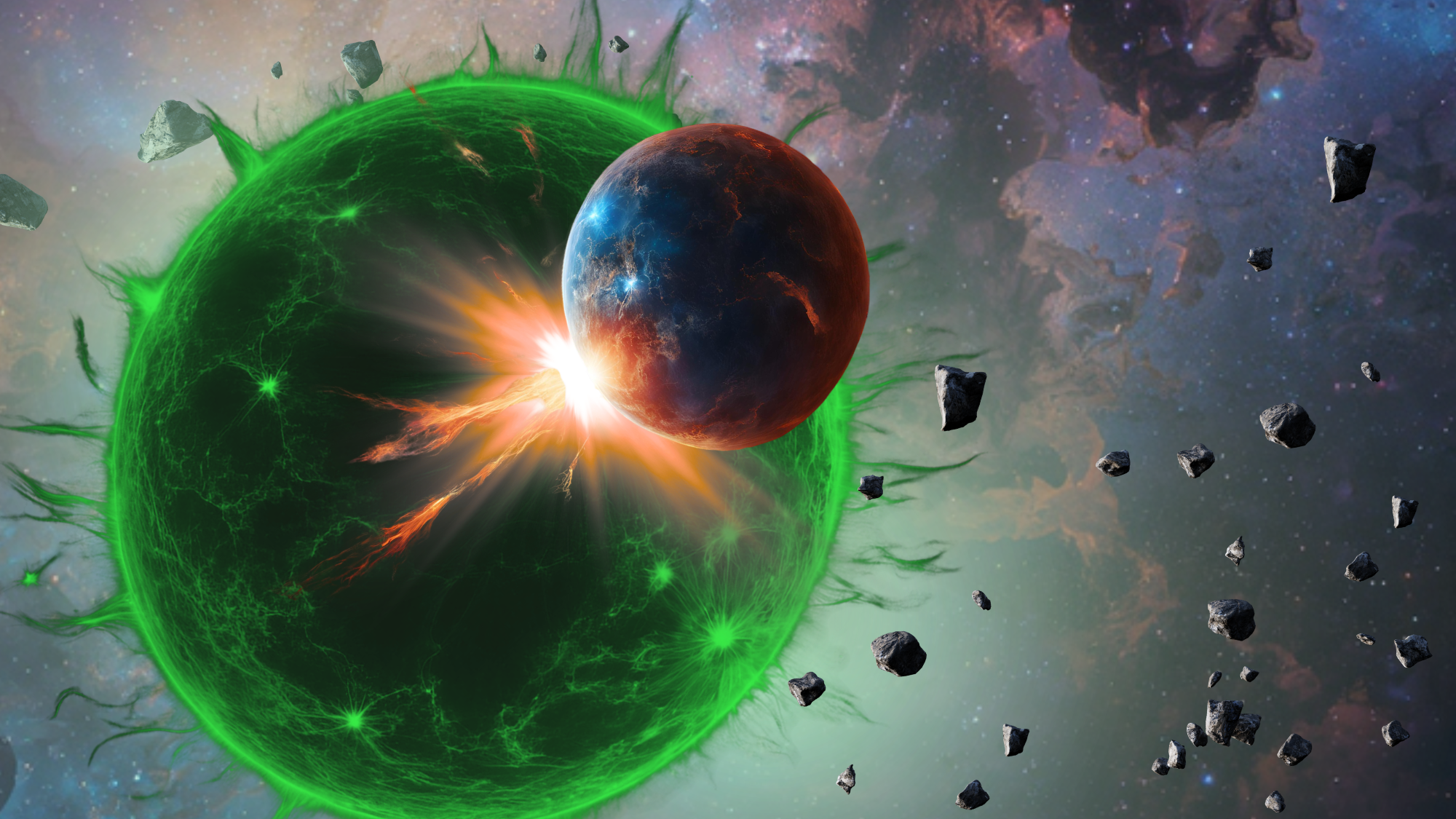
డైసన్ స్ఫియర్లు అనేవి నక్షత్రాల చుట్టూ శక్తిని సేకరించడానికి నిర్మించే ఊహాత్మక మెగాస్ట్రక్చర్లు. అత్యంత విస్తృత రూపంలో, ఇవి ఒక నక్షత్ర వికిరణంలో పెద్ద భాగాన్ని పట్టుకునే పదార్థపు గుంపులు లేదా పొరలుగా ఊహిస్తారు. ఈ నిర్మాణాల కోసం వెతుకుతున్న పరిశోధకులు సాధారణంగా ఒక పరోక్ష సంకేతంపై దృష్టి పెడతారు: వ్యర్థ ఉష్ణం.
ఒక నాగరికత విశాల స్థాయిలో నక్షత్ర శక్తిని సేకరిస్తే, ఆ శక్తిలో కొంత భాగం బహుశా ఉష్ణంగా మళ్లీ వికిరణం కావచ్చు, ముఖ్యంగా ఇన్ఫ్రారెడ్లో. అందుకే ఇన్ఫ్రారెడ్ అధికత పరిశోధకులు చూసే ప్రధాన టెక్నోసిగ్నేచర్లలో ఒకటి. ఆప్టికల్ తరంగదైర్ఘ్యాల్లో అసాధారణంగా మసకగా కనిపించి, ఇన్ఫ్రారెడ్లో అనూహ్యంగా ప్రకాశవంతంగా ఉండే నక్షత్రం తదుపరి అధ్యయనానికి అభ్యర్థిగా మారుతుంది.
అదే Project Hephaistos వెనుక ఉన్న ప్రాథమిక తర్కం. మూల పదార్థంలో చెప్పినట్లుగా, బృందం మొదట యూరోపియన్ స్పేస్ ఏజెన్సీ Gaia మిషన్ మరియు NASA యొక్క Wide-field Infrared Survey Explorer, లేదా WISE, డేటాను ఉపయోగించి భూమి నుంచి సుమారు 1,000 కాంతి సంవత్సరాల పరిధిలో ఉన్న దాదాపు పది లక్షల నక్షత్రాలను సర్వే చేసింది. తక్కువ ఆప్టికల్ ఫ్లక్స్ మరియు పెరిగిన ఇన్ఫ్రారెడ్ ఉద్గారం అనే అసాధారణ కలయిక ఉన్న నక్షత్రాలను గుర్తించడమే లక్ష్యం.

వెబ్ బదులుగా ఏమి కనుగొంది
కొత్త వెబ్ పరిశీలనలు చిత్రాన్ని మార్చాయి. నక్షత్రాల చుట్టూ ఉన్న నిర్మాణాల నుంచే అధిక ఇన్ఫ్రారెడ్ వికిరణం వస్తుందని నిర్ధారించకుండా, అనుసరణ అధ్యయనం ఆ సంకేతాలు ఆకాశంలో M-డ్వార్ఫ్ నక్షత్రాలకు చాలా దగ్గరగా ప్రొజెక్ట్ అయిన నేపథ్య గ్యాలక్సీల వల్ల వచ్చాయని చూపించింది.
మూల పాఠ్యంలో రచయితలు చెప్పిన ప్రకారం, ఇన్ఫ్రారెడ్ అధికత Dysonian మెగాస్ట్రక్చర్ల నుంచీ లేదా నక్షత్రాలకు దగ్గరగా ఉన్న ఇతర వికిరణ విధానాల నుంచీ ఉద్భవించదు. బదులుగా, ఇది పరిశీలకుడి దృష్టికోణంలో లక్ష్య నక్షత్రాలకు సుమారు ఒక ఆర్క్సెకండ్ లోపల ఉన్న గ్యాలక్సీల నుంచి వస్తుంది.
ఆ నేపథ్య గ్యాలక్సీలలో ఒకదానికి మధ్య-ఇన్ఫ్రారెడ్ స్పెక్ట్రం ఖగోళ శాస్త్రవేత్తలు Hot Dust Obscured Galaxy, లేదా Hot DOG, అని పిలిచే దానికి అనుగుణంగా ఉంది. మరొకదాన్ని విస్తరించిన ఆకృతి, ప్రకాశవంతమైన ముడులు, మరియు ధూళితో కూడిన స్టార్బర్స్ట్ గ్యాలక్సీకి అనుగుణమైన స్పెక్ట్రంతో వివరించారు. ఇతర మాటల్లో చెప్పాలంటే, మొదట అభ్యర్థి నక్షత్రాల్లో అసాధారణంగా కనిపించిన ఇన్ఫ్రారెడ్ లక్షణాలను, దాదాపు అదే దిశలో యాదృచ్ఛికంగా సరిపోయిన దూర గ్యాలాక్టిక్ మూలాలు వివరించగలవు.
ఇదే టెక్నోసిగ్నేచర్ పనిని ఇంత కఠినంగా 만드는 అనిశ్చితి. ఇన్ఫ్రారెడ్ అసాధారణతలు ఆసక్తికరంగా ఉండొచ్చు, కానీ విశ్వంలో ధూళి-సమృద్ధి, వేడి-ప్రకాశవంతమైన వికిరణానికి అనేక సహజ మూలాలు ఉన్నాయి. ఉన్నత-రిజల్యూషన్ అనుసరణ లేకుండా, వాటిలో కొన్ని మరింత విచిత్రమైనదేదోలా కనిపించవచ్చు.
విఫలం కాదు, పద్ధతికి పాఠం
అభ్యర్థుల తొలగింపు అనేది శోధన దారి తప్పిందని సూచన కాదు. ఫిల్టరింగ్ ప్రక్రియ పనిచేస్తోందని దీనర్థం. Project Hephaistos విస్తృత సర్వే పద్ధతుల నుంచి మరింత సంకుచితమైన, మరింత ఎంపికాత్మక పరిశీలనా ప్రచారాలవైపు కదులుతున్నట్లు కనిపిస్తోంది, వెబ్ను ఉపయోగించి అభ్యర్థి సంకేతాలు ఎక్కువ వివరంగా చూసినప్పుడు నిలుస్తాయా లేదా పరీక్షిస్తోంది.
ఇది ముఖ్యమైనది, ఎందుకంటే టెక్నోసిగ్నేచర్ విజ్ఞానం తరచుగా తప్పుడు పాజిటివ్లను తిరస్కరించడం ద్వారా ముందుకు సాగుతుంది. బలమైన శోధన నేపథ్య గ్యాలక్సీలు, ధూళి, పరికర పరిమితులు, మరియు సాధారణ ఖగోళ భౌతిక ప్రక్రియల నుండి వచ్చే కలుషితాన్ని తట్టుకోవాలి. తిరస్కరించబడిన ప్రతి అభ్యర్థి భవిష్యత్ శోధనల కోసం ప్రమాణాలను మెరుగుపరచడంలో సహాయపడుతుంది, ఏ రకమైన సంకేతాలు పరిశోధకులను తప్పుదోవ పట్టించే అవకాశం ఎక్కువో స్పష్టంచేస్తుంది.
మూల పాఠ్యం సవాలులోని పరిమాణాన్నీ హైలైట్ చేస్తుంది. ఉప్పసాలా విశ్వవిద్యాలయంలో ఖగోళ భౌతిక శాస్త్రంలో సీనియర్ లెక్చరర్ మరియు Project Hephaistos బృంద సభ్యుడైన Andreas Korn, వెబ్ పని ముందరి పది లక్షల నక్షత్రాల సర్వేలో గుర్తించిన నక్షత్రాలపై అనుసరణ చేసిందని చెప్పారు. అంటే పరిశోధకులు అత్యంత పెద్ద డేటాసెట్ల నుంచి అసాధారణ సూక్ష్మ అవకాశాలను వెలికితీయడానికి ప్రయత్నిస్తున్నారు, అక్కడ తప్పుడు పాజిటివ్ల చిన్న రేటు కూడా అనేక ఆసక్తికరమైన, కానీ చివరికి సహజమైన వివరణలను సృష్టించగలదు.
నల్ ఫలితం ఎందుకు ఇంకా ముఖ్యం
ప్రజాదరణ పొందిన సంస్కృతిలో, పరగ్రహ మెగాస్ట్రక్చర్ల అన్వేషణను తరచుగా ఒక ద్విచ్ఛేద ప్రశ్నగా చూస్తారు: లేదా ఒక సంచలనాత్మక ఆవిష్కరణ జరుగుతుంది, లేదా ఉపయోగకరమైనదేమీ జరగదు. వాస్తవ విజ్ఞానం అంత నాటకీయంగా కాకుండా, మరింత సమిష్టిగా ఉంటుంది. ఈ వెబ్ పరిశీలనల విలువ, అవి సంభావ్య వ్యాఖ్యానాల హద్దులను ఎలా పదును పెడతాయన్న దానిలో ఉంది.
ఈ రెండు అభ్యర్థులు వాస్తవానికి నేపథ్య గ్యాలక్సీలతో గందరగోళపడ్డాయని చూపడం ద్వారా, ఈ అధ్యయనం భవిష్యత్ టెక్నోసిగ్నేచర్ సర్వేలకు స్పష్టమైన హెచ్చరికను ఇస్తుంది. సమీప నక్షత్రాల చుట్టూ కనిపించే ఇన్ఫ్రారెడ్ అధికత కోసం నేపథ్యంలోని దగ్గరగా ప్రొజెక్ట్ అయిన సహచరాలను ప్రత్యేకంగా జాగ్రత్తగా తనిఖీ చేయాల్సి రావచ్చు. ఇది ఒక పరిశీలనా పాఠం, అటువంటి పాఠాలు ఈ రంగాన్ని మెరుగుపరుస్తాయి.
శీర్షికలకు ఆకర్షణీయమైన చిత్రాలకు మించి వెబ్ పాత్రను కూడా ఈ ఫలితం హైలైట్ చేస్తుంది. దాని ఇమేజింగ్ మరియు స్పెక్ట్రోస్కోపిక్ పరికరాలు విస్తృత సర్వేలు స్పష్టంగా వేరు చేయలేని మూలాలను విడదీయగలవు, అందువల్ల ఖగోళ శాస్త్రజ్ఞులు విచిత్ర సంకేతం ఆసక్తి ఉన్న వస్తువుదేనా, లేక దృష్టి రేఖలో ఇంకేదైనా దానిదా అని నిర్ధారించగలరు.
అన్వేషణ కొనసాగుతోంది
ఇక్కడ ఎలాంటి డైసన్ స్ఫియర్ కనుగొనబడలేదు, తాజా శోధన కూడా మళ్లీ ఖాళీచేతులతో ముగిసిందని మూల పాఠ్యం స్పష్టంచేస్తోంది. అయినప్పటికీ, విస్తృత ప్రయత్నం కొనసాగుతోంది. పెద్ద నక్షత్ర జనాభాల సర్వేలు, ఆపై వెబ్ వంటి పరికరాల ద్వారా చేసే లక్ష్యిత పరిశీలనలు, అసాధారణ ఇన్ఫ్రారెడ్ సంకేతాలు కఠిన పరీక్షలో నిలబడతాయా లేదా చూడడానికి ఉన్న మరింత పద్ధతిసంబంధ మార్గాల్లో ఒకటి.
ప్రస్తుతం, ఈ రెండు లీడ్లు ఖగోళ శాస్త్రంలో పరిచితమైన వర్గంలో చేరాయి: సహజ వివరణలతో కూడిన ఆసక్తికరమైన అసాధారణతలు. ఇది అభివృద్ధి చెందిన నాగరికతకు ఆధారం కనుగొనడం అంత థ్రిల్లింగ్ కాకపోయినా, నమ్మదగిన అన్వేషణలు ఇలాగే నిర్మితమవుతాయి. టెక్నోసిగ్నేచర్ విజ్ఞానంలో ఏదైనా సంభావ్య మైలురాయికి దారి, విశ్వం కృత్రిమం కాకుండా ఎంత విధాలుగా విచిత్రంగా కనిపించగలదో జాగ్రత్తగా తొలగిస్తూ వెళ్లడమే.
ఈ వ్యాసం Universe Today నివేదికపై ఆధారపడింది. అసలు వ్యాసాన్ని చదవండి.
Originally published on universetoday.com