నాసా ఆర్టెమిస్ II వ్యోమగాములు దేశంలోని అత్యున్నత అంతరిక్ష యాత్ర గౌరవాలలో ఒకటిని పొందారు
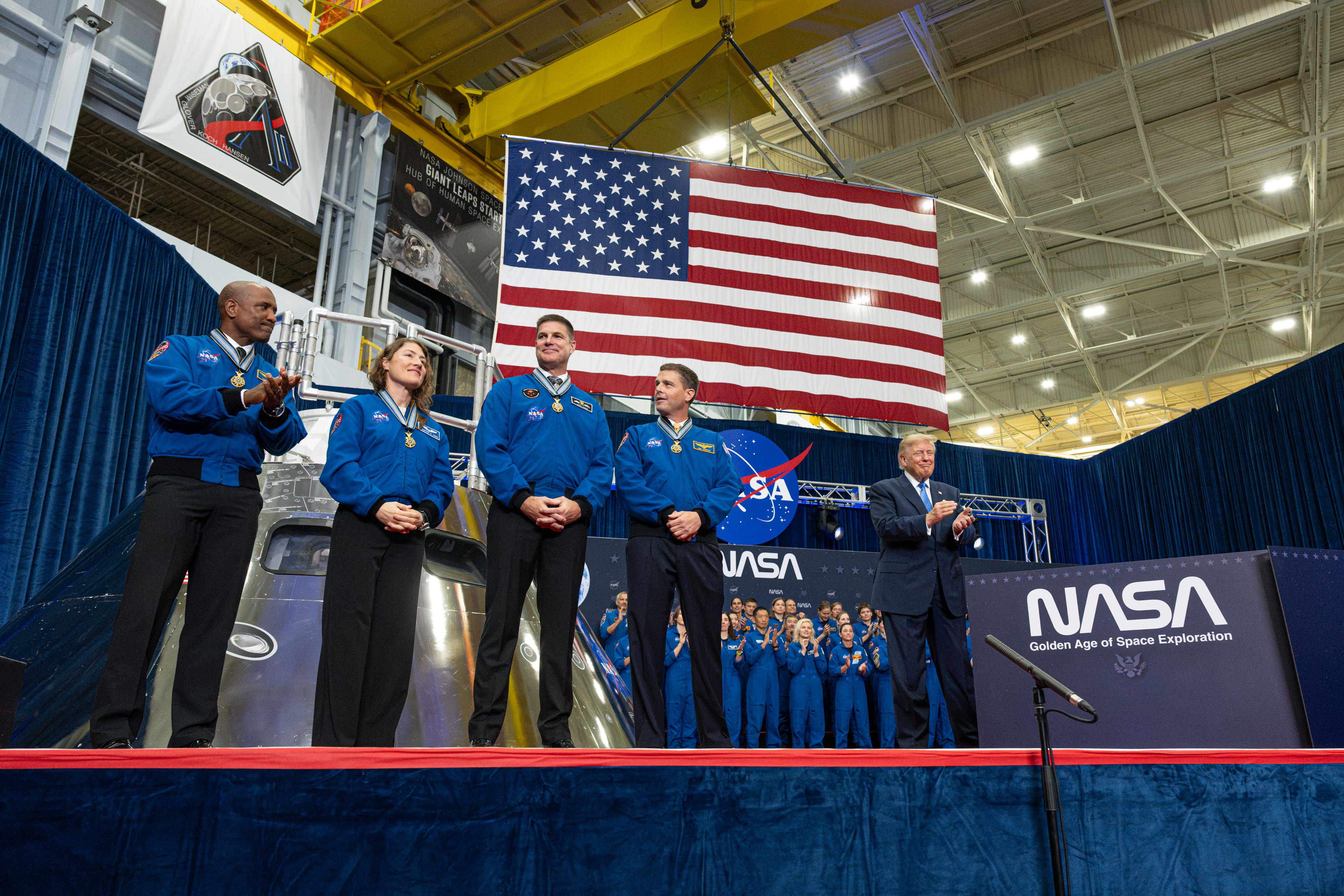
నాలుగు మందితో కూడిన ఆర్టెమిస్ II బృందానికి కాంగ్రెస్ స్పేస్ మెడల్ ఆఫ్ హానర్ అందజేయబడింది, ఇది మానవసహిత లోతైన అంతరిక్ష అన్వేషణకు నాసా తిరిగి చేరుతున్న ప్రక్రియలో ఒక ప్రధాన సాంప్రదాయ మైలురాయిని సూచిస్తుంది. 2026 ఆగస్టు 28న, హ్యూస్టన్లోని నాసా జాన్సన్ స్పేస్ సెంటర్లో అధ్యక్షుడు డొనాల్డ్ జె. ట్రంప్ నాసా వ్యోమగాములు విక్టర్ గ్లోవర్, క్రిస్టినా కోచ్, రీడ్ వైజ్మాన్తో పాటు కెనడియన్ స్పేస్ ఏజెన్సీ వ్యోమగామి జెరెమీ హాన్సెన్కు ఈ అవార్డును అందజేశారు.
ఈ గుర్తింపు ఆర్టెమిస్ II వ్యోమగాములను అమెరికా మానవ అంతరిక్షయాన చరిత్రతో నేరుగా అనుసంధానమైన చిన్న సమూహంలోకి తీసుకెళ్తుంది. నాసా ప్రకారం, అత్యంత ధైర్యసాహసాలు మరియు విశిష్టమైన విధి నిర్వహణ ద్వారా, అలాగే దేశం మరియు మానవాళి సంక్షేమానికి చేసిన కృషి ద్వారా ప్రత్యేకత చూపిన వ్యోమగాములను గౌరవించడానికి 1969లో కాంగ్రెస్ ఈ పతకాన్ని అధికారం ఇచ్చింది. ఈ ప్రదానంతో, అంతరిక్ష కార్యక్రమం ప్రారంభమైనప్పటి నుంచి ఈ అవార్డును పొందినవారి సంఖ్య ఇప్పుడు 34కి చేరింది.
ఈ సమయం గమనించదగినది. ఆర్టెమిస్ II నాసా విస్తృత ప్రయత్నంలో ఒక నిర్వచనాత్మక మిషన్గా మారింది, ఇది చంద్ర అన్వేషణకు కొత్త యుగాన్ని నెలకొల్పడానికి ఉద్దేశించబడింది. నాసా ప్రకటన ప్రధానంగా అవార్డు కార్యక్రమంపైనే దృష్టి పెట్టినప్పటికీ, దాని ప్రతీకాత్మక అర్థాన్ని విస్మరించడం కష్టం: అమెరికా తన తదుపరి తరం చంద్ర వ్యోమగాములను అపోలో యుగంలో సృష్టించబడిన వారసత్వ సంస్థలు మరియు గౌరవాలతో అనుసంధానిస్తోంది.
చంద్ర అన్వేషణకు అంతర్జాతీయ, ఆధునిక రూపాన్ని ప్రతిబింబించే బృందం
ఆర్టెమిస్ II బృందంలో ముగ్గురు నాసా వ్యోమగాములు మరియు ఒక కెనడియన్ స్పేస్ ఏజెన్సీ వ్యోమగామి ఉన్నారు, ఇది ఆర్టెమిస్ కార్యక్రమం వెనుక ఉన్న బహుళజాతీయ నిర్మాణాన్ని ప్రతిబింబిస్తుంది. నలుగురు బృంద సభ్యులందరికీ కలిసి గౌరవం అందించి, ఈ కార్యక్రమం పాల్గొన్న వ్యక్తులనే కాకుండా ప్రస్తుత అంతరిక్ష అన్వేషణను ఆకృతిచేసే సహకార నమూనాను కూడా గుర్తించింది.
ఆ నమూనా ముఖ్యమైనది, ఎందుకంటే ఆర్టెమిస్ను ఒక్కసారిగా జరిగే మిషన్గా చూడడం లేదు. ఇది పునరావృత మిషన్లు, అంతర్జాతీయ భాగస్వామ్యాలు, మరియు సంస్థాగత నిరంతరతపై ఆధారపడే సుస్థిర అన్వేషణ నిర్మాణంగా నిలుస్తోంది. బృందంలో జెరెమీ హాన్సెన్ ఉండడం, ఆర్టెమిస్ యొక్క రాజకీయ మరియు ఆపరేషనల్ గుర్తింపు పూర్తిగా జాతీయ ప్రాజెక్ట్గా మాత్రమే పరిమితం కాదని, అందుకు ఇచ్చే గౌరవాలు అమెరికా చట్టం మరియు సంప్రదాయంలో నాటుకుపోయినప్పటికీ, స్పష్టం చేస్తుంది.
అదే సమయంలో, ఈ బృంద నిర్మాణం ప్రారంభ అంతరిక్ష పోటీతో అనుసంధానమైన వ్యోమగామి దళం కంటే మరింత ఆధునికంగా కనిపించడం వల్ల దృష్టిని ఆకర్షించింది. నాసా ఆర్టెమిస్ను ప్రజలకు పరిచయం చేసే విధానం తరచుగా లోతైన అంతరిక్ష అన్వేషణలో ఎవరు కనిపిస్తారు అనే పరిధిని విస్తరించడమే ఈ కార్యక్రమ లక్ష్యమని నొక్కి చెబుతుంది. ఈ అవార్డు కార్యక్రమం కొత్త మిషన్ వివరాలను జోడించదు, కానీ ఈ మార్పుకు ప్రజా ప్రతినిధులుగా బృంద స్థానం మరింత బలపరుస్తుంది.
నాసా చారిత్రక కథనంలో ఈ పతకం యొక్క ప్రాధాన్యం
కాంగ్రెస్ స్పేస్ మెడల్ ఆఫ్ హానర్ అమెరికన్ అంతరిక్ష కార్యక్రమంలో ప్రత్యేక ప్రాముఖ్యతను కలిగి ఉంది. అపోలో 1, చాలెంజర్, కొలంబియా బృందాలకు ఈ అవార్డు మరణానంతరం లభించిందని నాసా పేర్కొంది. ఆ చరిత్ర ఈ పతకానికి ద్వంద్వ స్వభావాన్ని ఇస్తుంది. ఇది విజయాన్ని మరియు సేవను గౌరవిస్తుంది, కానీ ఇది ప్రమాదం, త్యాగం, మరియు మానవ అంతరిక్షయానం ఎప్పుడూ సాధారణం కాదనే భావనతో రూపుదిద్దుకున్న సంప్రదాయంలో కూడా నిలుస్తుంది.
ఆర్టెమిస్ II కోసం ఆ సందర్భం ప్రత్యేకంగా సంబంధించింది. ఈ మిషన్ ఆశయం మరియు జాగ్రత్తల సంగమస్థానంలో ఉంది, జాతీయ అంచనాలు మరియు గత కార్యక్రమాల స్మృతిని రెండింటినీ మోస్తోంది. ప్రస్తుత బృందానికి ఈ పతకం ఇవ్వడం, విజయాలు, విషాదాలు, మరియు నాసా సంస్థాగత నిరంతరతను కలిగి ఉన్న వారసత్వంతో వారిని అనుసంధానిస్తుంది.
అది ఈ కార్యక్రమం ప్రధానంగా గతం వైపు చూసిందని అర్థం కాదు. వాస్తవానికి, ఈ ఈవెంట్ను గతం మరియు భవిష్యత్తును కలపడానికి రూపొందించినట్టు కనిపిస్తుంది. అపోలో కార్యక్రమం గరిష్ఠ స్థాయికి చేరుతున్న అదే సంవత్సరంలో కాంగ్రెస్ ఈ పతకాన్ని సృష్టించింది. అర శతాబ్దం తర్వాత, అమెరికా మళ్లీ చంద్ర అన్వేషణను జాతీయ లక్ష్యం, సాంకేతిక ప్రతిష్ఠ, మరియు అంతర్జాతీయ సంకేతాల కోసం వేదికగా ఉపయోగిస్తోంది. ఆ నిర్మాణంలో ఆర్టెమిస్ II ను గౌరవించడం, నాసా ఈ మిషన్ను దేశపు తదుపరి మానవసహిత అంతరిక్షయాన అధ్యాయానికి కేంద్రంగా చూస్తోందని స్పష్టమైన సందేశాన్ని ఇస్తుంది.
కార్యక్రమం కీలక దశలోకి వెళ్తున్న వేళ ఆర్టెమిస్కు ఒక ప్రతీకాత్మక క్షణం
నాసా ప్రకటన సంక్షిప్తంగా, అధికారిక ప్రదానంపైనే దృష్టి సారించింది; అది వివరణాత్మక ఆపరేషనల్ ప్రకటనకంటే చిత్రకేంద్రిత అప్డేట్గా నిలిచింది. అయినప్పటికీ, ఇలాంటి కార్యక్రమాలు పెద్ద అంతరిక్ష ప్రోగ్రామ్లు రాజకీయంగా మరియు ప్రజల దృష్టిలో ఎలా కనిపిస్తాయో నిలబెట్టడంలో భాగంగా ఉంటాయి. దీర్ఘ అభివృద్ధి కాలరేఖలతో సాగే మిషన్ల చుట్టూ విధాననిర్ణేతలు, సంస్థలు, మరియు అంతర్జాతీయ భాగస్వాములకు ఇవి ఒక భాగస్వామ్య ప్రజా క్షణాన్ని ఇస్తాయి.
ఆర్టెమిస్కు ఇది ముఖ్యమైనది, ఎందుకంటే ఈ కార్యక్రమం ఒక్క ఫ్లైట్కంటే ఎంతో ఎక్కువ అంచనాలను కలిగి ఉంది. దశాబ్దాలుగా మారిన వ్యూహాల తర్వాత చంద్ర అన్వేషణకు స్థిరమైన గమనం తీసుకురావాలన్న నాసా ప్రయత్నాన్ని ఇది సూచిస్తుంది. బృందానికి ప్రజా అవార్డు కార్యక్రమం మిషన్ స్థితిని బలోపేతం చేస్తుంది, ముఖ్యంగా అంతరిక్ష విధానం, బడ్జెట్లు, మరియు కాలపట్టికలు నిరంతరం పరిశీలనకు లోనవుతున్న సమయంలో.
వైట్ హౌస్ వేదిక ఎంపిక కూడా పరోక్షంగా ప్రాధాన్యం కలిగి ఉంది. జాన్సన్ స్పేస్ సెంటర్లో అవార్డు ప్రదానం చేయడం ఆ కార్యక్రమాన్ని అమెరికా మానవ అంతరిక్షయాన ఆపరేషన్ల సంస్థాగత గృహంలో నిలుపుతుంది. ఇది ఒక ప్రతీకాత్మక జాతీయ గౌరవాన్ని వ్యోమగామి శిక్షణ మరియు మిషన్ సిద్ధత యొక్క దైనందిన కేంద్రంలో స్థాపిస్తుంది. రాజకీయాలు మరియు ఆపరేషనల్ గుర్తింపు కలయిక నాసా ప్రజాజీవితంలో చాలా కాలంగా భాగంగా ఉంది.
- ఈ అవార్డు 2026 ఆగస్టు 28న హ్యూస్టన్లోని నాసా జాన్సన్ స్పేస్ సెంటర్లో అందజేయబడింది.
- గ్రహీతలు విక్టర్ గ్లోవర్, క్రిస్టినా కోచ్, జెరెమీ హాన్సెన్, మరియు రీడ్ వైజ్మాన్.
- ఈ పతకాన్ని 1969లో కాంగ్రెస్ అధికారం ఇచ్చిందని నాసా తెలిపింది.
- అంతరిక్ష కార్యక్రమం ప్రారంభమైనప్పటి నుంచి ఇప్పుడు 34 మంది గ్రహీతలు ఉన్నారు.
ప్రయోగాత్మకంగా చూస్తే, ఈ ఈవెంట్ ఆర్టెమిస్ II మిషన్ ప్రొఫైల్ను మార్చదు. కానీ కథన పరంగా, ఇది ఒక ముఖ్యమైన పని చేస్తుంది: మిషన్ యొక్క తదుపరి ప్రధాన మైలురాళ్లు ఎదురుకాకముందే చంద్ర పునరాగమనానికి సంబంధించిన ప్రజా కథలో బృంద స్థానం పటిష్ఠం చేస్తుంది. అంతరిక్ష కార్యక్రమాలు హార్డ్వేర్, షెడ్యూల్లు, మరియు బడ్జెట్లపై ఆధారపడతాయి, కానీ అవి కార్యక్రమాలు, నిరంతరత, మరియు ప్రజా అర్థంపైన కూడా ఆధారపడతాయి.
అందుకే ఈ అవార్డు ఫోటో అవకాశానికంటే ఎక్కువ ప్రాధాన్యం కలిగి ఉంది. ఇది ఆర్టెమిస్ II వ్యోమగాములను జాతీయ అంతరిక్ష సేవా సంప్రదాయంలో నిలిపి, మిషన్ను కేవలం సాంకేతిక ప్రయత్నంగా కాక మరింత విస్తృతంగా చూపిస్తుంది. నాసా కేవలం ఒక బృందాన్ని విమానయానానికి సిద్ధం చేయడం కాదు. అది తక్కువ భూ కక్ష్యకు మించి పునరుజ్జీవిత మానవ ప్రయత్నానికి పౌర మరియు చారిత్రక రూపురేఖను కూడా నిర్మిస్తోంది.
ఈ వ్యాసం నాసా నివేదిక ఆధారంగా ఉంది. మూల వ్యాసాన్ని చదవండి.
Originally published on nasa.gov