నాసా యొక్క ఆర్టెమిస్ II వ్యోమగాములకు దేశంలోని అత్యున్నత అంతరిక్ష గౌరవాల్లో ఒకటి లభించింది
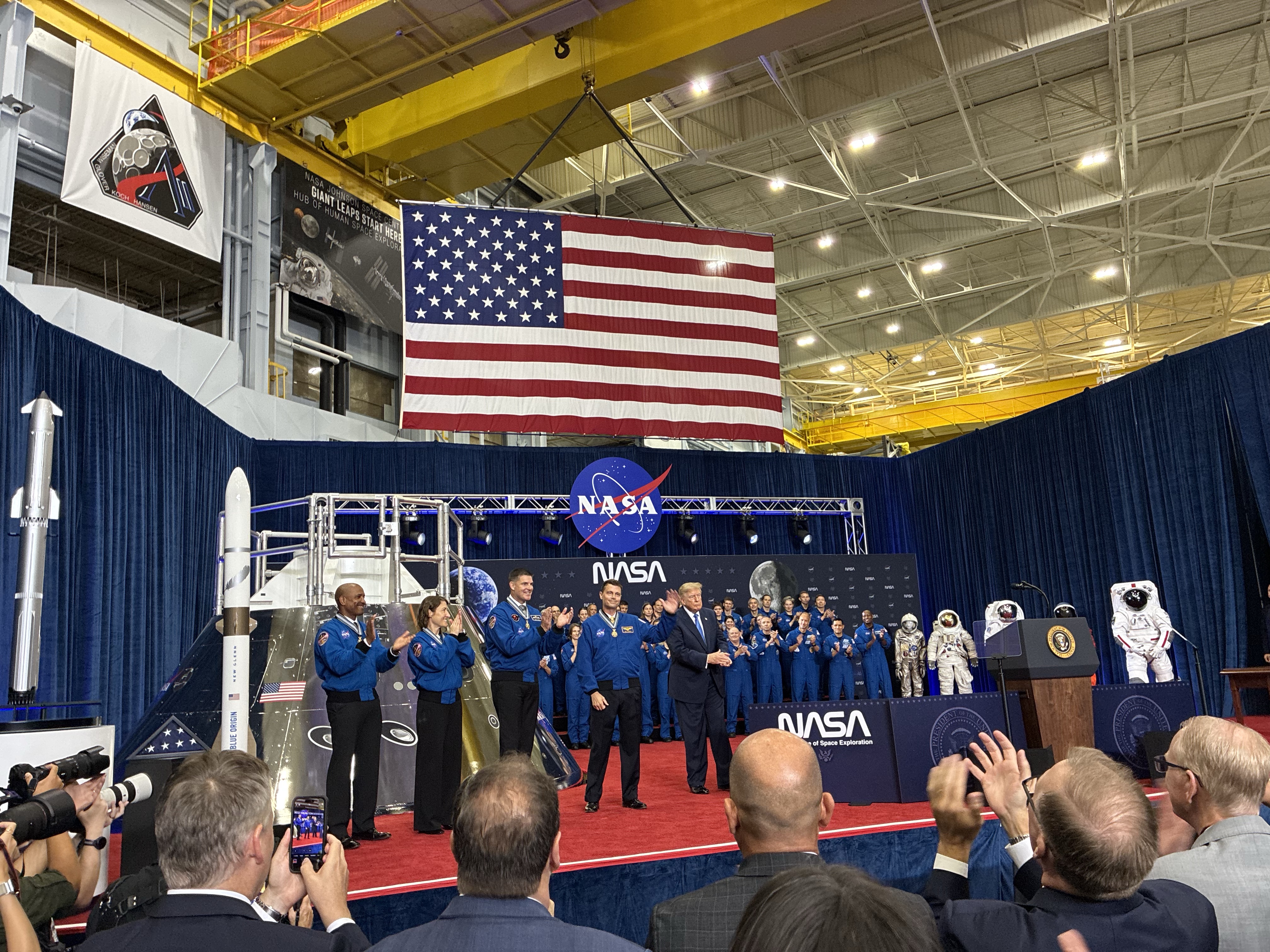
నాలుగు మంది సభ్యుల ఆర్టెమిస్ II బృందానికి కాంగ్రెస్ అంతరిక్ష గౌరవ పతకం లభించింది, ఇది నాసా చంద్రునికి తిరిగి వెళ్లే యుగంలో ఒక ప్రధాన ఆచార ఘట్టాన్ని సూచిస్తుంది. నాసా ప్రకారం, ప్రెసిడెంట్ డొనాల్డ్ జె. ట్రంప్ 2026 ఆగస్టు 28న, హ్యూస్టన్లోని ఏజెన్సీ జాన్సన్ స్పేస్ సెంటర్లో జరిగిన కార్యక్రమంలో ఈ పురస్కారాన్ని ప్రదానం చేశారు. ఈ అవార్డు పొందినవారు నాసా వ్యోమగాములు రీడ్ వైజ్మన్, విక్టర్ గ్లోవర్, క్రిస్టినా కోచ్, అలాగే కెనడియన్ స్పేస్ ఏజెన్సీ వ్యోమగామి జెరెమీ హాన్సెన్.
ఆర్టెమిస్ II సమయంలో బృందం చేసిన సేవలను ఈ పురస్కారం గుర్తించింది. నాసా ఈ మిషన్ను అనేక స్థాయిల్లో చారిత్రకమని వివరిస్తుంది. ఈ ప్రయాణం 2026 ఏప్రిల్ 1న ప్రారంభమై, ఏప్రిల్ 10న పసిఫిక్ మహాసముద్రంలో సురక్షితంగా జలప్రవేశం చేసింది. ఆ మిషన్ సమయంలో, వ్యోమగాములు నాసా యొక్క స్పేస్ లాంచ్ సిస్టమ్ రాకెట్పై ప్రయాణించిన తొలి వ్యక్తులుగా, అలాగే బృందం Integrity అని పేరు పెట్టిన ఓరియన్ అంతరిక్ష నౌకలో ఎగిరిన తొలి వ్యక్తులుగా నిలిచారు. ఈ మిషన్కు ప్రతీకాత్మక మరియు వ్యూహాత్మక ప్రాధాన్యత కూడా ఉంది: తక్కువ భూ కక్ష్యకు దాటి మనుషులను తీసుకెళ్లి, వారిని సురక్షితంగా తిరిగి తీసుకురాగల నాసా యొక్క ఆర్టెమిస్ నిర్మాణం ఇప్పటివరకు చూపిన అత్యంత స్పష్టమైన ప్రదర్శన ఇది.
రికార్డు సృష్టించిన చంద్ర మిషన్
ఆర్టెమిస్ II మానవ అంతరిక్ష ప్రయాణాన్ని ఎంత దూరం తీసుకెళ్లిందో నాసా విడుదల ప్రత్యేకంగా రేఖांकితం చేస్తోంది. బృందం తమ అత్యంత దూరమైన దశలో భూమి నుంచి 252,756 మైళ్ల దూరం చేరింది, ఇది ఇంతకు ముందు ఏ మనిషీ చేరని దూరం. ఇది 1970లో అపోలో 13 వ్యోమగాములు నెలకొల్పిన గత రికార్డును అధిగమించింది. మొత్తం మీద, చంద్రుని సమీప ఫ్లైబై సహా, బృందం 695,081 మైళ్లు ప్రయాణించిందని నాసా చెబుతోంది.
ఈ సంఖ్యలు ముఖ్యమైనవి, ఎందుకంటే ఆర్టెమిస్ II కేవలం లోతైన అంతరిక్షానికి ప్రతీకాత్మక తిరిగి రావడం మాత్రమే కాదు. ఇది హార్డ్వేర్, ఆపరేషన్లు, మరియు సిస్లూనార్ అంతరిక్షంలో మానవ పనితీరును నిర్ధారించే పరీక్షా మిషన్. మూల పదార్థం ఈ మిషన్ను తనంతట తాను ముగింపుగా చూపడం లేదు. బదులుగా, పునరావృతం చేయగల సామర్థ్యాలతో చంద్ర మిషన్లను అరుదైన జాతీయ ఘట్టాల నుంచి కార్యాచరణాత్మక కార్యక్రమంగా మార్చాలనే విస్తృత అమెరికా నేతృత్వంలోని అంతరిక్ష వ్యూహంలో ఇది కీలక దశగా చూపుతోంది.
అదే కారణంగా ఈ అవార్డు కార్యక్రమం భావోద్వేగ విలువకన్నా ఎక్కువ ప్రాధాన్యతను కలిగి ఉంది. ఈ స్థాయి గౌరవాలను ఏ మిషన్లు మలుపు ఘట్టాలుగా పరిగణించాలో స్థిరపరచడానికి ఉపయోగిస్తారు. కాంగ్రెస్ అంతరిక్ష గౌరవ పతకాన్ని ఆర్టెమిస్ IIకి జతచేయడం ద్వారా వైట్ హౌస్ మరియు నాసా ఈ ఫ్లైట్ను అమెరికా అంతరిక్ష చరిత్రలో అత్యంత కీలకమైన సిబ్బంది మిషన్ల వంశావళిలో స్థానం కల్పిస్తున్నాయి.
ఈ పతకం ఎందుకు ముఖ్యం
కాంగ్రెస్ అంతరిక్ష గౌరవ పతకాన్ని 1969లో కాంగ్రెస్ అనుమతించింది. నాసా ప్రకారం, తమ విధులను నిర్వహించే సమయంలో అత్యంత ధైర్యవంతమైన, విశిష్టమైన ప్రయత్నాలు చేసి, దేశం మరియు మానవాళి సంక్షేమానికి చేసిన సేవల ద్వారా ప్రత్యేకతను చాటుకున్న వ్యోమగాములను ఇది గుర్తిస్తుంది. ఆర్టెమిస్ II ప్రదానంతో, అంతరిక్ష కార్యక్రమం ప్రారంభమైనప్పటి నుంచి మొత్తం స్వీకర్తల సంఖ్య 34కి చేరింది.
ఈ పతకానికి ఉన్న బలం దాని స్వీకర్తల జాబితా నుంచే వస్తుంది. అపోలో 1, చాలెంజర్, మరియు కొలంబియా సిబ్బందిని కూడా ఇందులో చేర్చారని, వారందరికీ మరణానంతరం గౌరవం ఇచ్చారని నాసా చెబుతోంది. ఈ చరిత్ర వల్ల ఈ పతకం కేవలం ఖ్యాతి లేదా ప్రజా దృష్టిలో కనిపించడానికే సంబంధించినది కాదు. ఇది జీవించి ఉన్న స్వీకర్తలను అమెరికా సిబ్బంది అంతరిక్ష కార్యక్రమంలోని ప్రమాదాలు, త్యాగాలు, మరియు సంస్థాగత జ్ఞాపకాలతో అనుసంధానిస్తుంది. ఆ సందర్భంలో, ఆర్టెమిస్ IIకి ఈ పతకాన్ని ఇవ్వడం నాసా మరియు పరిపాలన ఈ మిషన్ను కార్యాచరణపరంగా ముఖ్యమని, చారిత్రకంగా ప్రతిధ్వనించేదిగా చూస్తున్నారని సూచిస్తుంది.
ఈ పతకాన్ని 2023 తర్వాత మొదటిసారిగా ప్రదానం చేశామని నాసా కూడా పేర్కొంది. ఆ విరామం విషయాన్ని మరింత స్పష్టంగా చేస్తుంది: ఈ పతకాన్ని సాధారణ కార్యక్రమంగా చూడకూడదని ఏజెన్సీ మరియు పరిపాలన నిర్ణయించాయి. మరో మాటలో చెప్పాలంటే, ఆర్టెమిస్ II మరింత ఉన్నత ప్రమాణాన్ని చేరినదిగా పరిగణించారు.
నాసాకు ఆర్టెమిస్ II ఏం సూచిస్తుంది
ఈ కార్యక్రమం అమెరికా మానవ అంతరిక్ష ప్రయాణ కేంద్రంగా నాసా ఆర్టెమిస్ను ఎలా స్థాపిస్తోంది అన్నదాన్ని కూడా ప్రతిబింబించింది. ఏజెన్సీ వివరణలో, ఆర్టెమిస్ II సాంకేతిక ప్రథమాలు, జాతీయ ప్రతిష్ఠ, మరియు అన్వేషణాత్మక ప్రతీకాత్మకతను కలిపింది. సిబ్బంది మనుషులు onboardగా ఉన్నప్పుడు SLS మరియు Orionను కలిసి ప్రయాణించిన తొలి బృందం. వారు చంద్ర సమీప ఫ్లైబైను నిర్వహించారు. కొత్త మానవ-దూర రికార్డును నెలకొల్పి సురక్షితంగా తిరిగి వచ్చారు. మరియు భూ కక్ష్యకు దాటి అమెరికా నాయకత్వాన్ని తిరిగి స్థాపించాలనే ఉద్దేశంతో రూపొందించిన కార్యక్రమం పతాకం కింద వారు ఇది చేశారు.
విడుదలలో నాసా అడ్మినిస్ట్రేటర్ జారెడ్ ఐజాక్మన్ చేసిన వ్యాఖ్యలు ఆ భావనను బలపరుస్తాయి. ఆయన ఈ పురస్కారాన్ని వ్యోమగాముల పనితీరుతో మాత్రమే కాక, అమెరికా నాయకత్వం కొత్త అంతరిక్ష పోటీ వైపు మళ్లించబడిందన్న ఆలోచనతో కూడా అనుసంధానించారు. ఆ భౌగోళిక-రాజకీయ భాషను ఇష్టపడినా ఇష్టపడకపోయినా, సంస్థాగత సందేశం సూటిగా ఉంది: ఆర్టెమిస్ను కేవలం శాస్త్రీయ యాత్రల శ్రేణిగా కాక, జాతీయ సామర్థ్య కార్యక్రమంగా విక్రయిస్తున్నారు.
బృందం బహుళజాతి స్వభావం ఈ వాదనను బలహీనపరచకుండా మరింత బలపరుస్తుంది. హాన్సెన్ను కెనడియన్ వ్యోమగామిగా చేర్చడం, ఆర్టెమిస్ను దేశీయ సాంకేతికతతో పాటు మైత్రి నిర్మాణాల ద్వారా అమెరికా నాయకత్వాన్ని ప్రదర్శించేలా రూపొందించారని చూపిస్తుంది. ఈ మిషన్ అమెరికా నేతృత్వంలో జరిగింది, కానీ అమెరికా మాత్రమే కాదు. చంద్ర అన్వేషణ ఒకే జెండా ఘట్టాల నుంచి స్థిరమైన అంతర్జాతీయ ప్రచారాల వైపు కదులుతున్న కొద్దీ ఈ నమూనా మరింత ముఖ్యమయ్యే అవకాశం ఉంది.
బృందాన్ని గౌరవించడం, కార్యక్రమాన్ని ధృవీకరించడం
ఈ కార్యక్రమానికి గుర్తింపును దాటి ఒక ప్రాయోగిక పార్శ్వం కూడా ఉంది. అంతరిక్ష కార్యక్రమాలు రాజకీయ స్థిరత్వంపై ఆధారపడతాయి, ఆ స్థిరత్వం తరచుగా కథనంపై ఆధారపడుతుంది. ఆర్టెమిస్ IIకి ఇప్పుడు సులభంగా చెప్పగల అధికారిక కథనం ఉంది: మొదటి సిబ్బందితో కూడిన SLS మిషన్, మొదటి సిబ్బందితో కూడిన Orion లోతైన అంతరిక్ష ప్రయాణం, భూమి నుంచి రికార్డు స్థాయి దూరం, సురక్షిత తిరుగు ప్రయాణం, మరియు అధ్యక్షుడి నుంచి జాతీయ గౌరవం. ఆ కథనం కార్యక్రమం తదుపరి దశలకు మద్దతు బలోపేతం చేయడంలో సహాయపడుతుంది.
ఇది NASAకు అనేక పెద్ద అంతరిక్ష ప్రాజెక్టులు సాధారణంగా పొందే దానికంటే శుభ్రమైన ప్రజా కథను కూడా ఇస్తుంది. పెద్ద కార్యక్రమాలు తరచుగా బడ్జెట్ పోరాటాలు, షెడ్యూల్ ఆలస్యం, లేదా కొనుగోలు వివాదాల ద్వారా చర్చకు వస్తాయి. దానికి భిన్నంగా, ఈ అవార్డు వ్యోమగాములపై మరియు మిషన్ సాధించిన స్పష్టమైన విజయంపై దృష్టిని కేంద్రీకరిస్తుంది. ఏజెన్సీకి సంవత్సరాల పాటు కాంగ్రెస్ మరియు ప్రజల మద్దతును నిలుపుకోవాల్సిన అవసరం ఉన్నందున, ఆ మార్పు ముఖ్యమైనది.
అందువల్ల 2026 ఆగస్టు 28న హ్యూస్టన్లో జరిగినది కేవలం పతక ప్రదానం మాత్రమే కాదు. ఇది ప్రస్తుత యుగానికి నిర్వచనాత్మక మిషన్గా ఆర్టెమిస్ IIకి అధికారిక ఆమోదం. నాసా ఇప్పటికే ఈ మిషన్ను నిర్వహించింది. పరిపాలన ఇప్పుడు దాన్ని అధికారికంగా మహత్తరంగా నిలిపింది. వ్యోమగాముల కోసం ఈ పతకం ఒక అధ్యాయాన్ని ముగిస్తుంది. ఆర్టెమిస్ కోసం, ఇది బహుశా మరింత ప్రకాశవంతమైన రాజకీయ దృష్టికోణంలో తదుపరి అధ్యాయాన్ని ప్రారంభిస్తుంది.
ఈ వ్యాసం నాసా నివేదిక ఆధారంగా రూపొందించబడింది. మూల వ్యాసాన్ని చదవండి.
Originally published on nasa.gov