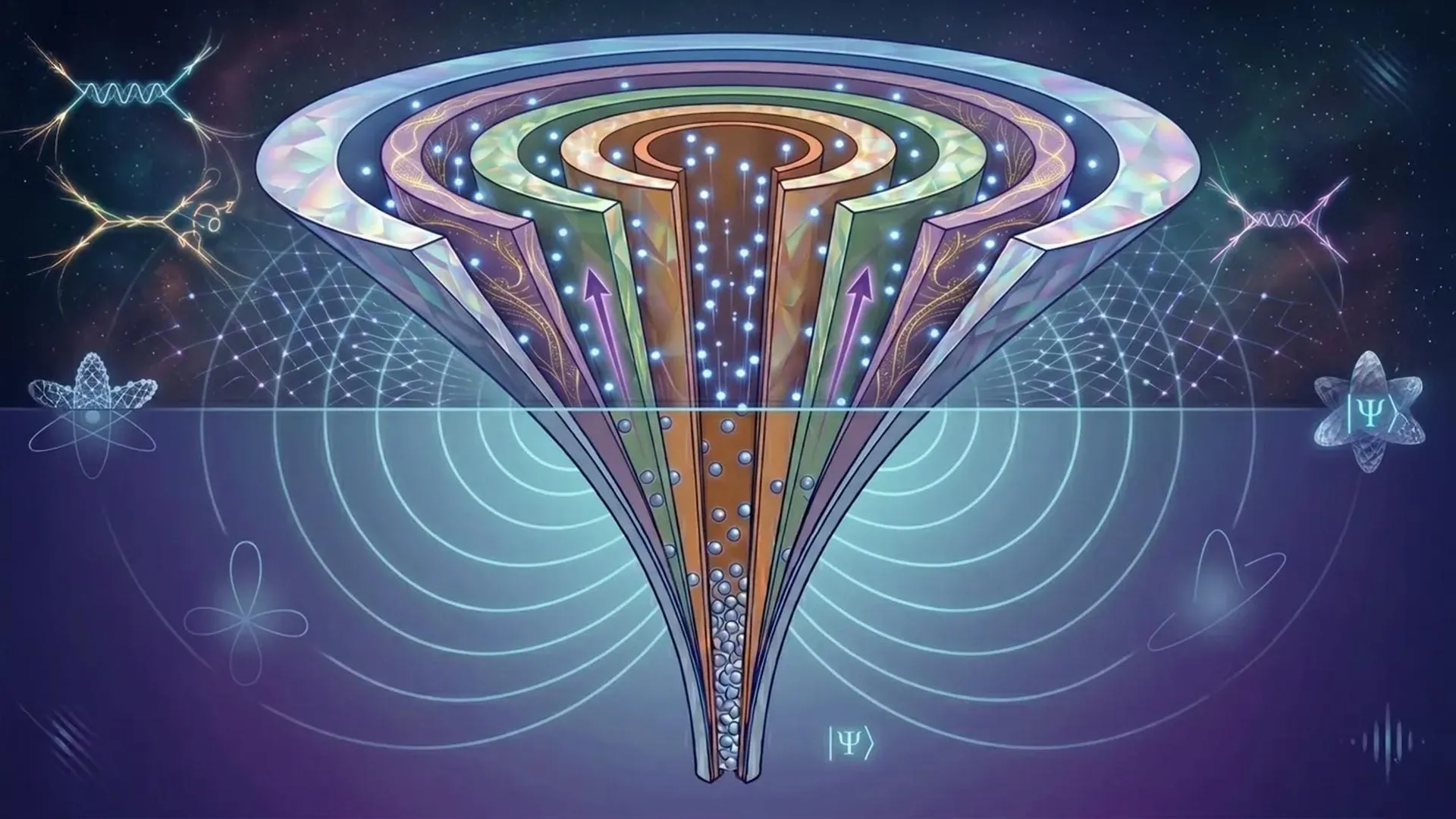
అతి-శీతల cesium atomsతో పనిచేస్తున్న physicists “fractional Fermi sea” అని పిలిచే అరుదైన quantum stateను నివేదించారు. conventional Fermi seaతో అనుబంధమైన పరిస్థితుల నుంచి systemను చాలా దూరం నడిపించిన తర్వాత కూడా ఈ state ఊహించని క్రమాన్ని నిలుపుకున్నట్లు కనిపించింది.
ఈ పని Physical Review Lettersలో ప్రచురితమైనదిగా పేర్కొన్నారు. University of Innsbruckకు చెందిన Hanns-Christoph Nägerl ప్రయోగ బృందానికి నాయకత్వం వహించగా, CNRS మరియు Université Paris-Dauphineకు చెందిన Alvise Bastianello సైద్ధాంతిక పని చేశారు.
వాయువును వేడి చేయడం మాత్రమే కాదు
చాలా తక్కువ ఉష్ణోగ్రతల వద్ద fermions, Pauli exclusion principle నియమాల ప్రకారం quantum statesను నింపుతాయి. ఒకే quantum stateలో చేరలేకపోవడం వల్ల Fermi sea అనే occupation pattern ఏర్పడుతుంది.
ప్రయోగంలో atomic gasను కేవలం వేడి చేయలేదు. Ultracold cesium atoms మధ్య interactionను strongly repulsive మరియు strongly attractive స్థితుల మధ్య మళ్లీ మళ్లీ మార్చారు. దీంతో atoms highly excited stateలోకి వెళ్లాయి.
దాగిన క్రమం ఉన్న అసాధారణ configurationగా atoms పునర్వ్యవస్థీకరించాయని బృందం తెలిపింది. దీనినే fractional Fermi sea అంటున్నారు.

ఈ ఫలితం ఎందుకు ముఖ్యమైనది
Quantum many-body systemsను వివరించడం కష్టం, ఎందుకంటే ప్రతి particle quantum నియమాలను అనుసరించడంతో పాటు ఇతర particlesపై ప్రభావం చూపుతుంది. Strongly driven systemsలో standard equilibrium descriptionsతో సులభంగా వివరించలేని correlations ఏర్పడవచ్చు.
అపరిచిత పరిస్థితుల్లో కూడా organized state నిలవగలదని fractional Fermi sea సూచిస్తుంది. ఇది కొత్త technology లేదా fermions standard theoryకు ప్రత్యామ్నాయం అని నిరూపించదు; అయితే order, interactions, excitation సహజీవనాన్ని పరీక్షించడానికి కొత్త experimental setting ఇస్తుంది.
Ultracold-atom experiments ద్వారా physicists నియంత్రిత quantum analoguesను నిర్మించి theoryతో పోల్చగలరు.
Fermi seaను వేరే విధంగా చూడటం
“Fractional” అనే పదం అందుబాటులోని energy levelsను నింపే fermionsకు సంబంధించిన సాధారణ చిత్రానికి ఈ state భిన్నమని సూచిస్తుంది. మూలం సంభావ్య exotic quasiparticlesను “super-Fermions”గా పేర్కొంటుంది.
Quasiparticles తప్పనిసరిగా కొత్త elementary particles కావు. Many-body systemలో collective behaviorను వివరించడానికి అవి ఉపయోగపడతాయి. ఇక్కడ అవి driven atoms collective stateను వివరించే భాష మాత్రమే.
ఈ అధ్యయనం తక్షణ విలువ శాస్త్రీయమైనది. State స్థిరత్వం, దాని orderను కొలిచే మార్గాలు, ఇతర atoms లేదా driving protocolsతో ఇలాంటి phenomena సృష్టించగలమా అనే విషయాలకు మరిన్ని పరిశోధనలు అవసరం.

తదుపరి దశ
ఈ పరిశోధన equilibriumకు దూరంగా ఉన్న quantum matterను అర్థం చేసుకునే ప్రయత్నాన్ని సూచిస్తుంది. Attraction, repulsion regimes మధ్య నడిపించినా systems hidden structureను నిలుపుకుంటే, పరిశోధించడానికి మరిన్ని states లభించవచ్చు.
ప్రధాన ఫలితం: ultracold cesium atomsను attraction, repulsion మధ్య మళ్లీ మళ్లీ మార్చడం వాటి organizationను చెరపలేదు; బదులుగా highly excited stateలో unusual ordered quantum structure ఏర్పడింది.
ఈ కథనం Science Daily నివేదిక ఆధారంగా రూపొందించబడింది. మూల కథనం చదవండి.
Originally published on sciencedaily.com