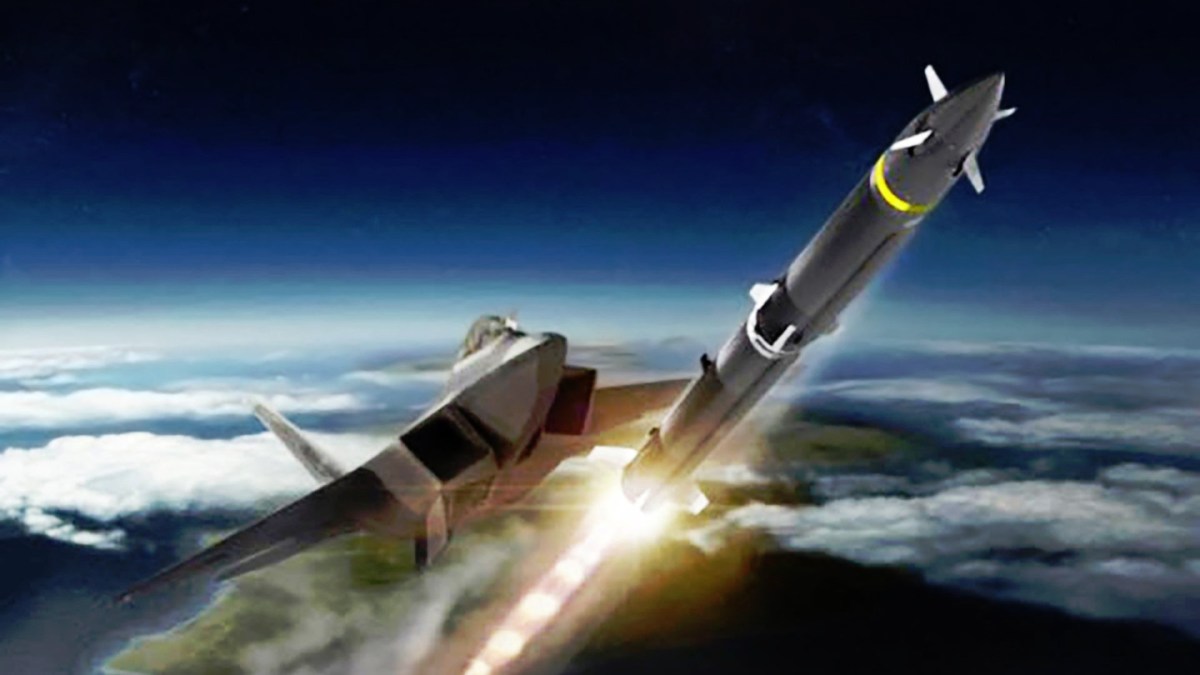
వైమానిక దళం వాయు యుద్ధానికి పూర్తిగా భిన్నమైన పరిమితిని రూపరేఖలు వేస్తోంది
The U.S. Air Force wants a threshold minimum range of 1,000 nautical miles కలిగిన air-to-air missile కావాలని సంకేతమిచ్చింది, The War Zone నివేదించిన కొత్త industry-day notice ప్రకారం. ఈ requirement ఒక formal programగా కొనసాగితే, అది ప్రస్తుతం ఉన్న AIM-120 AMRAAM versionsకు సంబంధించిన reach కంటే చాలా పెద్ద విస్తరణ అవుతుంది, అలాగే బాగా రక్షించబడిన theatersలో సేవ ఎలా పోరాడాలని చూస్తోంది అనే దానిలో ఒక పెద్ద మార్పును సూచిస్తుంది.
ఈ ప్రయత్నం Air Force Long Range Weapon, లేదా AFLRW, అని వైమానిక దళం పిలుస్తున్నదానికి సంబంధించినది. ఫ్లోరిడాలోని Eglin Air Force Base వద్ద Guided Weapons Evaluation Facility-లో ఆగస్టు 25 మరియు 26 తేదీల్లో defense contractorsతో classified two-day meeting నిర్వహించడానికి సేవ సిద్ధమవుతోంది. ఇందులో పాల్గొనడానికి తగిన security clearances అవసరం, అంటే requirement set మరియు intended operating conceptsలో అత్యంత కీలకమైన వివరాలు మూసివేసిన తలుపుల వెనుకనే ఉంటాయని సంకేతం.
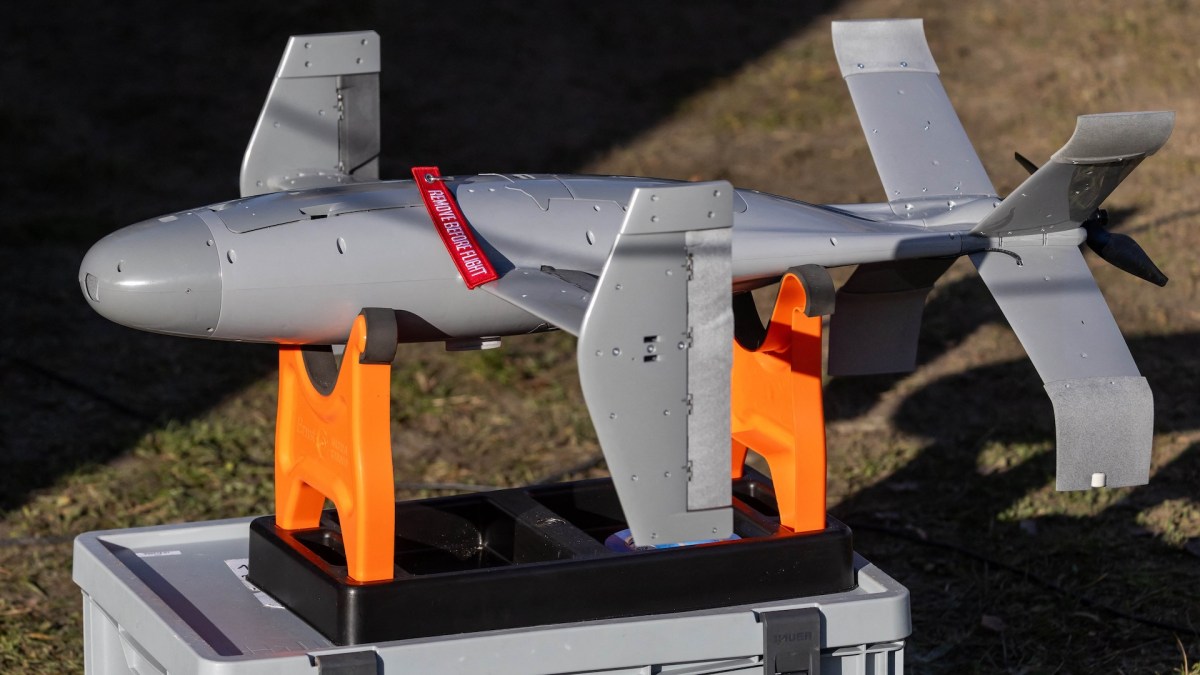
అయినా unclassified notice నుంచే దిశ స్పష్టంగా ఉంది. వైమానిక దళం ఉన్న missile కుటుంబాలకు కేవలం incremental improvement మాత్రమే అడగడం లేదు. అది ప్రస్తుత air-to-air engagement modelను మించి, air-to-air మరియు air-to-surface missions రెండింటినీ మద్దతు ఇవ్వగల standoff weaponకు పునాది వేస్తోంది.
లోతైన వెనుక భాగంలో ఉన్న అధిక విలువ లక్ష్యాలను లక్ష్యంగా పెట్టిన ఆయుధం
ఇంత rangeకు కారణం సూటిగా ఉంది. 1,000 nautical miles ప్రయాణించగల air-to-air missile సాధారణంగా front lineకు చాలా వెనుకగా పనిచేసే high-value airborne assetsపై దాడులకు ప్రత్యేకంగా ప్రాధాన్యం కలిగి ఉంటుంది. ఇందులో airborne early warning and control aircraft, tankers, మరియు long-range sensing, command and control, sustained fighter operationsను సాధ్యమయ్యే ఇతర support platforms ఉన్నాయి.
ఈ విమానాలు ఏ ఆధునిక air campaignలోనైనా అత్యంత విలువైన భాగాల్లో ఒకటి. అవి combat aircraftల reachను పెంచుతాయి, battlespace awarenessను సమన్వయం చేస్తాయి, మరియు forcesను దీర్ఘకాలం stationలో ఉంచడం సులభతరం చేస్తాయి. ప్రత్యర్థి support aircraftలను మరింత వెనక్కి నెట్టడం, లేదా ఒకప్పుడు సాపేక్షంగా సురక్షితమని భావించిన rangesలో వాటిని బెదిరించడం, close-in air superiorityను ముందుగా సాధించాల్సిన అవసరం లేకుండానే మొత్తం theater యొక్క air pictureను మార్చగలదు.
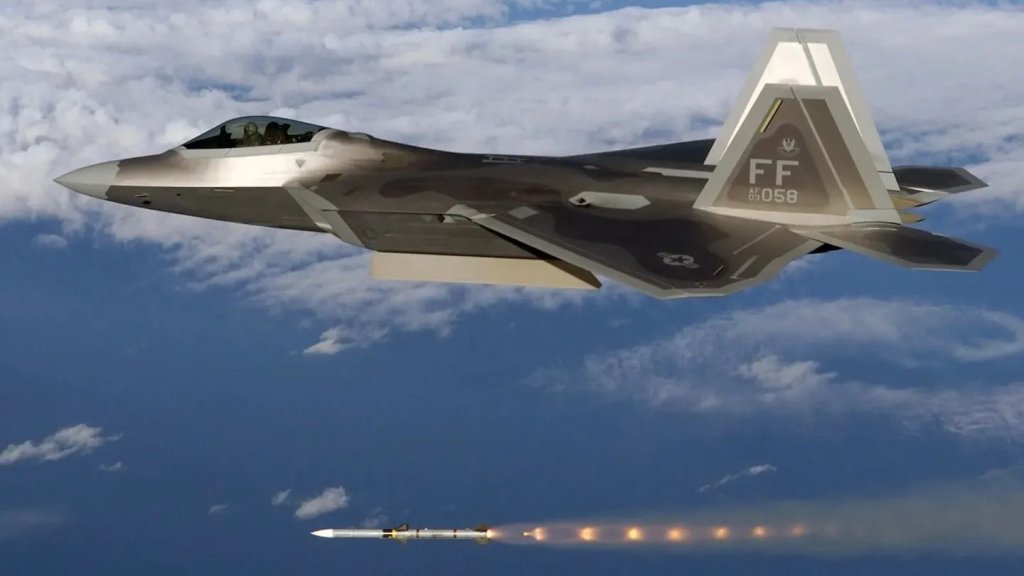
ఈ notice ప్రకారం AFLRW యొక్క air-to-air మరియు air-to-surface versions రెండింటికీ threshold minimum range of 1,000 nautical miles అవసరం, మరియు డాక్యుమెంట్ వివరిస్తున్న Defense Planning Scenario 2.1 మరియు 7.1 environmentsలో తమ respective targetsను responsive mannerలో strike చేయగలగాలి. public notice ఈ scenariosను వివరించలేదు, కానీ అవి చేర్చబడటం వలన weaponను ఒక generic range benchmark కంటే డిమాండ్ ఎక్కువైన operational casesకు వ్యతిరేకంగా frame చేస్తున్నట్టు తెలుస్తోంది.
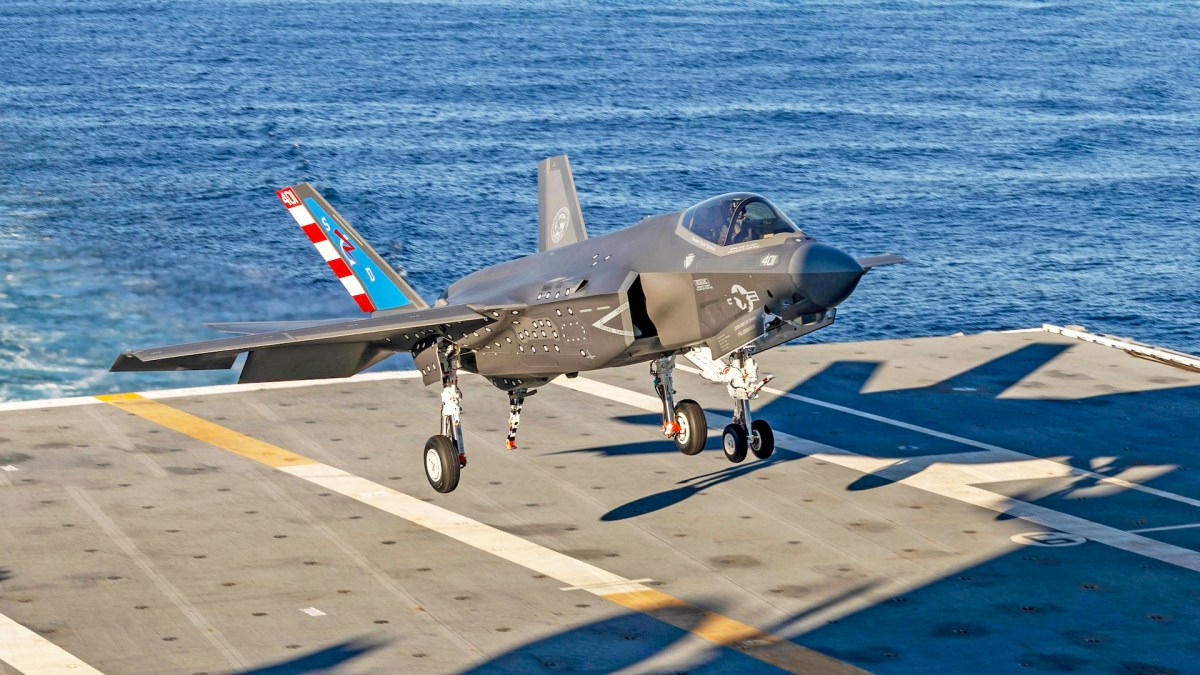
ఒకే missile కంటే ముందుకు, program ఒక విస్తృత kill-web భావనను సూచిస్తోంది
The War Zone, planned missileను broader “kill web” approachలో భాగంగా పేర్కొంటుంది, మరియు ఆ framing requirement యొక్క implicationsకు సరిపోతుంది. అత్యంత దూరాల్లో, అత్యంత కఠినమైన సమస్య propulsion మాత్రమే కాదు. లక్ష్యాలను కనుగొనడం, గుర్తించడం, track చేయడం, update చేయడం, మరియు distributed network of sensors and shooters అంతటా hand off చేయడం. ఇంత reach గల missile aircraft, satellites, offboard sensors, secure communications linksలను కలిగి ఉండే ఒక క్లిష్టమైన chainపై ఆధారపడే అవకాశం ఉంది.
1,000 nautical mile weapon, దాన్ని ఖచ్చితంగా cue చేయగలిగి, ప్రయాణ సమయంలో కూడా సమాచారం అందించగలిగితేనే ఉపయోగపడుతుంది. next-generation standoff weapons గురించి వైమానిక దళం ఉపయోగిస్తున్న భాష, missileను standalone projectileగా కాకుండా, పెద్ద operational architectureలోని ఒక componentగా చూస్తున్నదని సూచిస్తుంది. practically, అంటే missile program aerodynamics లేదా propulsionలో పురోగతులు చేసేంతగానే data fusion, targeting resilience, modular mission systemsకు కూడా కొత్త డిమాండ్లు తెచ్చే అవకాశం ఉంది.
వైమానిక దళం ఇప్పటికే multiple suppliersకు అవకాశం ఇస్తున్నట్లు కూడా కనిపిస్తోంది. notice ప్రకారం, AFLRW air-to-air మరియు air-to-surface variants రెండింటికీ multiple vendorsను ఎంచుకోవచ్చు, ముఖ్యంగా initial operational capability కోసం air-to-air solutionsపై దృష్టి ఉంటుంది. ఈ wording, airborne threat setను మొదట ప్రాధాన్యత ఇస్తూనే service పోటీకి స్థలం ఉంచుకుంటోందని సూచిస్తుంది.
Modularity requirementలో గమనించదగిన భాగం
ఈ solicitation modular componentsపై దృష్టి పెడుతోంది, ఇది defense procurementలో increasingly familiar theme. అనేక mission areasలో సేవ చేయాల్సిన, మరియు కాలక్రమంలో relevantగా ఉండాల్సిన ఆయుధానికి modularity upgrade frictionను తగ్గించగలదు. operational demands మారేకొద్దీ missileను different seekers, datalinks, propulsion choices, లేదా payload configurationsకు అనుగుణంగా మార్చడం కూడా సులభతరం చేయగలదు.
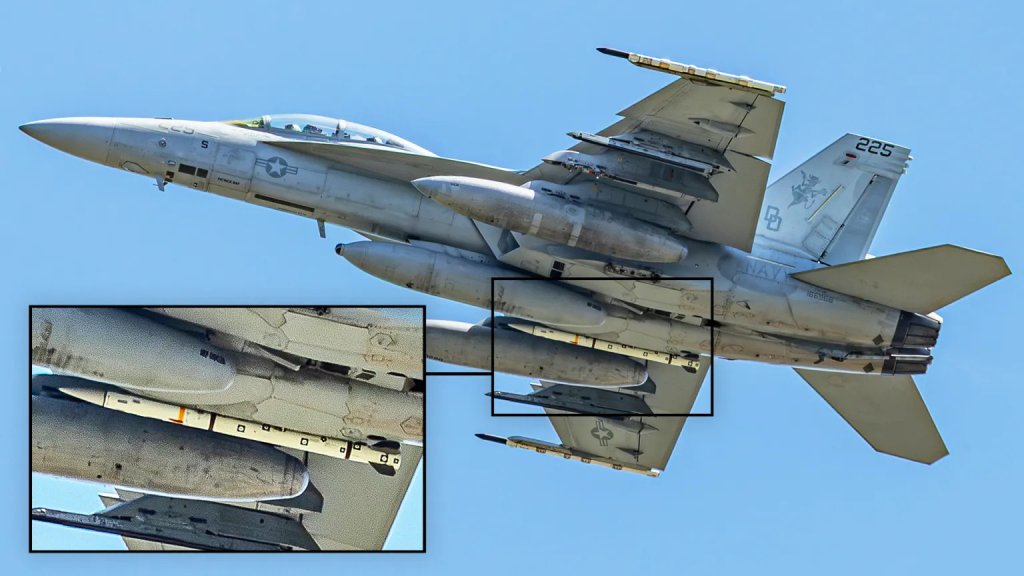
ఇది ఈ స్థాయి ambition గల programకు ప్రత్యేకంగా కీలకం. చాలా దూరంలో aircraft లేదా surface targetsను engage చేయడానికి రూపకల్పన చేసిన weapon, దాని development life అంతటా threat behavior నుంచి electronic warfare conditions వరకు మారే assumptionsను ఎదుర్కొనే అవకాశం ఉంది. ప్రారంభంలోనే modularityను నిర్మించడం వల్ల program సేవలోకి రాకముందే అత్యధికంగా rigidగా మారే ప్రమాదం తగ్గుతుంది.
వైమానిక దళం ఇప్పటికే air-to-air మరియు air-to-surface variants రెండింటిపైనా ఆసక్తి చూపుతోంది అనే విషయం ఆ తర్కాన్ని మరింత బలపరుస్తుంది. shared components లేదా adaptable architecture serviceకు అనేక mission sets across investmentను విస్తరించడానికి, కనీసం కొంత common development pathwayను కొనసాగించడానికి సహాయపడవచ్చు.
ఈ notice ఏమి చెబుతోంది, ఏమి చెప్పడం లేదు
పబ్లిక్ సమాచారం ఇంకా పరిమితంగానే ఉంది. propulsion, seeker type, speed, launch platforms, లేదా expected concept of employmentపై వైమానిక దళం సాంకేతిక వివరాలను విడుదల చేయలేదు. అలాగే contested environmentలో cost, survivability, target-update needs, command-and-control dependenciesలను ఎలా సమతుల్యం చేయాలనుకుంటోందో కూడా వివరించలేదు. రాబోయే event classified స్వభావాన్ని చూసినప్పుడు ఈ omissions ఆశ్చర్యకరమైనవి కావు.
అయినా, headline requirement ఒక్కటే కూడా ambition పరిమాణాన్ని చూపడానికి సరిపోతుంది. వైమానిక దళం స్పష్టంగా ప్రస్తుతం ఉన్న medium-range air combatను మించి, శత్రువు support structureలో లోతుగా చేరే engagements వైపు ఆలోచిస్తోంది. ఇది highly contested regionsపై దీర్ఘకాల ఆందోళనలకు అనుగుణంగా ఉంది; అక్కడ tanker tracks, surveillance aircraft, command nodes అన్నీ fight నుంచి మరింత దూరానికి నెట్టబడవచ్చు, లేదా చాలా పెద్ద standoff bubbles ద్వారా రక్షించబడకపోతే.
ఈ ప్రయత్నం ముందుకు సాగితే, AFLRW భవిష్యత్ air superiority fighter performanceపై మాత్రమే కాదు, ఎదుటి వైపు enabling aircraftలను అసాధారణ దూరం నుంచి ఎవరు ఎక్కువ సమర్థవంతంగా riskలో ఉంచగలరో దానిపైనా ఆధారపడి ఉంటుందనే ఇప్పటివరకు ఉన్న అత్యంత స్పష్టమైన సంకేతాలలో ఒకటిగా మారవచ్చు. ఈ ప్రకటనకు కేంద్రబిందువుగా missile ఉన్నప్పటికీ, మరింత ముఖ్యమైన సందేశం వ్యూహాత్మకమైనది: air battle ఎక్కడ ప్రారంభమవుతుందో, మరియు conflict ప్రారంభ దశలలో ఏ assets vulnerableగా పరిగణించబడతాయో విస్తరించాలనుకుంటోంది వైమానిక దళం.
ఈ వ్యాసం twz.com యొక్క రిపోర్టింగ్పై ఆధారపడింది. మూల వ్యాసాన్ని చదవండి.
Originally published on twz.com