చర్చను మార్చిన దాడి
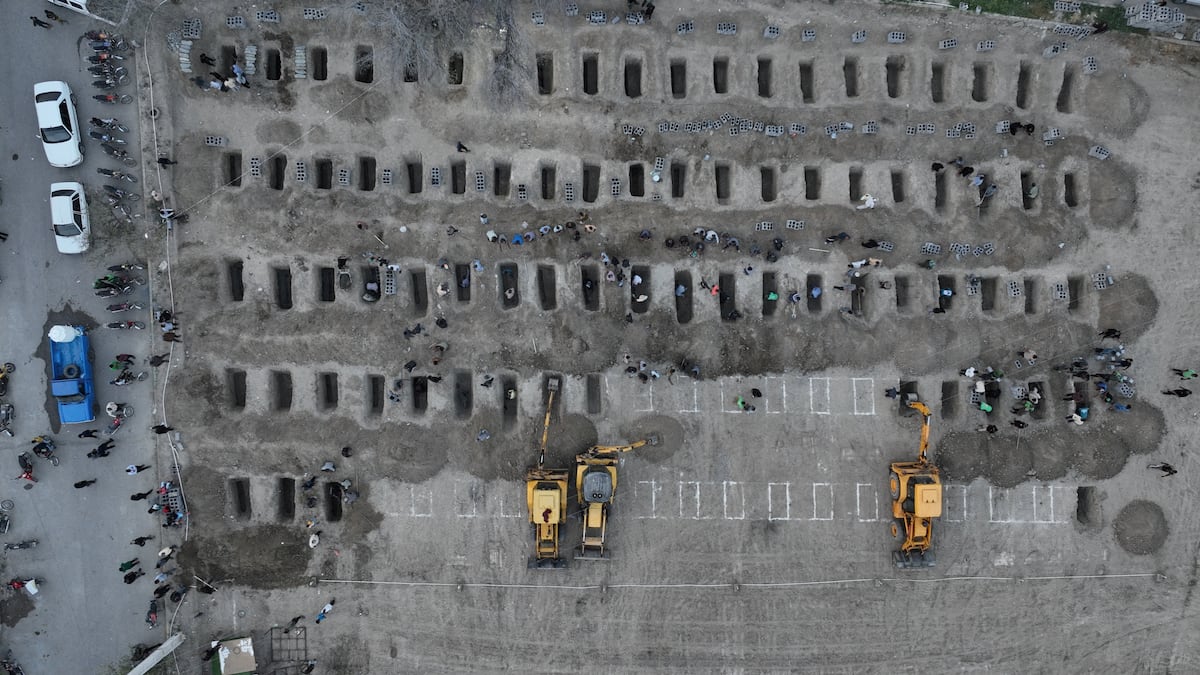
2026 ఫిబ్రవరి 28న, ఇరాన్పై అమెరికా సైనిక చర్యల మొదటి రోజున, ఒక టోమహాక్ క్రూయిజ్ క్షిపణి దక్షిణ ఇరాన్లోని హోర్మోజ్గాన్ ప్రావిన్స్లో మినాబ్లో ఉన్న షాజరె తయ్యెబెహ్ ప్రాథమిక పాఠశాలను ధ్వంసం చేసింది. ఈ దాడిలో 168 మంది మరణించారు, వారిలో 100 మందికి పైగా 12 ఏళ్ల లోపు పిల్లలు. ఆ పాఠశాల ఒక ఇస్లామిక్ రివల్యూషనరీ గార్డ్ కార్ప్స్ నౌకా స్థావరానికి 100 గజాల కంటే తక్కువ దూరంలో ఉంది — 2013 నుంచి 2016 మధ్య శాటిలైట్ చిత్రాల్లో నమోదైన ఒక గోడ దానిని వేరు చేసేది. ఆ గోడను, అలాగే దాని లోపల ఉన్న పాఠశాలను, లక్ష్యాన్ని రూపొందించిన ఇంటెలిజెన్స్ డేటాబేస్లో నవీకరించలేదు.
ఆ లక్ష్యాన్ని Maven Smart System రూపొందించింది, ఇది Palantir Technologies నిర్మించిన వేదిక; ఇది $1.3 బిలియన్ విలువైన పెంటగాన్ కాంట్రాక్ట్ కింద పనిచేస్తుంది. Maven శాటిలైట్ చిత్రాలు, డ్రోన్ ఫీడ్లు, రాడార్ రిటర్న్స్, సిగ్నల్స్ ఇంటెలిజెన్స్ను సమీకరించి, తర్వాత Anthropic యొక్క Claude మోడల్పై నిర్మించిన AI పొరతో లక్ష్యాలను ర్యాంక్ చేసి సిఫారసు చేస్తుంది. ఆపరేషన్ల ప్రారంభ 24 గంటల్లో ఈ సిస్టమ్ వందల కోఆర్డినేట్లను రూపొందించి, 1,000కి పైగా దాడులకు మద్దతు ఇచ్చింది. ఇది అమెరికా సైనిక చరిత్రలో AI-సహాయిత టార్గెటింగ్కు జరిగిన అతి పెద్ద కార్యాచరణ పరీక్ష. అదే మినాబ్పై దాడికి దారితీసింది.
ఏం తప్పు జరిగింది
గత వారం కాంగ్రెస్ పర్యవేక్షణ కమిటీలకు వివరించిన అధికారిక దర్యాప్తు, ఈ వైఫల్యం Maven యొక్క AI అల్గారిథమ్స్ లోపం కాదని, పాతబడ్డ ఇంటెలిజెన్స్ కారణమని తేల్చింది. Defense Intelligence Agency యొక్క టార్గెటింగ్ డేటాబేస్లో పాఠశాల నిర్మాణాన్ని ప్రతిబింబించేలా నవీకరణ జరగలేదు. Maven ఆ డేటాబేస్ను ప్రశ్నించినప్పుడు, మధ్యలో గడిచిన దశాబ్దంలో కొత్త నిర్మాణం వెలిసిందని సూచించే ఎలాంటి ఫ్లాగ్ లేకుండా సమీపంలోని IRGC స్థావరానికి చెందిన కోఆర్డినేట్లను తిరిగి ఇచ్చింది. క్షిపణి ఆ కోఆర్డినేట్లనే అనుసరించింది.
ఫలితాలను పరిశీలించిన మాజీ టార్గెటింగ్ అధికారులు, "మనుషులు — AI కాదు — తప్పుకు బాధ్యులు" అనే నిర్ణయం సాంకేతికంగా సరైనదే కానీ ఆపరేషనల్ వాస్తవాన్ని పట్టించుకోదని అంటున్నారు. Mavenకు ముందు, ఈ స్థాయి సున్నితత ఉన్న దాడికి సంబంధించిన టార్గెటింగ్ ప్రక్రియలో అనేక స్థాయిల మానవ సమీక్ష, collateral damage అంచనా, మరియు తాజా చిత్రాలతో క్రాస్-రెఫరెన్సింగ్ ఉండేది. Maven నిర్మాణం మొదటి ఆపరేషనల్ దినం యొక్క వాల్యూమ్ మరియు వేగ అవసరాలను తీర్చడానికి ఆ ప్రక్రియను కుదించింది. పాత వ్యవస్థలో గంటలపాటు మానవ పరిశీలన పొందే లక్ష్యం, Maven కింద నిమిషాల్లోనే పూర్తైంది.
Maven యొక్క ఖచ్చితత్వ రికార్డు
మినాబ్ దాడి, Pentagon సాధారణంగా ప్రజా పత్రాల్లో దాచిపెట్టే పనితీరు డేటాపై బహిరంగ సమీక్షను బలవంతం చేసింది. ఇరాన్ ప్రచారంలో Maven యొక్క మొత్తం టార్గెటింగ్ ఖచ్చితత్వం సుమారు 60 శాతంగా అంచనా వేశారు — అంటే సిస్టమ్ రూపొందించిన ప్రతి ఐదు లక్ష్యాల్లో దాదాపు రెండింటిలో, దాడి ఫలితాన్ని ప్రభావితం చేసేంత తీవ్రమైన తప్పులు ఉంటాయి, అందులో పౌర నిర్మాణాన్ని తప్పుగా గుర్తించడం కూడా ఉంది. పోల్చితే, అదే లక్ష్య సమితులతో పనిచేసే అనుభవజ్ఞులైన మానవ విశ్లేషకులు సమాన సమయ పరిమితుల్లో సుమారు 84 శాతం ఖచ్చితత్వాన్ని సాధిస్తారు.
ప్రతికూల పరిస్థితుల్లో — తక్కువ వెలుగు, దట్టమైన మేఘావరణం, క్రియాశీల ప్రతిఘటన చర్యలు — Maven యొక్క ఖచ్చితత్వం 30 శాతం కంటే దిగువకు పడిపోతుంది. లక్ష్య నిర్దేశ టెర్మినళ్లపై ఆపరేటర్లకు చూపించే సిస్టమ్ confidence స్కోర్లు దానికి అనుగుణంగా సర్దుబాటు కావు. 2021లో పాత తరహా టార్గెటింగ్ AIపై చేసిన Air Force అధ్యయనంలో, వ్యవస్థ తన అవుట్పుట్లలో 90 శాతం confidence రేటింగ్లు చూపించినప్పటికీ, ఫీల్డ్ మూల్యాంకనంలో కేవలం 25 శాతం మాత్రమే వాస్తవ ఖచ్చితత్వాన్ని సాధించినట్లు తేలింది. Maven ఆపరేటర్లు కూడా చూపించే confidence మరియు వాస్తవ నమ్మకత మధ్య ఇలాంటి తేడాలను నివేదించారు.
లేని సంస్థాగత మౌలిక వసతులు
AI తప్పులను పట్టుకోవడానికి రూపొందించిన మానవ పర్యవేక్షణ నిర్మాణాలు, ఆపరేషన్లు ప్రారంభమయ్యేలోపే ఎంతగా బలహీనపరచబడ్డాయో ఈ దాడి వెల్లడించింది. పెంటగాన్ Civilian Protection Center of Excellence, AI-సహాయిత ఆపరేషన్లలో పౌర మరణాలను తగ్గించేందుకు సిద్ధాంతం, విధానాలను సమీక్షించే బాధ్యత కలిగినది, ఇరాన్ ప్రచారం ప్రారంభానికి ముందు 18 నెలల్లో దాని బడ్జెట్ మరియు సిబ్బంది సుమారు 90 శాతం తగ్గించారు. CENTCOM యొక్క ప్రత్యేక civilian casualty assessment team — దాడి ఫలితాలను సమీక్షించి, దర్యాప్తు అవసరమైన నమూనాలను గుర్తించే యూనిట్ — 10 మంది నుండి ఒక్క అధికారికి కుదించబడింది.
ఈ కోతలు Mavenను పెద్ద స్థాయిలో అమలు చేయడాన్ని సమర్థతా లాభంగా చూసిన విస్తృత సంస్థాగత దృక్పథాన్ని ప్రతిబింబించాయి, దీని వల్ల సమాంతర మానవ సమీక్ష నిర్మాణాల అవసరం తగ్గుతుందని భావించారు. AI టార్గెటింగ్ ప్రక్రియను వేగవంతం చేసి, అదే సమయంలో మరింత ఖచ్చితంగా చేస్తుందని, అందువల్ల బాధ్యతాయుత ఆపరేషన్కు అవసరమైన మానవ పనిభారం తగ్గుతుందని, పెరగదని అంచనా వేసారు. మినాబ్ పరిణామం ఆ అంచనా తప్పని సూచిస్తోంది.
ఆదేశిత రోల్అవుట్ కొనసాగుతోంది
దర్యాప్తు ఫలితాలున్నప్పటికీ, Deputy Secretary of Defense Steve Feinberg Mavenను అధికారిక program of recordగా ఫార్మలైజ్ చేసే ప్రక్రియను ముందుకు తీసుకెళ్లారు, మరియు 2026 సెప్టెంబర్ నాటికి అన్ని సైనిక శాఖలు దాన్ని స్వీకరించాల్సిందేనని ఆదేశించారు. ఆ నిర్ణయంపై వివరాలు తెలిసిన అధికారుల ప్రకారం, కారణం ఇరాన్ ప్రచారంలోని మొత్తం టార్గెటింగ్ పనితీరు — మినాబ్ దాడిని కలుపుకొని — సిస్టమ్ లేకుండా సాధ్యమయ్యే దానికంటే ఇంకా మెరుగ్గా ఉందని భావించడం. ఆపరేషన్ మొదటి గంటల్లో Maven టార్గెటింగ్ను సాధ్యంచేసిన వేగం, ముప్పు వాతావరణాన్ని దృష్టిలో ఉంచుకుని వ్యూహాత్మక అవసరంగా పరిగణిస్తున్నారు.
పెంటగాన్ లోపల మరియు బయట ఉన్న విమర్శకులు, సెప్టెంబర్ ఆదేశం వల్ల మినాబ్ దర్యాప్తులో గుర్తించిన పర్యవేక్షణ మరియు డేటాబేస్ తాజాదనం సమస్యలు పరిష్కరించకముందే అమలు చేయాలనే ఒత్తిడి పెరుగుతుందని వాదిస్తున్నారు. యుద్ధ పరిస్థితుల్లో అర్ధ-స్వయంచాలక వ్యవస్థలతో పని చేసిన ఒక ఉక్రెయిన్ డ్రోన్ డెవలపర్, దాడి తర్వాత చేసిన ప్రజా ప్రకటనలో మినాబ్ "అర్ధ-స్వయంచాలక యుద్ధంలో ఒక పరిచిత ప్రమాదాన్ని బయటపెట్టింది: సిస్టమ్ స్పెక్ ప్రకారం పనిచేసింది, స్పెక్ తప్పు, పిల్లలు చనిపోయారు" అని చెప్పాడు.
సంస్కరణ ఎలా ఉండాలి
పెంటగాన్లో మరియు రక్షణ విధాన పరిశోధకుల మధ్య చర్చలో ఉన్న ప్రతిపాదనల్లో, AI-సృష్టిత టార్గెటింగ్లో ఉపయోగించే ఇంటెలిజెన్స్ డేటాబేస్ ఎంట్రీలకు తప్పనిసరి తాజాదనం అవసరాలు ఉన్నాయి — 30 రోజుల కంటే పాత ఎంట్రీ ఏదీ మానవ సమీక్ష లేకుండా స్వయంచాలక సిఫారసుకు అర్హత పొందదు. మరికొందరు, ప్రతికూల పరిస్థితుల్లో తెలిసిన పనితీరు క్షీణతను ప్రతిబింబించే accuracy-range అంచనాలతో Maven యొక్క confidence displayను భర్తీ చేయాలని ప్రతిపాదిస్తున్నారు, తద్వారా ఆపరేటర్లకు నమ్మకతపై మరింత నిజాయితీగల దృశ్యం లభిస్తుంది. ప్రచారం ముందు కోతకు గురైన civil protection మరియు casualty assessment మౌలిక వసతులను పునరుద్ధరించడం, వ్యవస్థను బాధ్యతాయుతంగా కొనసాగించడానికి ఒక ముందస్తు అర్హతగా విస్తృతంగా పేర్కొంటున్నారు.
అధికారుల ప్రకారం, సంస్కరణ అజెండాలో లేనిది, సమగ్ర సమీక్ష పూర్తయ్యే వరకు Mavenను నిలిపివేయడం. ఈ వ్యవస్థ ఇప్పుడు అనేక థియేటర్లలో ఆపరేషనల్ ప్లానింగ్లో భాగమైపోయింది, మరియు AI-సహాయిత టార్గెటింగ్ వెనుక ఉన్న సంస్థాగత వేగం గణనీయంగా ఉంది. చర్చ ఇక AI టార్గెటింగ్ నిర్ణయాలకు సహాయం చేయాలా వద్దా అన్నది కాదు, కానీ అలాంటి వ్యవస్థల వేగ ప్రయోజనాలు మానవ సమీక్ష అందించే ఆలోచనాత్మకతను అధిగమించకుండా ఉండేందుకు ముందే ఏ రక్షణ చర్యలు ఉండాలి అన్నదే.
ఈ వ్యాసం Defense News నివేదిక ఆధారంగా ఉంది. మూల వ్యాసాన్ని చదవండి.
Originally published on defensenews.com