Renewed Interest in C-17 Globemaster III Production
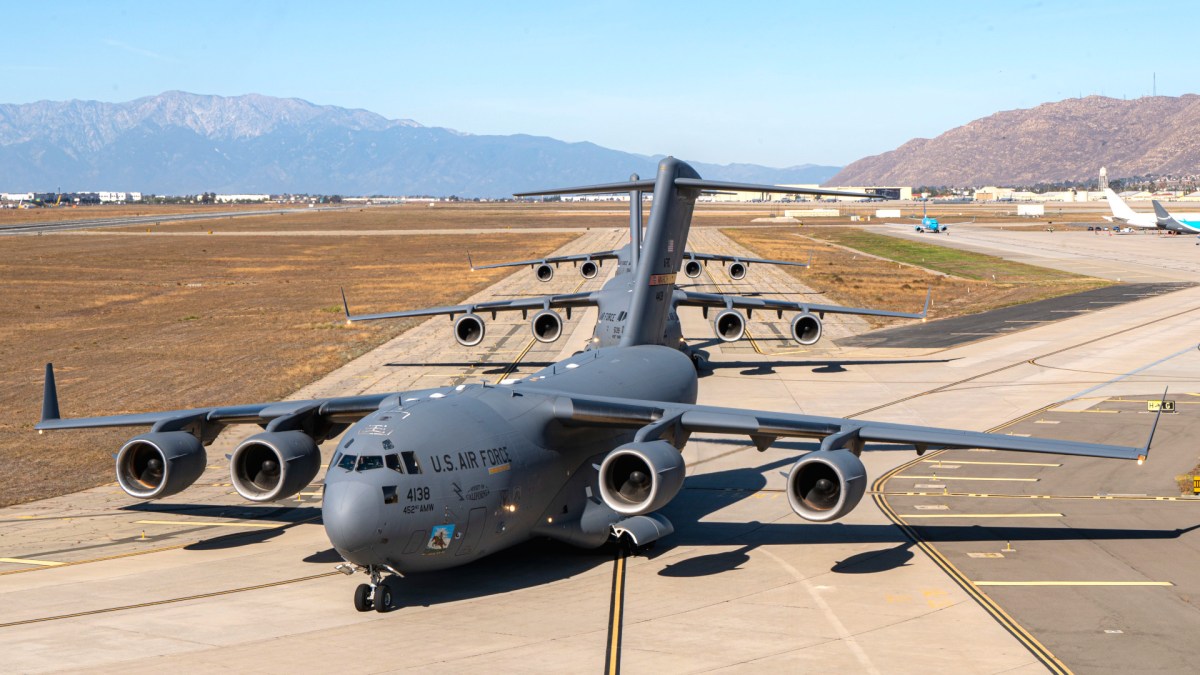
Boeing has expressed optimism following recent engagements with operators of the C-17 Globemaster III regarding the possibility of restarting the production line. The company stated it is “encouraged” by these discussions, which come amid growing concerns over the strain on the existing fleet and the long-term viability of sustaining the aircraft through 2075.
The C-17 remains a cornerstone of U.S. global airlift capability, and its importance has been underscored by a series of crises that have placed significant demands on the fleet. In parallel, the U.S. Congress has taken formal steps to explore the feasibility of acquiring new C-17s, directing the Air Force to prepare a detailed briefing on the matter.
Congressional Directive for Feasibility Study
The House Committee on Armed Services included a provision in the report accompanying the latest draft of the National Defense Authorization Act (NDAA) requiring the Air Force to brief the committee on the feasibility of restarting C-17 production. The briefing is due by March 1, 2027, and must include an assessment of the current state of the production line, tooling, supply chain, and workforce requirements.
The committee expressed concern that “the existing C-17 fleet continues to bear significant operational demands supporting combatant commander requirements, humanitarian assistance missions, and global mobility operations.” It added that future demands may place additional strain on the fleet, necessitating a thorough evaluation of production restart options.
Current Fleet Status and Operator Interest
The U.S. Air Force operates 222 C-17s, with the last aircraft delivered in 2013. Boeing officially closed the C-17 production line in 2015. Beyond the U.S., the C-17 is flown by Australia, Canada, India, Kuwait, Qatar, the United Arab Emirates, the United Kingdom, and a multinational consortium under the Strategic Airlift Capability (SAC) initiative, which includes several European nations and the United States.
Operators have reportedly reached out to Boeing to discuss the potential for new aircraft, indicating sustained international demand. The SAC program, which currently operates three C-17s, could be a key customer if production resumes.
Challenges and Considerations for Restarting Production
Restarting the C-17 line would involve significant challenges, including re-establishing the supply chain, tooling, and skilled workforce. Boeing would need to assess the availability of suppliers and the cost of re-ramping production. The Air Force briefing is expected to address these factors, as well as the potential impact on the existing fleet and modernization plans.
The C-17 fleet is currently slated to remain in service until 2075, but questions have been raised about the viability of this timeline given the increasing operational tempo and aging airframes. A production restart could provide a path to recapitalize the fleet with new aircraft, reducing maintenance burdens and enhancing readiness.
Strategic Implications for Global Airlift
The C-17 is critical for U.S. power projection, enabling rapid deployment of troops and equipment worldwide. Any decision to restart production would have far-reaching implications for military logistics and industrial base policy. Allies also rely on the C-17 for their own strategic airlift needs, and new production could strengthen interoperability and burden-sharing.
The congressional directive underscores the importance of maintaining a robust airlift capability. As the committee noted, the C-17 fleet has been heavily used in recent years for combat support, humanitarian aid, and disaster relief. The feasibility study will help determine whether new production is a viable option to meet future demands.
Next Steps
The Air Force is expected to begin work on the briefing immediately, with a deadline of March 1, 2027. Boeing and other stakeholders will likely provide input as the assessment progresses. The outcome could influence future defense budgets and procurement strategies, potentially leading to a formal program to acquire new C-17s.
For now, the discussions remain preliminary, but the level of interest from both Congress and international operators suggests that the C-17 production restart is being taken seriously. The coming months will be critical in determining whether this interest translates into a concrete plan.
This article is based on reporting by twz.com. Read the original article.
Originally published on twz.com